Turmeric and Prostate Cancer: How Curcumin Helps




Article Summary
- Numerous natural remedies have been suggested to help men maintain a healthy prostate, even as the age.
- Turmeric is one of these compounds that are not only suggested for supporting prostate health but have also been advised as a remedy to help aid in the management of an enlarged prostate.
- It may also play a role in reducing the risk of prostate cancer.
Prostate cancer ranks as the most frequently diagnosed cancer in American men, with an estimated 313,780 new cases expected in 2025 alone. Against that backdrop, scientists have been examining curcumin – the primary bioactive compound found in turmeric root – to see whether it might play a supportive role alongside standard care. The evidence so far looks encouraging, but it’s still early; that distinction matters when you’re weighing options about your own health.
What Is Curcumin and How Does It Relate to Prostate Cancer?
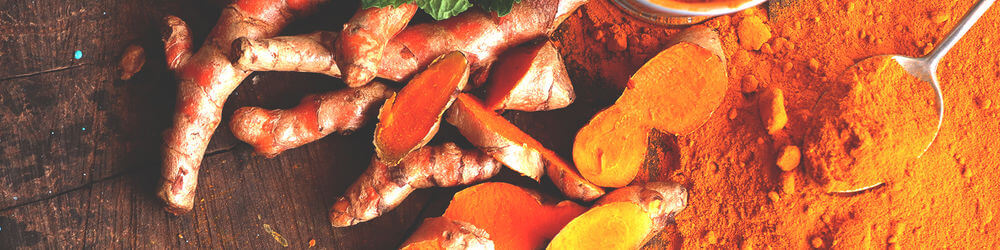
Curcumin is the active polyphenol responsible for turmeric’s deep yellow color. It makes up roughly 2% to 5% of turmeric’s dry weight, so eating turmeric in food delivers only trace amounts of the compound scientists actually study. Knowing what causes prostate cancer and how prostate cancer develops helps clarify why curcumin attracts so much scientific interest, the disease involves chronic inflammation, hormonal signaling, and unchecked cell growth, and these are pathways curcumin appears to influence in lab settings.
Understanding Curcumin as a Plant Compound
Curcumin belongs to a class of compounds called curcuminoids, extracted from the rhizome of Curcuma longa. It’s been used for centuries in Ayurvedic and traditional medicine, though the mechanisms behind its biological activity have only been mapped in recent decades. The U.S. FDA classifies curcumin’s oral form as Generally Recognized As Safe (GRAS).
Why Prostate Cancer Cells Interest Researchers
Prostate cancer cells are unusually dependent on androgen signaling, inflammatory pathways, and specific survival proteins. Curcumin appears to interfere with several of these mechanisms at once, a characteristic that makes it scientifically interesting, even if that multi-target activity hasn’t yet been proven beneficial in adequately powered human trials.
What the Research Actually Shows About Curcumin and Prostate Cancer
Research on curcumin and prostate cancer spans three tiers: in vitro (cell cultures), in vivo (animal models), and human clinical trials. These are not interchangeable, and it’s worth being honest about where most of the evidence sits.
Laboratory and Animal Studies
In vitro studies expose cancer cells in a dish to a compound and record what happens. They’re good for identifying mechanisms but can’t predict how that compound will behave after digestion, absorption, and metabolism inside a real body. Animal studies move a step closer to biological reality; a 2024 meta-analysis published in Frontiers in Pharmacology examined 17 studies across 263 mouse transplantation tumor models and found that curcumin produced a statistically large inhibitory effect on prostate tumor volume (standardized mean difference: 1.16, 95% CI: 0.52 to 1.80, p < 0.001). That’s a big effect size by preclinical standards, but mouse results don’t automatically carry over to humans.
A 2025 systematic review in ScienceDirect covering therapeutic pathways of curcumin in prostate cancer identified multi-pathway activity across 22 eligible studies. A 2024 study in Translational Andrology and Urology revealed a novel epigenetic mechanism: curcumin suppressing prostate cancer cells by inhibiting YTHDF2-mediated circ0030568 stability, extending its known biology into RNA methylation regulation.
Human Research and Current Evidence
Human trials remain the weak link. Most published studies involve small sample sizes, short durations, or lack proper controls. A meta-analysis from Novelty in Biomedicine confirmed antitumor signals but stressed that the number of adequately powered human trials – typically defined as needing several hundred participants and at least 12 to 24 months of follow-up – remains insufficient to draw clinical conclusions. Understanding your prostate cancer survival rates and prognosis, prostate cancer screening options, Gleason score, and genetic risk factors all provide more actionable near-term guidance than curcumin supplementation alone. Global prostate cancer trends show rising incidence, particularly of advanced-stage disease, which intensifies interest in adjunct strategies, but that urgency shouldn’t be confused with established efficacy.
How Curcumin May Work at the Cellular Level
Laboratory work has mapped several overlapping mechanisms. Using hedged language is important here: these are findings from cell and animal studies, not proven human outcomes.
Lab studies have shown curcumin can trigger G1/S phase cell cycle arrest, slowing cancer cell replication before division occurs. It raises pro-apoptotic proteins – Bax and active caspases among them – while suppressing the survival protein Bcl-2, nudging prostate cancer cells toward programmed cell death (apoptosis). The NF-κB pathway, which acts as a master regulator of inflammation and cell survival, is inhibited by curcumin across multiple studies; NF-κB overactivation is linked to aggressive prostate cancer behavior, and following an anti-inflammatory diet may similarly help suppress this pathway through dietary means.
Curcumin also appears to lower pro-inflammatory cytokines and may limit angiogenesis – the process by which tumors generate the new blood vessels they need to keep growing. Anti-metastatic effects turned up in 11 of 22 studies reviewed in recent literature, often through suppression of epithelial-mesenchymal transition (EMT) and reduced matrix metalloproteinase (MMP) expression. Understanding how gene mutations drive cancer cell behavior helps explain why curcumin’s multi-pathway action is theoretically attractive – hitting several pathways at once may lower the odds that cancer cells develop resistance to any single intervention.
Curcumin has also been studied for its antioxidant properties, which may help prevent oxidative DNA damage, an early step in cellular transformation. Its relationship with androgen-dependent prostate cancer cells is particularly active research territory, since androgen signaling is central to a 2025 meta-analysis confirming antitumor activity and randomized controlled trial data on curcumin’s broader cancer activity.
How Researchers Measure Curcumin’s Effects in the Laboratory
Being able to read a curcumin study critically is useful. So let’s cover the main metrics.
IC50 (half-maximal inhibitory concentration) is one of the most cited values in lab research. It describes the concentration of curcumin needed to inhibit 50% of a measured cell activity, typically expressed in micromolar (μM) units. Lower IC50 values suggest greater potency in that cell line. But IC50 figures from a lab dish say nothing about whether that concentration can realistically be reached in human prostate tissue after oral supplementation.
Apoptosis rates in cell-based assays are typically measured using flow cytometry, which tags cells by their DNA content or membrane changes to distinguish dying from living cells. In clinical research, inflammatory cytokines (such as TNF-α and IL-6) and oxidative stress markers (such as 8-OHdG) are used as circulating biomarkers to assess whether curcumin is producing measurable biological effects.
A 2024 meta-analysis of animal models (published on PubMed Central) applied standardized mean difference to measure tumor volume inhibition across studies. The 2025 BMC Cancer systematic review sorted pathway data from 22 eligible studies, while network pharmacology research published in Heliyon used molecular docking to map curcumin’s binding targets. Animal studies frequently rely on imaging methods like MRI and bioluminescence to track tumor volume and treatment response over time. Trends in global cancer incidence data also supply epidemiological context that shapes which endpoints researchers choose to prioritize.
Curcumin Absorption: Why It Matters for Effectiveness
Plain curcumin powder has poor oral bioavailability, estimated at well under 1% in some pharmacokinetic studies. It’s rapidly metabolized, poorly absorbed through the gut, and cleared quickly. This is the core problem: the concentrations shown to be active in cell studies are hard to reach in human tissues after standard oral dosing.
Several formulation technologies have been developed to tackle this. A 2025 systematic review on curcumin nanoformulations covered the main approaches: phospholipid complexes (binding curcumin to lecithin for better membrane permeability), PLGA nanoparticles (polymer-based delivery systems), liposomal curcumin (encapsulation in lipid vesicles), and piperine co-administration (the black pepper compound that can block curcumin’s hepatic clearance). Theracurmin®, a nano-colloidal formulation, has been reported to improve bioavailability over 40-fold compared to standard curcumin. A 2024 study in PubMed also found that curcumin enhanced the efficacy of CDK4/6 inhibitors in prostate cancer cell lines, though human replication is still pending.
Clinical research has tested dosages ranging from 500 mg to 8,000 mg per day of curcumin extract, varying by formulation type. Global prostate cancer prevalence data make clear why finding effective, accessible adjunct options matters, but commercial supplements differ widely in actual curcumin content and formulation quality. Any dosage figures you come across should inform a conversation with your doctor, they’re not a personal recommendation.
Safety, Side Effects, and Drug Interactions
Curcumin is generally well tolerated at supplemental doses. But it’s worth being specific about what clinical trials have actually reported, and where the data run thin.
Known Side Effects and Tolerability
At doses common in clinical research – 1,000 mg to 4,000 mg per day of standardized extract – the most frequently reported side effects are gastrointestinal: nausea, bloating, and loose stools. A 2024 study in the Journal of Biochemical and Molecular Toxicology examining curcumin’s effects on endoplasmic reticulum-associated degradation pathways noted dose-dependent cellular responses that varied by dose level. Above 8,000 mg daily, GI distress becomes more frequent and warrants monitoring. Managing prostate cancer treatment side effects is already a significant burden; supplements that worsen those effects aren’t helping. Long-term safety data beyond 24 months of continuous use remain thin. Regional prostate cancer incidence data confirm that more diverse populations are being affected, yet safety studies in those groups are still sparse.
Interactions With Medications and Supplements
Curcumin has anticoagulant properties and can amplify the effects of blood thinners like warfarin, aspirin, and clopidogrel. If you’re on anticoagulants, baseline coagulation parameters – INR, PT, aPTT – should be checked and tracked before you start curcumin. It may also interact with androgen deprivation therapy (ADT) agents, which are commonly used for advanced prostate cancer; pharmacokinetic interactions in that context aren’t fully understood, so caution is warranted. Curcumin can also affect how certain chemotherapy drugs are absorbed through CYP enzyme pathways.
Who Should Be Cautious
Men on blood thinners, those actively receiving prostate cancer treatment, anyone scheduled for surgery within two weeks, and people with a history of gallstones or bile duct obstruction should discuss curcumin use with their oncologist or urologist before starting. Natural does not mean risk-free.
Turmeric vs. Curcumin Supplements: What You Should Know
Cooking with turmeric is a pleasant habit, but it won’t deliver the curcumin concentrations used in research. A teaspoon of turmeric powder contains roughly 200 mg of total curcuminoids, and since bioavailability of standard curcumin is well under 1%, the amount reaching your bloodstream is negligible.
Standardized curcumin extracts, by contrast, are concentrated and formulated to improve absorption. But not all supplements are equivalent. Curcumin content varies across products, and the formulation type – liposomal, phospholipid complex, nano-colloidal – directly determines whether any studied dose is actually reached in tissues. Comparative efficacy data between formulation types are still emerging. Curcumin’s role alongside beta-sitosterol for prostate support and turmeric’s broader effects on prostate health are worth understanding as context, but the bottom line is this: ask your healthcare provider to review any product you’re considering rather than relying on label claims alone.
Curcumin as Part of Your Overall Prostate Health Approach
Curcumin is being studied as an adjunct to conventional prostate cancer care, not as a standalone treatment. It draws the most research interest in men with localized, hormone-sensitive disease and those approaching or already entering castration-resistant progression. But nobody has yet pinpointed specific PSA thresholds or biomarker patterns that might predict who responds best, and optimal dosing when curcumin is combined with conventional treatments is still under investigation.
Metabolic conditions that elevate systemic inflammation can compound cancer risk, and the connection between diabetes and cancer is one reason managing blood sugar is increasingly viewed as part of a comprehensive cancer-prevention strategy. Lifestyle factors also matter. Prostate cancer prevention strategies – including diet, exercise, and weight management – form the foundation of any prostate health plan. Prostate supplements that include multiple research-backed ingredients may offer complementary support. Immune health during cancer treatment and the mental health dimension of living with prostate cancer are just as important as any single compound.
When to See a Doctor About Prostate Health
See a doctor promptly if you notice urinary changes, trouble starting to urinate, a weak stream, blood in urine or semen, or pelvic discomfort. These symptoms aren’t always cancer, but they need evaluation. Men over 50, or over 40 with a family history of prostate cancer, should talk to their doctor about screening.
Talking to Your Healthcare Provider About Supplements
Be specific when you talk to your doctor: give the product name, the dose, and the formulation type. Ask directly about interactions with any medications you’ve been prescribed. Don’t start or stop any supplement without that conversation, especially during active cancer treatment.
Frequently Asked Questions
Can turmeric and prostate cancer research tell us whether curcumin prevents cancer?
No. Current evidence does not establish that curcumin prevents prostate cancer in humans. Laboratory and animal studies show mechanisms that are relevant to cancer biology, but human prevention trials don’t yet exist with sufficient scale or duration to make that claim.
Does testosterone influence how curcumin interacts with prostate cancer cells?
Curcumin has been studied for its effects on androgen receptor signaling in hormone-sensitive prostate cancer cells. Whether that translates meaningfully to men on testosterone therapy is unclear, and understanding testosterone’s relationship to prostate cancer risk is an important step before adding any supplement to your routine.
Can curcumin cause weight loss in men with prostate cancer?
Curcumin isn’t linked to the kind of involuntary weight loss that sometimes occurs with cancer. Cancer-related weight loss is driven by the disease and its treatment, not by supplements. Tell your doctor if you’re experiencing unintended weight loss.
Is it safe to take curcumin during active prostate cancer treatment?
Possibly, but not without supervision. Curcumin interacts with blood thinners and may affect drug metabolism pathways relevant to chemotherapy and hormone therapy. Your oncologist needs to know before you start.
What is Movember and how does it relate to prostate cancer awareness?
Movember is an annual campaign each November that raises funds and awareness for prostate cancer, testicular cancer, and men’s mental health, supporting research and early detection programs for men who might otherwise avoid medical care.
How long do curcumin studies typically last?
Most clinical trials to date have run 4 to 12 weeks, which is too short to assess long-term outcomes. Researchers generally consider trials shorter than 12 months and smaller than several hundred participants insufficient for reliable conclusions about cancer outcomes.
Conclusion
Turmeric and prostate cancer research has produced genuinely interesting laboratory and animal findings, but human evidence is still catching up. Curcumin modulates multiple pathways relevant to prostate cancer biology, absorbs poorly without proper formulation, and carries real drug interaction risks that require a conversation with your doctor. Its anti-inflammatory and antioxidant properties are part of what makes it a compelling subject for ongoing research, though translating those properties into reliable clinical outcomes remains the central challenge.
This article is for informational purposes only and does not serve as medical advice. The details provided here are not a replacement for, and should never be depended upon as, professional medical advice. Always consult your physician regarding the potential risks and benefits of any treatment.
Dr. Victoria Alex
MBChB, Medical Officer / General Practitioner
Dr. Victoria Alex, MBChB, is a medical officer at Edward Francis Small Teaching Hospital in The Gambia, specializing in preventive care, maternal health, and emergency medicine.
Our Medical Review Process
At Ben’s Natural Health, we are committed to maintaining the highest standards of accuracy, transparency, and scientific integrity. Every piece of content is carefully developed by medical professionals and undergoes a thorough review every 12 to 24 months. This ensures that our information remains current, reliable, and rooted in credible, evidence-based research. We reference only peer-reviewed studies from reputable medical journals, providing full citations and direct links to enhance trust and confidence. Learn more about our medical review process and research standards.
Our Editorial Guidelines
For over 25 years, Ben’s Natural Health has been a trusted source of scientifically backed, reliable health information. Our editorial guidelines uphold the highest quality and integrity for every article we publish. Each piece is written by qualified experts and undergoes independent quality checks. We prioritize transparency by clearly displaying contributor credentials and biographies at the beginning of every article. Read more about our editorial standards.
Medical Disclaimer
The content on this blog is for informational purposes only and should not be considered a substitute for professional medical advice, diagnosis, or treatment. While our articles are authored and reviewed by licensed medical professionals, they may not address your specific health concerns. Always consult a qualified healthcare provider before making any medical decisions.
Article Sources
- https://acsjournals.onlinelibrary.wiley.com/doi/full/10.3322/caac.70028
- https://www.sciencedirect.com/science/article/pii/S2287888225000911
- Xiaoxiao Sun, Xuan Huang, Li Liu, Weihong Shen, Feifei Zheng, Min Liu, et al. (2024). Anti-cancer role of curcumin in prostate cancer cells via regulation of m6A-modified circ0030568-FMR1 signaling pathway. Translational Andrology and Urology, 13(11), 2358375-2352375. https://doi.org/10.21037/tau-24-276
- https://www.europeanurology.com/article/S0302-2838%2824%2902707-6/fulltext
- Ahmadreza Shirdel, Farahnaz Zhian Zargaran, Mojtaba Meshkat, & Amir Amirabadi (2025). Clinical Antitumor effects of Curcumin in Prostate Cancer Environment: A Meta-Analysis. Novelty in Biomedicine, 13(4), 233-239. https://doi.org/10.22037/nbm.v13i4.46943
- de Waure C, Bertola C, Baccarini G, Chiavarini M, & Mancuso C (2023). Exploring the Contribution of Curcumin to Cancer Therapy: A Systematic Review of Randomized Controlled Trials. Pharmaceutics, 15(4). https://doi.org/10.3390/pharmaceutics15041275
- Wang S, Zhang F, & Chen J (2024). Application and potential value of curcumin in prostate cancer: a meta-analysis based on animal models. Frontiers in pharmacology, 15, 1379389. https://doi.org/10.3389/fphar.2024.1379389
- Esmaeli, Mojtaba, & Dehghanpour Dehabadi, Maryam (2025). Curcumin in prostate cancer: a systematic review of molecular mechanisms and nanoformulated therapeutic strategies. BMC Cancer, 25(1), 1609. https://doi.org/10.1186/s12885-025-15152-2
- https://www.cell.com/heliyon/fulltext/S2405-8440%2824%2909134-5
- https://www.sciencedirect.com/science/article/pii/S0302283824027076
- Esmaeli M, & Dehghanpour Dehabadi M (2025). Curcumin in prostate cancer: a systematic review of molecular mechanisms and nanoformulated therapeutic strategies. BMC cancer, 25(1), 1609. https://doi.org/10.1186/s12885-025-15152-2
- Huandong Zhao, Ruimin Ding, & Jiarui Han (2024). Curcumin Enhances the Anti-Cancer Efficacy of CDK4/6 Inhibitors in Prostate Cancer. Archivos espanoles de urologia, 77(1), 57-66. https://doi.org/10.56434/j.arch.esp.urol.20247701.8
- Zhao, Xiaohu, Liu, Shuchen, Zou, Zhihui, & Liang, Chaozhao (2025). Global, regional, and national prevalence of prostate cancer from 1990 to 2021: a trend and health inequality analyses. Frontiers in Public Health, 13, 1595159. https://doi.org/10.3389/fpubh.2025.1595159
- https://onlinelibrary.wiley.com/doi/10.1002/jbt.23636
- Gulnur Igissinova, Nurbek Igissin, Indira Kudaibergenova, Nariman Yermek, Zhansaya Telmanova, Dulat Turebayev, et al. (2025). Stage-specific and regional trends in prostate cancer incidence in Kazakhstan, 2005–2024. Frontiers in Oncology, 15, 1719720. https://doi.org/10.3389/fonc.2025.1719720
Article Update History
Reviewer:
Created on November 18, 2019
Explore More
Doctor Answers: What are the Best Natural Flomax Alternatives?
If you're looking for natural substitutes for Flomax (Tamsulosin) to manage benign prostatic hyperplasia (BPH) without major side effects, you've come to the right ...