15 Foods That Help Men Gain Muscle Mass




Article Summary
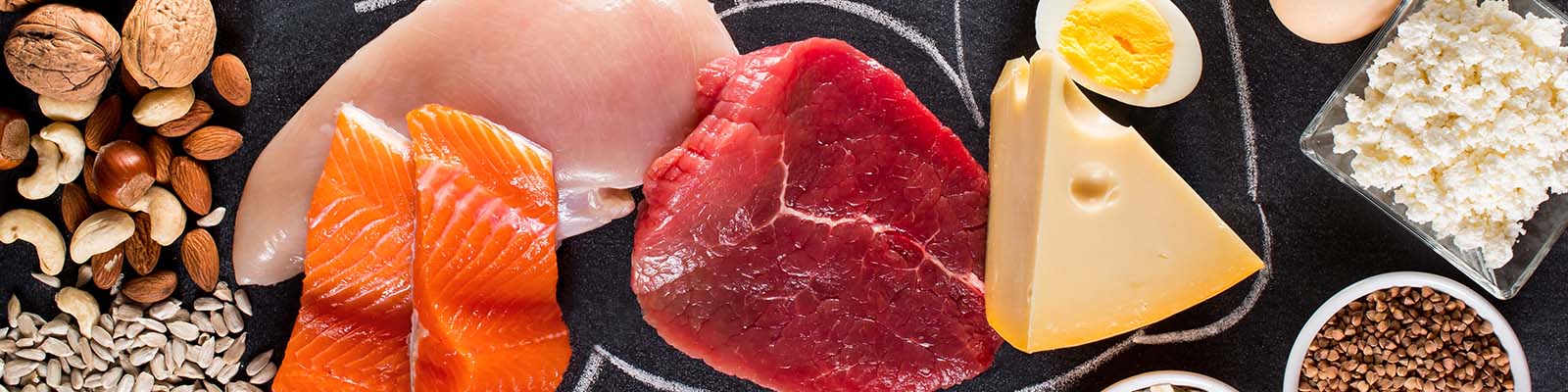
- The best foods to gain muscle mass are usually higher in protein content and essential amino acids.
- They should also have a variety of nutrients, including B vitamins, phosphorus, selenium, and more.
- Their calories are filled with nutrients, making them suitable muscle-building foods.
Bodybuilders are not the only ones who care about their muscle mass. It is also essential for your cardiovascular health and to preserve mobility in older adults.
Body composition is much more important than body weight. This parameter measures how much muscle mass you have in proportion to your body fat.
The goal would be to have more lean mass, which speeds up your metabolism, improves insulin sensitivity, and increases muscle strength.
Exercise is crucial to building lean muscle mass, but muscle protein synthesis requires the appropriate nutrition. Thus, in this article, we will list recommended foods that will help you gain muscle mass. Combining these nutrition tips with strength training will make the results noticeable faster.
15 Foods That Help You Gain Muscle Mass
You will notice in the list below that most healthy foods for muscle gain have high protein levels. Sometimes you may also need a calorie surplus to promote muscle growth, but that depends on each case.
1. Eggs
These tiny powerhouses contain an impressive protein count. They have close to 7 grams of protein and very high-quality amino acids. They also contain vitamin B12 and other B vitamins and nutrients that we need for muscle building.
Contrary to what people believe, egg yolks will hardly affect your cholesterol levels unless you already have a very severe metabolic problem (1).
2. Turkey and chicken
We recommend turkey and chicken first because they usually have less body fat. If you choose chicken and turkey breast, they will likely have no fat at all.
Just be sure to take out the skin and stay away from fried chicken and anything that includes oil in the preparation. It is an excellent muscle food with no carbohydrate content.
3. Tuna
Another excellent addition to your table is tuna, which contains omega 3 fatty acids and up to 7 grams of protein for each ounce. Tuna is easy to prepare and portable. It is a great snack to try with low-fat, low-sodium crackers.
Omega 3 fats reduce inflammation, but they are also helpful if you’re trying to build more muscle tissue (2).
4. Salmon
This is probably the best type of fish you can buy because it is rich in protein and other nutrients. It is a rich source of omega 3 fatty acids and was tested in older adults who try to maintain their muscle mass (3).
The downside is that salmon is usually more expensive than the average, but it is worth it if you can afford it.
5. Skimmed milk
If you’re not lactose intolerant, a smoothie with skimmed milk is a great way to start your day and finish your workouts. Another option would be Greek yogurt, which is healthier if it doesn’t have added sugars.
6. Protein powder drinks
Now that we mentioned smoothies, we must discuss protein powder drinks. These protein supplements come in different types, including soy protein, casein protein, and the famous whey protein.
Each has different uses. For example, casein protein is a potent anti-catabolic (it protects your muscle tissue from breaking down). Whey protein has more amino acids, especially leucine, which is essential for muscle building. Soy protein is an alternative if you develop allergies or intolerance to the other types.
7. Lean beef cuts
Meat is essential as a source of proteins. But be careful to look for lean beef cuts instead of those fatty portions with whites all over.
Lean meat does not have so much saturated fat. Instead, it is rich in protein (Around 6 grams per ounce) and contains iron, selenium, and other minerals. The only dietary recommendation is to eat no more than 400 grams of red meat per week (3).
8. Chickpeas
Some would prefer to avoid all types of meat and become vegetarian. In such cases, chickpeas stay on top among the best sources of vegetable protein.
One cup of chickpeas contains close to 15 grams of protein. It can be prepared as hummus or eaten in dahl. The protein found in this legume is high-quality and contains lysine and arginine. Both amino acids contribute significantly to muscle gains (4).
9. Quinoa
This cereal has been tagged as a superfood because it is rich in protein, fiber, antioxidants, and many vitamins and minerals. It doesn’t have gluten, so it is a suitable choice for celiac disease patients.
This unique nutritional profile will give your muscle tissue the building blocks required for growth.
10. Nuts and seeds
We can’t have enough peanuts, walnuts, pumpkin, and sunflower seeds. They are filled with fiber, healthy fats, and zinc.
These nutrients act as cofactors or intermediaries to increase protein synthesis in the muscle tissue. You can eat them as a snack or sprinkle them in your salad.
11. Beans and lentils
If you’re looking for protein alternatives in plants, you should also consider lentils and other types of beans.
In particular, lentils give you 9 grams of protein per cup, and their amino acids are appropriate for building muscle. Beans have less protein content but a higher level of soluble fiber, which reduces harmful cholesterol levels in your blood.
12. Soybeans
We already talked about beans, but soybeans deserve a special mention. They contain a whopping 14 grams of protein for each half a cup. Additionally, they have plenty of protein and minerals, including phosphorus and iron.
13. Cottage Cheese
If you like cheese, we recommend using cottage cheese because it has lower fat levels and a higher protein concentration. Among the amino acids in cottage cheese, we should highlight leucine, essential to building strength and muscle (5).
14. Brown rice
You also need a healthy source of carbohydrates after working out. Studies show that eating carbs protects the muscle from degrading, but you need to eat the right amount to prevent weight gain.
Brown rice is an excellent source because it also has fiber and complex carbohydrates. Rice protein ranges between 5 grams per cup, which also stimulates muscle growth (6).
15. Avocado
Besides carbohydrates and protein, we also need healthy fats in our diet. If you eat fatty fish, nuts, and seeds, you will have that covered. But avocados are a cheap and tasty alternative.
Conclusion
The best foods to gain muscle mass are usually higher in protein content and essential amino acids. They should also have a variety of nutrients, including B vitamins, phosphorus, selenium, and more. Their calories are filled with nutrients, making them suitable muscle-building foods.
This article is for informational purposes only and does not serve as medical advice. The details provided here are not a replacement for, and should never be depended upon as, professional medical advice. Always consult your physician regarding the potential risks and benefits of any treatment.
Dr. Hamad Shafqat
Medical Doctor & Senior Medical Writer
Dr. Hamad Shafqat is a dedicated physician with over 4 years of experience in clinical medicine, research, and healthcare writing.
Our Medical Review Process
At Ben’s Natural Health, we are committed to maintaining the highest standards of accuracy, transparency, and scientific integrity. Every piece of content is carefully developed by medical professionals and undergoes a thorough review every 12 to 24 months. This ensures that our information remains current, reliable, and rooted in credible, evidence-based research. We reference only peer-reviewed studies from reputable medical journals, providing full citations and direct links to enhance trust and confidence. Learn more about our medical review process and research standards.
Our Editorial Guidelines
For over 25 years, Ben’s Natural Health has been a trusted source of scientifically backed, reliable health information. Our editorial guidelines uphold the highest quality and integrity for every article we publish. Each piece is written by qualified experts and undergoes independent quality checks. We prioritize transparency by clearly displaying contributor credentials and biographies at the beginning of every article. Read more about our editorial standards.
Medical Disclaimer
The content on this blog is for informational purposes only and should not be considered a substitute for professional medical advice, diagnosis, or treatment. While our articles are authored and reviewed by licensed medical professionals, they may not address your specific health concerns. Always consult a qualified healthcare provider before making any medical decisions.
Article Sources
- Gray, J., & Griffin, B. (2009). Eggs and dietary cholesterol–dispelling the myth. https://onlinelibrary.wiley.com/doi/abs/10.1111/j.1467-3010.2008.01735.x
- McGlory, C., Calder, P. C., & Nunes, E. A. (2020). The Influence of Omega-3 Fatty Acids on Skeletal Muscle Protein Turnover in Health, Disuse, and. Nutritional Strategies to Promote Muscle Mass and Function Across Health Span. https://www.ncbi.nlm.nih.gov/pmc/articles/PMC6742725/
- Williamson, C. S., Foster, R. K., Stanner, S. A., & Buttriss, J. L. (2005). Red meat in the diet. Nutrition Bulletin, 30(4), 323-355. https://onlinelibrary.wiley.com/doi/full/10.1111/j.1467-3010.2005.00525.x
- Fuller Jr, J. C., Baier, S., Flakoll, P., Nissen, S. L., Abumrad, N. N., & Rathmacher, J. A. (2011). Vitamin D status affects strength gains in older adults supplemented with a combination of β‐hydroxy‐β‐methylbutyrate, arginine, and lysine: a cohort study. Journal of Parenteral and Enteral Nutrition, 35(6), 757-762. https://pubmed.ncbi.nlm.nih.gov/21807930/
- Rodionova, N. S., Korystin, M. I., Rodionov, A. A., & Pastukhova, N. А. (2017). Amino acid composition of cottage cheese and whey with bifidobacteria. Proceedings of the Voronezh State University of Engineering Technologies, 79(1), 193-199. https://www.researchgate.net/publication/318247506_Amino_acid_composition_of_cottage_cheese_and_whey_with_bifidobacteria
- Kerksick, C. M., Arent, S., Schoenfeld, B. J., Stout, J. R., Campbell, B., Wilborn, C. D., … & Antonio, J. (2017). International society of sports nutrition position stand: nutrient timing. Journal of the International Society of Sports Nutrition, 14(1), 1-21. https://pubmed.ncbi.nlm.nih.gov/28919842/
Article Update History
Reviewer:
Created on December 24, 2021
Explore More
5 Benefits of Almonds Sexually: Sex Drive, Stamina, ED, Mood
Besides being a delicious crunchy snack, almonds offer countless health benefits. They are known to help reduce inflammation, promote good skin, and support gut ...