Polycystic Ovary Syndrome (PCOS)
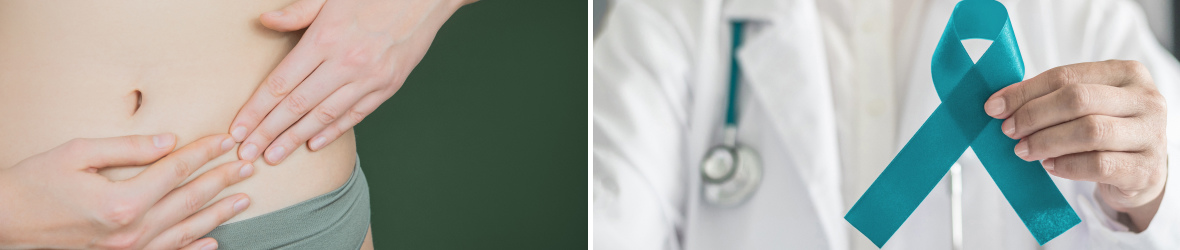


PCOS may sound like a rare condition.
But we are here to tell you that that is not the case. In fact, PCOS is incredibly common.
That being said, there is still a lot we don’t know about PCOS.
More and more research is being done on this important condition, and rightfully so.
It can greatly impact your physical and mental health and, therefore, your quality of life.
Read on to learn more about PCOS.
What is PCOS?
PCOS stands for polycystic ovary syndrome. It is a common infertility disorder. In fact, it is the most common hormonal disorder affecting women of reproductive age (12).
The prevalence is between eight and 13 percent. PCOS is multifactorial and complex. It is the leading cause of menstrual complications in women (2).
What are the types of PCOS?
There are four main types of PCOS. However, it is possible to have more than one type. The four types of PCOS are as follows:
- Insulin resistant PCOS
- Post pill PCOS
- Inflammatory PCOS
- Adrenal PCOS
Insulin resistant PCOS
Insulin-resistant PCOS is the most common type. After we eat, the pancreas releases insulin. This tells the body’s tissues to take sugar out of the blood.
But if you have insulin resistance, then your body doesn’t respond effectively to the release of insulin. This means your body needs to produce more insulin to effectively reduce blood sugar levels.
High insulin levels can prevent ovulation, cause the ovaries to produce more testosterone, and increase luteinizing hormone.
For someone to have insulin-resistant PCOS, they need to meet the criteria for PCOS and have insulin resistance. So how do you know if you have insulin resistance? Symptoms include difficulty maintaining a healthy weight, high blood sugar, and/or high fasting insulin.
Do not ignore high insulin levels! These can impair your cycle and increase the risk of heart disease, osteoporosis, and diabetes. Insulin resistance responds well to lifestyle changes like improving the diet and exercising.
Related Read: Does ozempic affect menstrual cycle?
Post pill PCOS
Post pill PCOS occurs after you stop taking the birth control pill. Compare your period to before and after you were on the pill.
Was it irregular before you started the pill? If so, then it is likely that you had PCOS the whole time, but the pill covered up your symptoms. If you had a healthy period before taking the pill, then this could be post-pill PCOS.
After stopping the pill, post-pill PCOS can get better on its own. However, it’s important to note that the birth control pill can cause or worsen insulin resistance.
If you have insulin resistance, then you’ll want to look at the section above about insulin-resistant PCOS. If you have no symptoms of insulin resistance, then you can support a regular cycle through diet, herbs, and acupuncture.
Inflammatory PCOS
Inflammatory PCOS occurs when you have past exposure to environmental toxins and a lot of inflammation in the body. If you don’t have insulin resistance and the birth control pill has not impacted your periods, then you may have inflammatory PCOS.
Symptoms of inflammation include the following:
- Joint pain
- Fatigue
- Headaches
- Eczema
- Psoriasis
- Irritable bowel syndrome
Your health care provider will address inflammatory PCOS using tools to manage inflammation.
Adrenal PCOS
If you don’t fit the criteria of any of the types of PCOS we mentioned above, then you may have adrenal PCOS. This type of PCOS is most common in people under a lot of stress for extended periods.
When we are stressed, our adrenal glands release cortisol, which is the stress hormone. When cortisol rises, so too does DHEAS.
DHEAS is an androgen, so it can cause some excess androgen symptoms we see in PCOS. If the only androgen elevated is DHEAS, then you may have adrenal PCOS.
Symptoms of adrenal PCOS include the following:
- Waking between 2:00 and 4:00 in the morning
- Constant bloating
- Brittle nails
- Brittle hair
- Low energy
Since adrenal PCOS is demonstrative of an abnormal stress response, treatment is mostly focused on stress management and reduction.
What are the symptoms of PCOS?
The symptoms of PCOS include the following (14):
- Hyperandrogenism
- Oligo-ovulation
- Anovulation
- Polycystic ovaries
- Hirsutism
- Acne
- Oligomenorrhea
- Amenorrhea
- Mood disorders
How PCOS affects your body
Along with the development of PCOS often comes insulin resistance (15). Insulin resistance leads to several cardiometabolic abnormalities, including the following:
- Dyslipidemia
- Hypertension
- Glucose intolerance
- Diabetes
- Metabolic syndrome
Studies show that cardiovascular disease markers are more likely to be increased in women with PCOS, such as the following:
- Coronary artery calcium scores
- C reactive protein
- Carotid intima-media thickness
- Endothelial dysfunction
What causes PCOS?
Between 20 and 30 percent of women with PCOS demonstrate excess adrenal precursor androgen production (APA) (7).
The role of APA excess in causing PCOS is unclear. However, observations in patients with inherited APA excess show that APA excess can result in a PCOS-like phenotype.
Factors such as obesity, insulin levels, glucose levels, and ovarian secretions play a role in the elevated APA we see in PCOS.
Risk factors
Several risk factors play into PCOS (1). These include ethnicity, environmental, and genetic factors.
Evidence shows that hormonal dysregulation of the maternal uterine environment can contribute to the development of PCOS (17).
Relatives of women with PCOS are at a higher risk of developing PCOS-associated reproductive and metabolic disorders.
There is evidence to show that PCOS is a complex multigenic disorder (4). It has strong epigenetic and environmental influences. These include diet and lifestyle factors.
When to see a doctor
It may be time to see a doctor if you have missed periods but are not pregnant. If you have symptoms of PCOS, such as hair growth on your face and body, you may also want to reach out to a doctor.
If you have been struggling with infertility (trying to get pregnant for more than one year but have been unsuccessful), then it may be time to call your doctor too.
Also, be sure to speak to a doctor if you have symptoms of diabetes. These include excess thirst, hunger, blurred vision, and unexplained weight loss.

How is PCOS diagnosed?
PCOS is difficult to diagnose because its symptoms overlap with other conditions. Since the symptoms of the healthy puberty process can be similar to PCOS, you should not be diagnosed with PCOS until at least two years after menarche (first period) (18).
Diagnosis of PCOS requires two of the following criteria to be met:
- Irregular menstrual cycles and/or irregular ovulation (or no ovulation)
- Cysts on ovaries (as seen upon ultrasound on day 3 of your cycle)
- High testosterone (as seen on blood work or with symptoms like acne, facial hair growth, hair loss or thinning from the scalp, etc.)
Treatment for PCOS
Current treatments for PCOS are not ideal (17). This is because they only help with symptom management. What we really need are preventative treatments.
Metformin
Metformin is a biguanide drug often used as a first-line drug for type 2 diabetes. This medication may help to increase the ovulation rate in patients with PCOS.

Oral contraceptive pill
Combined oral contraceptive pills are often the first-line medical treatment for long-term management of PCOS. They are combined because they have low doses of both estrogen and progestin.
They help to restore menstrual cycles and improve hyperandrogenism. Additionally, they can also have other benefits, like reducing the risk of developing endometrial cancer.
Complications
PCOS is correlated with abdominal adiposity, insulin resistance, obesity, metabolic disorders, and cardiovascular risk factors. PCOS poses a significant risk for the development of cardiovascular and metabolic complications (13). These include diabetes and metabolic syndrome. PCOS also increases the risk of gynecological cancers, particularly endometrial cancer.
PCOS is the main cause of anovulatory infertility in women. But once someone with PCOS becomes pregnant, the problems don’t disappear. Pregnant people with PCOS have a significantly higher risk of pregnancy-related complications (11).
These include the following:
- Gestational diabetes
- Delivery by C section
- Hypertensive disorders
- Premature delivery
Their offspring may also have an increased risk of congenital abnormalities and hospitalizations in their childhood.

Can PCOS go away?
Unfortunately, there is no cure for PCOS. However, if you have PCOS and are overweight or obese, losing weight could help balance your hormones.
Aside from this, most PCOS treatment is aimed at managing symptoms.
Some treatment options can help prevent any potential problems. For example, lifestyle changes improve the way your body uses insulin. This can help to regulate your hormone levels better.
Can you get pregnant with PCOS?
Yes, it’s possible to get pregnant with PCOS! However, it may be more difficult. This is because PCOS interrupts the regular menstrual cycle, making it harder to get pregnant.
Losing weight and balancing your blood sugar levels can improve your chances of becoming pregnant. Fertility treatments can also help improve ovulation, which can help you get pregnant with PCOS.
Once pregnant, do keep in mind that PCOS can also increase the amount of complications in pregnancy.

How to improve your PCOS symptoms naturally
Supplements
Many studies show that herbal supplements can help to improve various aspects of PCOS (10). These herbs include Cinnamomum verum, Trigonella foenum-graecum L., and Vitex agnus-castus.
These supplements can help with the following parameters:
- Irregular menstruation
- Ovulatory dysfunction
- Insulin resistance
- Obesity
- Lipid metabolism dysfunction
- Androgen excess-related conditions
Supplementing with the following substances can also be helpful (9):
- Resveratrol
- Flavonoids
- Vitamin C
- Flavones
- Vitamin E
- Vitamin D
- Omega 3 fatty acids
These supplements can help with the following pathological features of PCOS:
- Presence of immature oocytes
- Insulin resistance
- Hyperandrogenism
- Oxidative stress
- Inflammation

Diet
In people with PCOS, weight loss can improve ovulation, reduce testosterone levels, and improve insulin resistance. A diet lower in carbs than the standard American diet may be a better help in terms of fertility, metabolic parameters, weight loss, and satiety in people with PCOS. However, research shows that the actual composition of the diet is not as important as caloric restriction (6).
Caloric restriction and weight loss in PCOS can help with the following:
- Ovulation rates
- Conception
- Hyperandrogenemia
- Glucose levels
- Insulin levels
- Insulin resistance
- Satiety hormones
Do keep in mind, though, that a low-carb diet has additional effects in terms of weight loss on top of caloric restriction.
The best approaches to nutrition can actually improve hormonal features, reproductive function, and cardiometabolic risk, even without significant weight loss. Recent studies show that fat should be restricted to less than or equal to 30 percent of total calories (5). The proportion of saturated fat should also be kept low.
Keep in mind that a high intake of low glycemic index carbs can contribute to dyslipidemia, weight gain, hunger, and carb cravings.
Overall, you should spread your caloric intake among several meals throughout the day. Intake from snacks and drinks should be kept low. Most importantly, you should always tailor your diet to meet your unique needs and preferences.
Exercise
Several studies have looked at the effect that exercise has on overweight and obese people with PCOS (8). These studies have shown that exercise can lead to the resumption of ovulation! Notably, this can happen either with or without dietary changes.
Exercise increases the activity of the hypothalamic pituitary adrenal axis. This then modulates the hypothalamic pituitary gonadal axis. In overweight and obese people with PCOS, exercise contributes to lower insulin and free androgen levels. This then leads to the restoration of the hypothalamic pituitary adrenal regulation of ovulation.
Another study looked at the impact of exercise on reproductive function (19). The results showed that menstrual and ovulation frequency improved after exercise. Exercise can help to restore reproductive function in this way by enhancing insulin sensitivity.
Since exercise improves insulin sensitivity and decreases hyperinsulinemia, this is how it improves many of the cardiovascular risk factors that we see in PCOS.
Exercise can also help to improve the psychological well-being of patients with PCOS. PCOS guidelines recommend a minimum of 150 minutes of exercise per week for people with this condition. Exercise should form the basis of any healthcare professional prescription for PCOS.

Vitamins
Inositol is a B vitamin-like substance that can be helpful in the treatment of PCOS. There are two different forms of inositol: myo inositol and D chiro inositol.
Clinical evidence shows us that a 40:1 ratio of myo inositol and D chiro inositol is the optimal combination to restore ovulation in women with PCOS.
Conclusion
Our hope is that you now have a better understanding of how common PCOS really is. You likely now have a better idea of what the different types of PCOS are, and the symptoms of PCOS too.
We also discussed how PCOS affects your body and some potential causes. You may also now be more aware of the risk factors of PCOS and when it’s time to seek the care of a doctor.
We also went over treatment for PCOS, and what supplements, dietary changes, vitamins, and lifestyle changes can help with PCOS.
If you suspect you may have PCOS, be sure to reach out to your health care provider so that you can get a proper diagnosis. From there, you can seek out appropriate treatment.
This article is for informational purposes only and does not serve as medical advice. The details provided here are not a replacement for, and should never be depended upon as, professional medical advice. Always consult your physician regarding the potential risks and benefits of any treatment.
Our Medical Review Process
At Ben’s Natural Health, we are committed to maintaining the highest standards of accuracy, transparency, and scientific integrity. Every piece of content is carefully developed by medical professionals and undergoes a thorough review every 12 to 24 months. This ensures that our information remains current, reliable, and rooted in credible, evidence-based research. We reference only peer-reviewed studies from reputable medical journals, providing full citations and direct links to enhance trust and confidence. Learn more about our medical review process and research standards.
Our Editorial Guidelines
For over 25 years, Ben’s Natural Health has been a trusted source of scientifically backed, reliable health information. Our editorial guidelines uphold the highest quality and integrity for every article we publish. Each piece is written by qualified experts and undergoes independent quality checks. We prioritize transparency by clearly displaying contributor credentials and biographies at the beginning of every article. Read more about our editorial standards.
Medical Disclaimer
The content on this blog is for informational purposes only and should not be considered a substitute for professional medical advice, diagnosis, or treatment. While our articles are authored and reviewed by licensed medical professionals, they may not address your specific health concerns. Always consult a qualified healthcare provider before making any medical decisions.
Article Sources
- Ali, AT. (2015). Polycystic ovary syndrome and metabolic syndrome. Ceska Gynekol. 80 (4), 279-89. https://pubmed.ncbi.nlm.nih.gov/26265416/
- Bednarska, S & Siejka, A. (2017). The pathogenesis and treatment of polycystic ovary syndrome: What’s new?. Adv Clin Exp Med. 26 (2), 359-67. https://pubmed.ncbi.nlm.nih.gov/28791858/
- Cwynar-Zajac, L. (2021). Metformin – a new approach. Pediatr Endocrinol Diabetes Metab. 27 (2), 134-40. https://pubmed.ncbi.nlm.nih.gov/34514769/
- Escobar-Morreale, HF. (2018). Polycystic ovary syndrome: definition, aetiology, diagnosis and treatment. Nat Rev Endocrinol. 14 (5), 270-84. https://pubmed.ncbi.nlm.nih.gov/29569621/
- Farshchi, H; Rane, A; Love, A & Kennedy, RL. (2007). Diet and nutrition in polycystic ovary syndrome (PCOS): pointers for nutritional management. J Obstet Gynaecol. 27 (8), 762-3. https://pubmed.ncbi.nlm.nih.gov/18097891/
- Frary, JM; Bjerre, KP; Glintborg, D & Ravn, P. (2016). The effect of dietary carbohydrates in women with polycystic ovary syndrome: a systematic review. Minerva Endocrinol. 41 (1), 57-69. https://pubmed.ncbi.nlm.nih.gov/24914605/
- Goodarzi, MO; Carmina, E & Azziz, R. (2014). DHEA, DHEAS and PCOS. J Steroid Biochem Mol Biol. 1 (145), 213-25. https://pubmed.ncbi.nlm.nih.gov/25008465/
- Hakimi, O & Cameron, L. (2017). Effect of exercise on ovulation: A systematic review. Sports Med. 47 (8), 1555-67. https://pubmed.ncbi.nlm.nih.gov/28035585/
- Iervolino, M; Lepore, E; Forte, G; Lagana, AS; Buzzaccarini, G & Unfer, V. (2021). Natural molecules in the management of polycystic ovary syndrome (PCOS): An analytical review. Nutrients. 13 (5), 1677. https://pubmed.ncbi.nlm.nih.gov/34063339/
- Jazani, AM; Azgomi, HN; Azgomi, AN & Azgomi, RN. (2019). A comprehensive review of clinical studies with herbal medicine on polycystic ovary syndrome (PCOS). Daru. 27 (2), 863-77. https://pubmed.ncbi.nlm.nih.gov/31741280/
- Joham, AE; Palomba, S & Hart, R. (2016). Polycystic ovary syndrome, obesity and pregnancy. Semin Reprod Med. 34 (2), 93-101. https://pubmed.ncbi.nlm.nih.gov/26854709/
- Khan, MJ; Ullah, A & Basit, S. (2019). Genetic basis of polycystic ovary syndrome (PCOS): Current perspectives. Appl Clin Genet. 24 (12), 249-60. https://pubmed.ncbi.nlm.nih.gov/31920361/
- Meier, RK. (2018). Polycystic ovary syndrome. Nurs Clin North Am. 53 (3), 407-20. https://pubmed.ncbi.nlm.nih.gov/30100006/
- Oguz, SH & Yildiz, BO. (2021). An update on contraception in Polycystic Ovary Syndrome. Endocrinol Metab (Seoul). 36 (2), 296-311. https://pubmed.ncbi.nlm.nih.gov/33853290/
- Osibogun, O; Ogunmoroti, O & Michos, ED. (2020). Polycystic ovary syndrome and cardiometabolic risk: Opportunities for cardiovascular disease prevention. Trends Cardiovasc Med. 30 (7), 399-404. https://pubmed.ncbi.nlm.nih.gov/31519403/
- Roseff, S & Montenegro, M. (2020). Inositol treatment for PCOS should be science-based and not arbitrary. Int J Endocrinol. 1 (27), 6461254. https://pubmed.ncbi.nlm.nih.gov/32308679/
- Stener-Victorin, E & Deng, Q. (2021). Epigenetic inheritance of polycystic ovary syndrome – challenges and opportunities for treatment. Nat Rev Endocrinol. 17 (9), 521-33. https://pubmed.ncbi.nlm.nih.gov/34234312/
- Witchel, SF; Burghard, AC; Tao, RH & Oberfield, SE. (2019). The diagnosis and treatment of PCOS in adolescents: an update. Curr Opin Pediatr. 31 (4), 562-9. https://pubmed.ncbi.nlm.nih.gov/31299022/
- Woodward, A; Klonizakis, M & Broom, D. (2020). Exercise and Polycystic Ovary Syndrome. Adv Exp Med Biol. 1 (1228), 123-36. https://pubmed.ncbi.nlm.nih.gov/32342454/
Article Update History
Created on July 14, 2022
Explore More
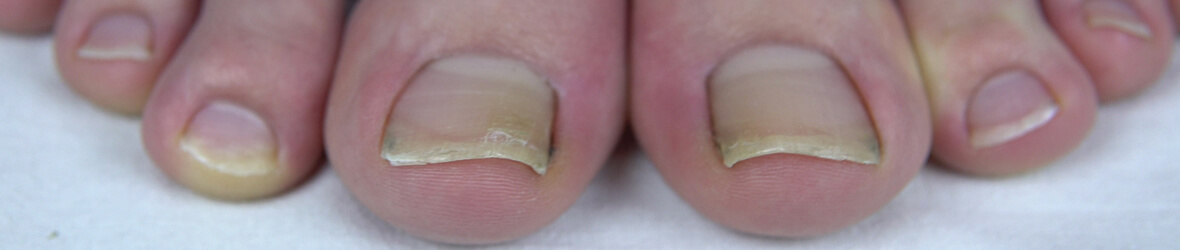
Is Diabetes Causing Your Yellow Toenails and Foot Fungus?
If you want to know why your toenails are yellow, we discuss possible causes in this article. Yellow toenails can be associated with diabetes ...