Carpal Tunnel Syndrome: 6 Foods To Avoid and What To Eat




Carpal tunnel syndrome is a condition that affects 3-6% of the population.
Carpal tunnel syndrome (CTS) is a condition that causes people to experience numbness, tingling, and weakness in the hands and arms.
It happens when a nerve in the hand becomes compressed or squeezed at the wrist.
This is often caused by repetitive hand and wrist movements, such as typing.
However, it can also be associated with other chronic conditions, such as diabetes, thyroid disorders, and rheumatoid arthritis.
For those navigating through the discomfort of this condition, the idea that something as fundamental as their diet could play a role in their overall wellness may sound shocking.
Some research suggests that dietary choices may influence carpal tunnel syndrome symptoms, but further studies are needed to confirm this.
In this article, we will examine the foods you should eat to help reduce symptoms and foods to avoid that may make your carpal tunnel syndrome worse.
Consider Limiting These 6 Foods With Carpal Tunnel Syndrome
Certain foods can increase inflammation in the body, potentially leading to more pain and increased symptoms of carpal tunnel syndrome. Here are some foods to avoid with carpal tunnel.
1) High-Sodium Foods
Sodium can cause the body to retain water, which can lead to increased swelling and pressure within the carpal tunnel.
To avoid this, reduce your consumption of pre-packaged and processed foods, canned soups, and fast food with carpal tunnel syndrome.
2) Sugary Foods And Processed Foods
High sugar intake can increase inflammation and lead to potential weight gain. Consequently, it can magnify the strain on the wrist and hand joints.
Reduce your consumption of sodas, sugary beverages, pastries, sweets, white bread, white rice, and other processed foods.
3) Processed Vegetable Oils
Highly processed vegetable oils, such as canola, soy, or corn oil, are high in omega-6 fatty acids.
The body needs some inflammation to function properly. However, the problem arises when there is too much inflammation.
The ideal ratio of omega-6 to omega-3 is 1:1 or even 2:1. However, research shows that current diets have a ratio of 16:1, leading to increased inflammation.
For that reason, it’s best to limit your intake of high omega-6 foods with carpal tunnel syndrome, such as processed vegetable oils.
4) Alcohol
Excessive alcohol consumption can lead to dehydration, which can exacerbate carpal tunnel symptoms, such as muscle cramps and numbness.
5) Excessive Caffeine
While a moderate intake of caffeine is generally safe for most people, excessive caffeine intake may contribute to dehydration, which, as we’ve seen, may increase the symptoms of carpal tunnel syndrome.
6) Allergic Foods
Some people may experience increased inflammation and symptoms from certain allergenic foods like gluten or dairy.
Pay attention to your body’s response to these foods and consider eliminating or reducing them if you notice any unwanted symptoms.
Speak to a healthcare provider if you notice symptoms or suspect an allergy.
What To Eat If You Have Carpal Tunnel Syndrome
While the following foods cannot treat carpal tunnel, they may help reduce the symptoms. Here are some of the best foods to eat if you have carpal tunnel syndrome.
1) Omega-3 Fatty Acids
Studies show that consuming foods rich in omega-3 may help reduce inflammation, which can decrease symptoms of carpal tunnel syndrome.
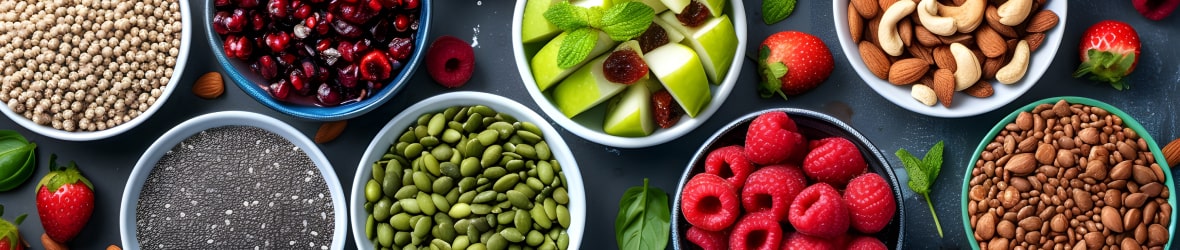
Include foods like fatty fish (salmon, mackerel, and sardines), flax seeds, chia seeds, walnuts, and algae.
2) Vitamin B6
Vitamin B6 is crucial for nerve health. Evidence suggests that low levels of vitamin B6 may be linked to an increased risk of carpal tunnel syndrome.
To boost your vitamin B6 intake, include sources like chicken, turkey, tuna, sunflower seeds, and pistachios.
3) Antioxidants
Antioxidants can help reduce free radicals, which are unstable molecules that can increase inflammation.
Fruits and vegetables are some of the best sources of antioxidants. Make sure you include different colored vegetables with different antioxidants to reduce the symptoms of carpal tunnel syndrome.
4) Magnesium
Magnesium plays a crucial role in muscle relaxation, and many people who have carpal tunnel syndrome experience muscle tension.
Some foods high in magnesium include almonds, cashews, leafy greens, avocado, and bananas.
Best Supplements And Vitamins For Carpal Tunnel Syndrome
While dietary supplements and vitamins can help reduce the symptoms of carpal tunnel syndrome, it’s important to understand that they should never replace medical treatment.
Also, make sure you consult with a health professional before adding a new supplement to your routine.
Here are some common dietary supplements to help reduce carpal tunnel syndrome. Keep in mind that you can also add the ones we previously mentioned (vitamin B6, omega-3, and magnesium).
Vitamin D
Studies show vitamin D may help reduce musculoskeletal pain and inflammation. You can also increase vitamin D levels by taking daily sunlight.
Turmeric
Curcumin is the active compound in turmeric that has powerful anti-inflammatory properties. Research shows that it may help reduce inflammation and pain associated with carpal tunnel syndrome.
Lifestyle Changes Improve Carpal Tunnel
Managing carpal tunnel syndrome not only involves medical treatment but also lifestyle changes to help alleviate symptoms. Here are some lifestyle tips to help manage carpal tunnel syndrome.
Ergonomic workstation setup
Make sure that your workstation is ergonomically designed to minimize strains on your wrists and hands.
Ensure proper posture, position the keyboard and mouse at elbow level, and use wrist rests to keep them in a neutral position.
Frequent breaks
Take regular breaks from repetitive tasks that put strain on your wrists and hands. Do some stretches or gentle wrist movements during the breaks.
Alternate tasks
If it’s possible, alternate between tasks that involve repetitive hand and wrist movements with other tasks that use other muscle groups.
Maintain a healthy weight
Excess weight can increase pressure on the nerve and lead to more symptoms of carpal tunnel syndrome.
Warm-up before activities
Before doing activities that require repetitive hand or wrist movements (like typing), warm up your muscles with gentle stretching exercises to reduce strain or injury.
Conclusion
- By combining strategic dietary choices with healthy lifestyle practices, you have the potential to improve your quality of life if you have carpal tunnel syndrome.
- Remember, while no nutritional approach is foolproof, the cumulative effect of small changes can lead to significant improvements.
- Remember that nutrition is only one way to help reduce carpal tunnel syndrome symptoms. Lifestyle changes, such as having an ergogenic workstation, play a crucial role in preventing and handling the symptoms.
This article is for informational purposes only and does not serve as medical advice. The details provided here are not a replacement for, and should never be depended upon as, professional medical advice. Always consult your physician regarding the potential risks and benefits of any treatment.
Dr. Tom Leaver
MBBS, NHS GP Registrar and Medical Writer
Dr. Tom Leaver, MBBS, is an NHS GP Registrar and medical writer with publications in the Bone & Joint Journal and experience across multiple medical specialties.
Our Medical Review Process
At Ben’s Natural Health, we are committed to maintaining the highest standards of accuracy, transparency, and scientific integrity. Every piece of content is carefully developed by medical professionals and undergoes a thorough review every 12 to 24 months. This ensures that our information remains current, reliable, and rooted in credible, evidence-based research. We reference only peer-reviewed studies from reputable medical journals, providing full citations and direct links to enhance trust and confidence. Learn more about our medical review process and research standards.
Our Editorial Guidelines
For over 25 years, Ben’s Natural Health has been a trusted source of scientifically backed, reliable health information. Our editorial guidelines uphold the highest quality and integrity for every article we publish. Each piece is written by qualified experts and undergoes independent quality checks. We prioritize transparency by clearly displaying contributor credentials and biographies at the beginning of every article. Read more about our editorial standards.
Medical Disclaimer
The content on this blog is for informational purposes only and should not be considered a substitute for professional medical advice, diagnosis, or treatment. While our articles are authored and reviewed by licensed medical professionals, they may not address your specific health concerns. Always consult a qualified healthcare provider before making any medical decisions.
Article Sources
- Joshi A, Patel K, Mohamed A, Oak S, Zhang MH, Hsiung H, Zhang A, Patel UK. Carpal Tunnel Syndrome: Pathophysiology and Comprehensive Guidelines for Clinical Evaluation and Treatment. Cureus. 2022 Jul 20;14(7):e27053. doi: 10.7759/cureus.27053. PMID: 36000134; PMCID: PMC9389835.
- Fritsche KL. Linoleic acid, vegetable oils & inflammation. Mo Med. 2014 Jan-Feb;111(1):41-3. PMID: 24645297; PMCID: PMC6179509.
- Calder PC. Omega-3 fatty acids and inflammatory processes. Nutrients. 2010 Mar;2(3):355-374. doi: 10.3390/nu2030355. Epub 2010 Mar 18. PMID: 22254027; PMCID: PMC3257651.
- Ryan-Harshman M, Aldoori W. Carpal tunnel syndrome and vitamin B6. Can Fam Physician. 2007 Jul;53(7):1161-2. PMID: 17872812; PMCID: PMC1949298.
- Savadjani SA, Sherwin CM, Heidari-Soureshjani S, Darvishi M, Amiri MM. The Role of Vitamin D in Carpal Tunnel Syndrome Risk and Supplementation Outcomes: A Systematic Review. Curr Rheumatol Rev. 2023;19(4):439-448. doi: 10.2174/1573397119666230505101443. PMID: 37151171.
Article Update History
Reviewer:
Created on April 15, 2024
Explore More
Blue Zones Diet: Foods To Eat and Avoid For A Longer Life
You might have heard about the Blue Zones Diet before, but do you know where it came from and what foods it involves? The ...