Fungal Prostatitis: Symptoms, Causes, Treatment





Article Summary
- Fungal prostatitis is a prostate infection caused by fungi.
- It is a rare and very unusual type of prostatitis.
- Similar to other types of prostatitis, it causes lower urinary tract symptoms.
Fungal prostatitis is a rare but serious prostate infection, most often caused by Candida species. It’s easy to miss because its symptoms closely mirror those of bacterial prostatitis, and standard antibiotics don’t touch it. If you’ve had prostatitis symptoms that won’t clear with antibiotics, a fungal cause is worth discussing with your doctor.
What Is Fungal Prostatitis?
Fungal prostatitis is a prostatic infection caused by fungal organisms rather than the bacteria behind most prostatitis cases. Candida species are the most frequent culprits; Cryptococcus neoformans, Histoplasma capsulatum, Coccidioides immitis, and Blastomyces dermatitidis also appear in case reports, particularly in immunocompromised patients.
Where bacterial prostatitis triggers a rapid inflammatory response driven by gram-negative bacilli, fungal infection tends to develop more slowly and produces granulomatous inflammation, a tissue reaction to persistent foreign organisms. This distinct pathophysiology means antibiotic therapy fails entirely, which is often the first clinical clue that something other than bacteria is involved.
Fungal prostatitis sits within the broader context of chronic prostatitis, but it’s genuinely uncommon. According to a 2022 review, prostatic abscesses from fungal pathogens occur almost exclusively in people with diabetes or major immunosuppression. Even among all prostatitis cases, 8.2% lifetime prostatitis prevalence in men tells you how common prostatitis is; the fungal subset is a small fraction of that. A 2025 candiduria framework categorizes prostatitis as part of the symptomatic Candida urinary spectrum that warrants antifungal intervention.
How fungal infections develop in the prostate
Fungi typically reach the prostate through one of two routes: ascending spread from the urethra or bladder, or hematogenous seeding during a bloodstream infection. Once established, fungal organisms resist host defenses and form micro-abscesses within prostatic tissue, which explains why symptoms can smolder for weeks before a diagnosis is made.
Symptoms of Fungal Prostatitis
Fungal prostatitis produces the same symptom cluster as other forms of prostatitis, so no single feature confirms a fungal cause on its own.
Common symptoms include:
- Pelvic and perineal pain, dull aching or pressure in the area between the scrotum and rectum, the lower abdomen, or the groin
- Dysuria, pain or burning during urination; this happens because inflamed prostatic tissue compresses the urethra, irritating the urinary stream (learn more about burning during urination)
- Urinary changes, increased frequency, urgency, hesitancy, or a weakened stream
- Post-ejaculatory pain, some men notice discomfort or pain during or after ejaculation, which reflects prostatic inflammation extending to surrounding tissues; prostate pain after ejaculation can stem from several overlapping causes beyond infection alone
UTI symptoms in men overlap significantly with fungal prostatitis, and distinguishing the two without lab work is difficult. Some men also notice cloudy urine or mild fever. If you’re unsure whether your symptoms point to a yeast infection or a UTI, a urine culture will usually clarify it. Published evidence on Candida-associated infections confirms that symptom overlap between fungal and bacterial sources is the norm, not the exception. Early empirical antifungal therapy is associated with better outcomes when yeast is isolated alongside sepsis signs, according to one retrospective analysis.
When to seek urgent care
Go to an emergency room or call your doctor the same day if you develop fever with shaking chills, inability to urinate, or severe pelvic pain. These can signal abscess formation or early infection spreading through the body, both of which need immediate medical attention.
What Causes Fungal Prostatitis
The most common cause is fungal overgrowth, most often Candida, gaining a foothold in the prostate. Fungi are normally kept in check by a healthy immune system and a balanced microbial environment; when either is disrupted, opportunistic colonization becomes possible.
Standard antibiotics don’t work because they target bacterial cell structures, and fungi have entirely different biology. Broad-spectrum antibiotics actually raise the risk by wiping out bacterial competitors that normally keep Candida in check, leaving it room to expand. Epidemiology of candidemia data shows both Candida albicans and non-albicans species contribute to invasive genitourinary disease, with non-albicans strains becoming more prevalent in healthcare settings. A global estimate puts 6.5 million invasive fungal infections annually worldwide, reflecting how common fungal disease has become as immunocompromised populations grow. Research on Candida prosthetic joint infections shows the same pattern: fungi exploit disrupted defenses, slow to declare themselves but hard to clear once established.
Risk factors and who is most vulnerable
Several conditions make fungal prostatitis significantly more likely:
- Immunosuppression, HIV infection, organ transplantation, and long-term corticosteroid use all suppress the immune defenses that keep fungal organisms in check, making this the highest-risk category
- Diabetes, poorly controlled blood sugar creates an environment in which fungi multiply; men with diabetes account for a disproportionate share of fungal prostatic abscess cases. Diabetes promotes yeast infections by impairing immune cell function, and fungal foot infections in people with diabetes illustrate the same broader vulnerability
- Long-term antibiotic use, as noted above, broad-spectrum antibiotics deplete protective bacteria and allow Candida to proliferate in the genitourinary tract; yeast infection in men is a recognized consequence of repeated or prolonged antibiotic courses
- Urinary catheters, catheter surfaces give fungi a place to adhere and form biofilms, increasing the risk of ascending prostatic infection
- Structural urinary tract conditions, benign prostatic hyperplasia (BPH, meaning an enlarged prostate gland) causes incomplete bladder emptying, and stagnant urine raises infection risk of any kind
A Kuwait epidemiology study confirmed that diabetes and prior antibiotic exposure are among the strongest independent predictors of Candida infection in hospitalized adults.
How Doctors Diagnose Fungal Prostatitis
Diagnosis is challenging. Symptoms mirror bacterial urinary tract infections in men, and the first clinical clue is usually failure to improve on antibiotics. That poor antibiotic response should trigger fungal workup.
A multicenter case series from PubMed found that fungal prostatitis due to endemic mycoses and Cryptococcus is rare but carries a favorable outcome when identified and treated promptly. Candida osteoarticular infection data similarly show that delayed identification worsens outcomes across deep-organ fungal sites.
Tests and imaging your doctor may use
Your doctor may order some or all of the following:
| Test | What it looks for |
| Urine culture | Fungal species in the urinary tract |
| Expressed prostatic secretions | Direct evidence of fungal organisms in prostatic fluid |
| Blood cultures | Fungal spread in the bloodstream |
| Prostate needle biopsy | Definitive histology; detects granulomas |
| Pelvic ultrasound or CT | Abscess formation or structural abnormality |
Cloudy urine or pyuria on urinalysis may raise suspicion. Symptoms often overlap with cystitis, so culture results are the deciding factor. A five-category clinical framework for candiduria includes prostatitis clinical spectrum as a distinct category that requires antifungal decision-making.
How Rare Is Fungal Prostatitis
Fungal prostatitis is genuinely uncommon. Prostatitis overall accounts for 2 million outpatient prostatitis visits annually in the United States, but the fungal subset is a small fraction of those. From 105,600 consecutive prostate biopsies, just seven cases of endemic mycoses or Cryptococcus were confirmed, giving 0.0066% fungal prostatitis biopsy incidence. But that figure covers only culture-confirmed endemic or cryptococcal disease; Candida prostatitis in hospitalized, immunocompromised men is likely more common and under-reported.
A fungal prostatitis update notes that each causative organism can mimic bacterial infection, benign prostatic hyperplasia, or even prostate cancer on imaging, which contributes to missed diagnoses. How to diagnose and treat fungal infections in chronic prostatitis points to biopsy as the most reliable diagnostic route when suspicion runs high. With 110,000 US invasive fungal cases in 2024 and the number rising, fungal prostatitis deserves more clinical attention than it currently gets.
Treatment Options for Fungal Prostatitis
Treatment has to do two things at once: clear the fungal infection with appropriate antifungal therapy and address the underlying conditions that made infection possible.
That means removing or replacing urinary catheters when feasible, tightening blood sugar control in men with diabetes, and stopping unnecessary antibiotics. Urinary obstruction, often from BPH, needs concurrent management, because incomplete bladder emptying keeps the infection going. Recurrent urinary tract infections follow the same logic: remove the structural driver or the infection will return. Natural supportive measures for prostatitis and bladder health strategies may aid recovery alongside prescribed treatment, but they don’t replace antifungal medication.
A 2025 study found no meaningful difference in outcomes between 7-day and 14-day fluconazole courses for Candida urinary tract infections, supporting shorter stewardship-aligned courses in lower-risk patients. Research on antifungal treatment in diabetic foot infections reinforces that treating positive fungal cultures reduces complications when underlying metabolic disease is present. A prospective evaluation of chronic prostatitis refractory to antibiotics found benefit from a 2-week regimen combining fluconazole, urinary alkalinization, and dietary changes. And a phase 3 study on vulvovaginal candidiasis is generating additional data on antifungal duration and response that may shape future genitourinary protocols.
Antifungal medications and how long treatment takes
Fluconazole is the most commonly prescribed first-line agent. Typical dosing runs 100 mg to 400 mg orally once daily, with treatment lasting 6 to 8 weeks for prostatic involvement. One case series documented complete symptom resolution with fluconazole 400 mg daily; symptoms cleared within the first week, with no recurrence at 6-month follow-up.
For severe, refractory, or disseminated infection, intravenous amphotericin B is escalated to when oral azoles have failed or the organism is resistant. So the choice of agent depends heavily on species identification and susceptibility testing.
Some honest cautions: fluconazole carries a hepatotoxicity risk, particularly in men with pre-existing liver conditions. It also interacts with blood thinners like warfarin, certain statins, and some diabetes medications. Amphotericin B is associated with kidney toxicity and electrolyte disturbances. Tell your prescriber about every medication you’re currently taking.
What to expect during recovery
Warm sitz baths, taken for 15 to 20 minutes two or three times daily, ease pelvic discomfort by relaxing pelvic floor muscles and increasing local circulation. Non-steroidal anti-inflammatory drugs (NSAIDs) can help with pain and inflammation in the short term.
Many men notice symptom improvement within the first 1 to 2 weeks of antifungal therapy. But the full 6 to 8 week course still matters. Stopping early risks relapse, since prostatic tissue is poorly penetrated by antifungals and requires sustained drug exposure to clear the infection. Prognosis after completing a full course is generally favorable in immunocompetent patients; in men with ongoing immunosuppression or uncontrolled diabetes, recurrence is more likely unless the underlying condition is brought under control.
Complications and When to See a Doctor
Untreated or inadequately treated fungal prostatitis can progress to serious complications.
A prostatic abscess is one of the more common local complications, requiring drainage on top of antifungal therapy. Left untreated, the infection can enter the bloodstream and cause fungal sepsis. Mortality from disseminated candidiasis in immunosuppressed patients reaches 30 to 40%, making early diagnosis genuinely important. IFIs exceed 1.5 million deaths annually worldwide, and spread from any deep-organ fungal source contributes to that toll. Chronic unresolved prostatic infection can also cause persistent bladder irritation, difficulty urinating, and in some cases urinary retention.
And a note on ibrexafungerp’s phase 3 data: newer antifungal agents are in development for refractory fungal disease, which may eventually expand options for patients who don’t respond to azoles.
See your doctor promptly if symptoms don’t improve after a week on prescribed antifungals, if you develop fever or chills, if you can’t urinate, or if pelvic pain becomes severe. These are reasons to escalate care, not wait.
Frequently Asked Questions
Can fungal prostatitis go away on its own, or do you always need treatment?
Fungal prostatitis won’t reliably resolve on its own. The prostate’s poor drug penetration and the organism’s capacity to form biofilms both work against spontaneous clearance. If you have a confirmed or strongly suspected fungal infection, treatment is needed.
Are there any natural remedies or supplements that can help alongside antifungal medication?
Some men find that supportive measures help ease symptoms during recovery, cutting sugar and refined carbohydrates, taking warm sitz baths, and eating anti-inflammatory foods are among the most commonly reported.
If you’ve had fungal prostatitis once, are you more likely to get it again?
Yes, if the underlying risk factor (uncontrolled diabetes, continued immunosuppression, structural obstruction) hasn’t been addressed, recurrence is more likely. Men with resolved fungal prostatitis benefit from ongoing monitoring, blood sugar management if relevant, and prompt evaluation of any returning urinary symptoms.
Conclusion
Fungal prostatitis is a rare but real diagnosis, most common in men with diabetes, immunosuppression, or prolonged antibiotic exposure. The main signal is prostatitis symptoms that don’t respond to antibiotics. Diagnosis requires urine culture, prostatic secretion analysis, or biopsy, and treatment centers on a 6 to 8 week fluconazole course paired with management of any underlying conditions. Early recognition and full treatment completion lead to good outcomes in most cases. This article is informational and isn’t a substitute for professional medical advice, if your symptoms match what’s described here, speak with your doctor or a urologist. For men looking to support long-term prostate wellness after recovery.
This article is for informational purposes only and does not serve as medical advice. The details provided here are not a replacement for, and should never be depended upon as, professional medical advice. Always consult your physician regarding the potential risks and benefits of any treatment.
Dr. Buddhini Dolapihilla
MBBS, Clinical Research Physician Scientist
Dr. Buddhini Dolapihilla, MBBS, is a clinical research physician scientist at the University of Colombo, Sri Lanka, with 6+ years of research experience.
Our Medical Review Process
At Ben’s Natural Health, we are committed to maintaining the highest standards of accuracy, transparency, and scientific integrity. Every piece of content is carefully developed by medical professionals and undergoes a thorough review every 12 to 24 months. This ensures that our information remains current, reliable, and rooted in credible, evidence-based research. We reference only peer-reviewed studies from reputable medical journals, providing full citations and direct links to enhance trust and confidence. Learn more about our medical review process and research standards.
Our Editorial Guidelines
For over 25 years, Ben’s Natural Health has been a trusted source of scientifically backed, reliable health information. Our editorial guidelines uphold the highest quality and integrity for every article we publish. Each piece is written by qualified experts and undergoes independent quality checks. We prioritize transparency by clearly displaying contributor credentials and biographies at the beginning of every article. Read more about our editorial standards.
Medical Disclaimer
The content on this blog is for informational purposes only and should not be considered a substitute for professional medical advice, diagnosis, or treatment. While our articles are authored and reviewed by licensed medical professionals, they may not address your specific health concerns. Always consult a qualified healthcare provider before making any medical decisions.
Article Sources
- Candida Prostatitis: A Review and Update. Auctores. https://auctoresonline.org/article/candida-prostatitis-a-review-and-update
- Prostatitis: Background, Pathophysiology, Etiology. emedicine.medscape.com. https://emedicine.medscape.com/article/785418-overview
- https://digibug.ugr.es/bitstream/handle/10481/106088/jof-11-00483.pdf?sequence=1&isAllowed=y
- Sambri A, Zunarelli R, Fiore M, Bortoli M, Paolucci A, Filippini M, et al. (2022). Epidemiology of Fungal Periprosthetic Joint Infection: A Systematic Review of the Literature. Microorganisms, 11(1). https://doi.org/10.3390/microorganisms11010084
- Zou ZY, Sun KJ, Fu G, Huang JJ, Yang ZJ, Zhou ZP, et al. (2022). Impact of early empirical antifungal therapy on prognosis of sepsis patients with positive yeast culture: A retrospective study from the MIMIC-IV database. Frontiers in microbiology, 13, 1047889. https://doi.org/10.3389/fmicb.2022.1047889
- https://onlinelibrary.wiley.com/doi/10.1111/myc.13729
- https://www.clinicalmicrobiologyandinfection.org/article/S1198-743X%2824%2900386-0/fulltext
- Krajnc Z, Žitek K, & Gorišek Miksić N (2025). Fungal Prosthetic Joint Infection by Candida parapsilosis After Total Knee Arthroplasty. Antibiotics (Basel, Switzerland), 14(11). https://doi.org/10.3390/antibiotics14111112
- Khalifa Al Benwan, Sarah Ahmed, Dalal Al Banwan, & Maria John (2025). Candidemia in a General Hospital in Kuwait: Epidemiology, Species Distribution, Risk Factors, and Antifungal Susceptibility Patterns over a 10-Year Period (2015–2024). Journal of Fungi, 11(9), 670. https://doi.org/10.3390/jof11090670
- Checking your browser – reCAPTCHA. pubmed.ncbi.nlm.nih.gov. https://pubmed.ncbi.nlm.nih.gov/32572997/
- Özlem Güler, Murat Üzel, Dilşat Tepe, Firdevs Aksoy, Güle Çınar, Kemal Osman Memikoğlu, et al. (2025). Epidemiology and outcomes of Candida-associated osteoarticular infections: A multicentre retrospective study from Turkey. Medical Mycology, 63(9), myaf080. https://doi.org/10.1093/mmy/myaf080
- Hannah J. Pendegast, Stephen W. Leslie, & Derek J. Rosario (2024). Chronic Prostatitis and Chronic Pelvic Pain Syndrome in Men. https://www.ncbi.nlm.nih.gov/books/NBK599550/
- https://www.researchgate.net/publication/264989905_Fungal_prostatitis_An_update
- Wise, Gilbert J., & Shteynshlyuger, Alex (2006). How to diagnose and treat fungal infections in chronic prostatitis. Current Urology Reports, 7(4), 320-328. https://doi.org/10.1007/s11934-996-0012-2
- INVASIVE FUNGAL INFECTIONS Epidemiology Forecast Report. delveinsight.com. https://www.delveinsight.com/report-store/invasive-fungal-infections-epidemiology-forecast
- Jacob C Govel, Robert W Seabury, Elizabeth A Asiago-Reddy, Ramiro L Gutierrez, Katie A Parsels, & Wesley D Kufel (2025). Evaluation of shorter versus longer antifungal treatment durations for Candida spp. urinary tract infections among hospitalized adults. Antimicrobial Agents and Chemotherapy, 69(6), e01920-24. https://doi.org/10.1128/aac.01920-24
- Laila M Castellino, Alexander M Tatara, Michael Fanning, Freeman Brunaugh, Elizabeth Haddad, John Hanna, et al. (2026). P-89. Impact of Treatment of Positive Fungal Cultures in Diabetic Foot Infections. Open Forum Infectious Diseases, 13(Suppl 1), ofaf695.318. https://doi.org/10.1093/ofid/ofaf695.318
- https://www.urotoday.com/recent-abstracts/men-s-health/prostatitis/69270-chronic-prostatitis-chronic-pelvic-pain-syndrome-the-role-of-an-antifungal-regimen-abstract.html
- Beijing Tsinghua Chang Gung Hospital. (2024). Epidemiological Study of Vulvovaginal Candidiases Strain Types and Risk Factors Among Gynecological Outpatients in China (NCT06200389). ClinicalTrials.gov. https://clinicaltrials.gov/study/NCT06200389
- Francesco Branda, Nicola Petrosillo, Giancarlo Ceccarelli, Marta Giovanetti, Andrea De Vito, Giordano Madeddu, et al. (2025). Antifungal Agents in the 21st Century: Advances, Challenges, and Future Perspectives. Infectious Disease Reports, 17(4), 91. https://doi.org/10.3390/idr17040091
- Thompson GR, King T, Azie N, Angulo DA, & Prattes J (2022). 871. Oral Ibrexafungerp Outcomes by Fungal Disease in Patients from an Interim Analysis of a Phase 3 Open-label Study (FURI). Open Forum Infectious Diseases, 9(Suppl 2). https://doi.org/10.1093/ofid/ofac492.064
Article Update History
Reviewer:
Created on February 17, 2022
Explore More
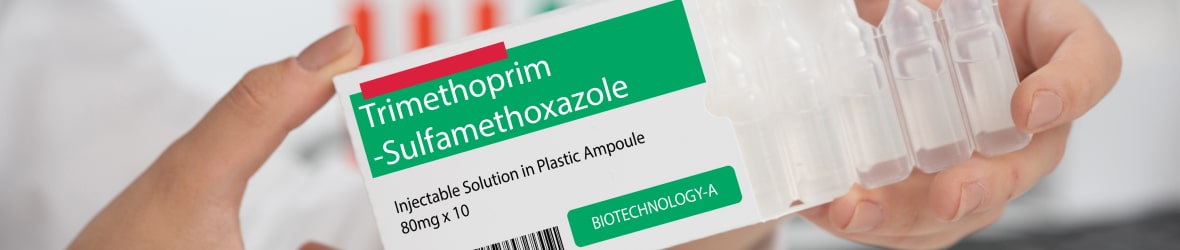
Doctor Answers: Effectiveness of Bactrim for Prostatitis
If you’ve been diagnosed with prostatitis and have been prescribed Bactrim, you might be curious about how it works and whether it’s truly effective. ...