What to Eat After Food Poisoning: Foods To Aid Recovery




Food poisoning happens when food is contaminated with harmful bacteria, such as E. coli, Campylobacter, Salmonella, or Vibrio.
When having diarrhea or vomiting, the last thing you want to do is get out of bed, let alone eat.
While most cases are mild and can last only a few hours, others might last up to several days or weeks.
Common symptoms of food poisoning include:
- Stomach cramps
- Diarrhea
- Vomiting
- Nausea
- Headache
- Foggy brain
When you start to feel better after experiencing food poisoning, it’s essential to consider reintroducing food slowly. Consult a healthcare professional for guidance.
Food poisoning can cause massive water loss. This can lead to imbalances in water and electrolytes in the body.
So, one of the things you need to focus on when you are starting to feel better is to replenish those electrolytes and liquids.
Also, the foods you include not only can make the symptoms decrease but can also help replenish gut health and strengthen gut function.
Here, we’ll go over the best foods to eat after food poisoning and cover those foods that are best to avoid.
Foods To Eat And Drink After Food Poisoning
Here are some of the best foods and drinks to include when recovering from food poisoning:
1) Rehydrating Solutions
Specially formulated drinks have the right amount of electrolytes and calories to help replenish your energy and hydration.
Make sure you select a drink formulated for food poisoning instead of relying on options like sports drinks.
Sports drinks can have more sugar and electrolytes, increasing diarrhea and other symptoms.
2) Herbal Teas
Herbal teas are another great option to stay hydrated. Some options, like ginger tea, might even provide additional benefits besides allowing you to stay hydrated.
Evidence suggests that ginger might help reduce nausea and stomach cramps.
Another great option seems to be fennel tea, which, according to research, might help block the growth of some bacterial strains, such as E. coli.
3) Broth
Clear broths are a good way to increase the nutrient intake without putting too much strain on your stomach.
They are soothing and can become comfort food whenever you are feeling under the weather.
Make sure you choose broths that are as natural as possible. Some processed broths are high in fats and sodium, which can increase digestive issues instead of making them better.
4) BRAT Diet
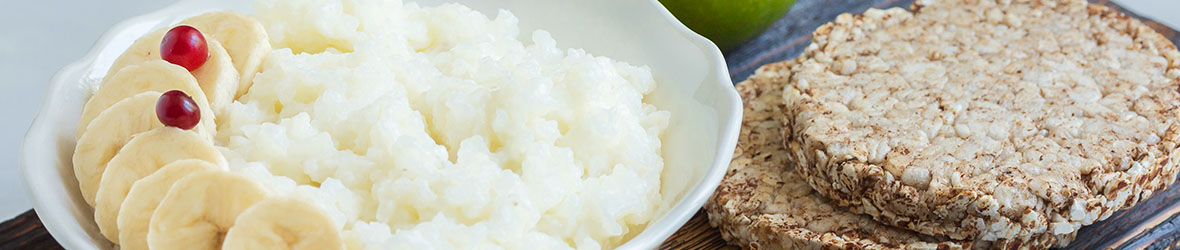
The BRAT diet is an acronym for the foods that are best to eat when having digestive issues:
- Bananas
- Rice
- Applesauce
- Toast
These easy-to-digest foods can reduce stomach cramps while providing enough calories and energy to help you feel better. Consuming a bland diet is ideal after food poisoning.
There are a couple of things to point out. For example, when having rice, make sure you cook it without any added fats or condiments. Otherwise, it might produce an upset stomach.
And, when choosing applesauce, select those that are as natural as possible, hopefully without any added sugars.
If you find the BRAT diet too restrictive, add other bland foods, such as:
- Saltine crackers
- Potatoes or sweet potatoes (without sour cream or butter)
- Oatmeal
- Watermelon
- Grilled (steamed or baked) chicken breast.
5) Fermented Foods
Finally, fermented foods are ideal to help replenish gut health. However, remember that these are best to include when you feel more than 50% better.
Including them during your early recovery might increase your chances of digestive issues.
Fermented foods are high in probiotics, which are living microorganisms that can help bring a healthy balance in the gut after food poisoning.
If you had to take antibiotics, the medication wipes out all bacteria (good or bad).
Adding a probiotic can help balance the gut and strengthen the immune system, meaning you are less likely to get ill again.
Great fermented foods include:
- Kimchi
- Sauerkraut
- Kefir
- Tempeh
- Kombucha
- Miso
Foods And Drinks To Avoid After Foodborne Illness
Let’s review the foods you need to avoid after food poisoning. The following foods can irritate or cause more inflammation in the stomach and intestines.
1) Caffeinated drinks
Options like coffee, black tea, or energy drinks can stimulate the colon and cause an increase in bowel movements.
2) Sugary foods and drinks
While you want to replenish your energy, eating or drinking too much sugar can cause more water to be drawn to the intestines, increasing the risk of diarrhea.
Therefore, avoiding foods or drinks that are too high in added sugars is best.
3) Some dairy products
Certain dairy options are high in fat and sugar. These can irritate the digestive issues. Also, they might contain more additives or preservatives that are best to avoid while recovering.
4) Spicy foods
Since your gut might be irritated, it’s best to avoid that hot sauce you enjoy. Also, ensure you do not add too many condiments when cooking your meals.
5) High-fat foods
Fats are harder to digest. Since they take longer to digest, they can increase the risk of bloating and nausea.
You might want to introduce high-fat foods (avocados, nuts, seeds, oils, sour cream, and butter) slowly.
6) High-fiber foods
Fiber is tough to digest, so while recovering from foodborne illness, it’s better to avoid it or eat it in small amounts.
Once you feel better, you can start including them slowly, always ensuring you drink plenty of water.
7) Alcohol
Drinking alcohol can increase the risk of heartburn and diarrhea. Also, alcohol intake can cause dehydration, which can make the food poisoning symptoms worse.
| Foods to eat | Foods to avoid |
| Rehydrating solutions | Caffeinated drinks |
| Herbal teas | Sugary foods and drinks |
| Broth | Certain dairy products |
| BRAT diet | Spicy foods |
| Fermented foods | High-fat foods |
| Saltine crackers | High-fiber foods |
| Oatmeal | Alcohol |
Recovering From Stomach Bugs
Most episodes of food poisoning last 12 to 48 hours. If you are still recovering, there are some things you need to consider besides nutrition:
- Follow the doctor’s orders. Even though you might be feeling better, follow the doctor’s instructions thoroughly. If you still have 5 days left on your medication, continue to take it.
- Take it easy with the exercise. While exercise may be tempting, give your body a couple of days to rest before starting to exercise. And, once you start, take it easy.
- Get enough sleep. Rest is going to play a crucial role in recovery. Get at least 7-9 hours of high-quality sleep. But the more you can rest, the better.
- Stay hydrated. Consult with a health professional how much water you need to drink based on your current state.
Conclusion
Recovering from food poisoning can be challenging. But, once you know which foods to eat and avoid, it makes things easier.
In the end, the more natural and less processed, the better. Including foods high in chemicals, fats, and sugars worsens symptoms.
Remember always to consult with your doctor before you start returning to your normal life and follow the doctor’s orders regarding the medication.
This article is for informational purposes only and does not serve as medical advice. The details provided here are not a replacement for, and should never be depended upon as, professional medical advice. Always consult your physician regarding the potential risks and benefits of any treatment.
Dr. Corina Kibsey
ND, Naturopathic Doctor
Dr. Corina Kibsey, ND, is a Naturopathic Doctor in the GTA specializing in digestive health, stress management, and holistic medicine.
Our Medical Review Process
At Ben’s Natural Health, we are committed to maintaining the highest standards of accuracy, transparency, and scientific integrity. Every piece of content is carefully developed by medical professionals and undergoes a thorough review every 12 to 24 months. This ensures that our information remains current, reliable, and rooted in credible, evidence-based research. We reference only peer-reviewed studies from reputable medical journals, providing full citations and direct links to enhance trust and confidence. Learn more about our medical review process and research standards.
Our Editorial Guidelines
For over 25 years, Ben’s Natural Health has been a trusted source of scientifically backed, reliable health information. Our editorial guidelines uphold the highest quality and integrity for every article we publish. Each piece is written by qualified experts and undergoes independent quality checks. We prioritize transparency by clearly displaying contributor credentials and biographies at the beginning of every article. Read more about our editorial standards.
Medical Disclaimer
The content on this blog is for informational purposes only and should not be considered a substitute for professional medical advice, diagnosis, or treatment. While our articles are authored and reviewed by licensed medical professionals, they may not address your specific health concerns. Always consult a qualified healthcare provider before making any medical decisions.
Article Sources
- Nikkhah Bodagh M, Maleki I, Hekmatdoost A. Ginger in gastrointestinal disorders: A systematic review of clinical trials. Food Sci Nutr. 2018 Nov 5;7(1):96-108. doi: 10.1002/fsn3.807. PMID: 30680163; PMCID: PMC6341159.
- Salami M, Rahimmalek M, Ehtemam MH. Inhibitory effect of different fennel (Foeniculum vulgare) samples and their phenolic compounds on formation of advanced glycation products and comparison of antimicrobial and antioxidant activities. Food Chem. 2016 Dec 15;213:196-205. doi: 10.1016/j.foodchem.2016.06.070. Epub 2016 Jun 22. PMID: 27451172.
Article Update History
Reviewer:
Created on October 25, 2023
Explore More
Blue Zones Diet: Foods To Eat and Avoid For A Longer Life
You might have heard about the Blue Zones Diet before, but do you know where it came from and what foods it involves? The ...