Squamous Epithelial Cells in Urine: UTI, Liver, Other Causes
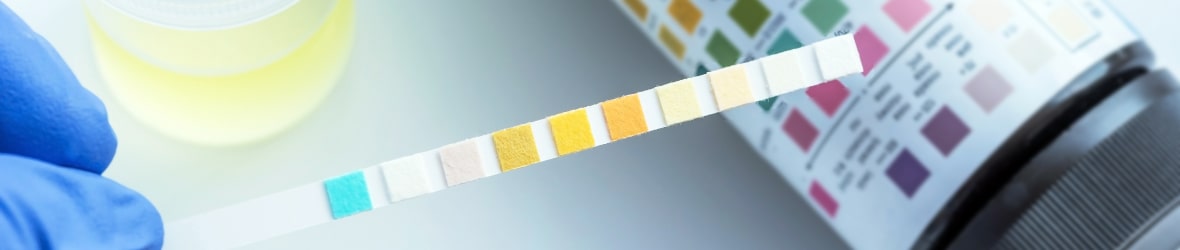




Epithelial cells line the outside and inside of body surfaces, such as the blood vessels, skin, and organs, including the urinary tract.
A normal urinary sample contains a small number of epithelial cells.
However, large numbers of these cells in a urine sample may be due to various factors.
In this article, we will discuss the various causes of a large number of squamous epithelial cells in urine, what other symptoms may be present, possible treatment options, and whether the presence of squamous cells in urine indicates cancer.
What Does It Mean If You Have Squamous Epithelial Cells in Your Urine Test?
The presence of squamous epithelial cells in your urine test may indicate contamination of your sample.
The urine sample may contain epithelial cells from other body parts, such as the urethra in men and the urethra and vagina in women.
This usually happens if you collect the urine sample using the clean catch method without properly cleaning the genital area.
There are various other causes of the presence of squamous epithelial cells in urine, which we discuss below.

What Causes Squamous Epithelial Cells in Urine?
The following causes may increase the number of squamous epithelial cells in urine:
Normal Shedding of the Epithelium
A small number of squamous epithelial cells are normally present in urine and occur due to the shedding of squamous cells that line the urethra and bladder.
Urinary Tract Infections (UTIs)
An infection of the urinary tract may result in irritation and inflammation of the lining of the urinary tract. The latter can increase the spilling of squamous epithelial cells in urine.
Physical Trauma to the Urinary Tract or Irritation
Certain physical activities, such as catheterization, can cause injury or irritation of the urinary tract, resulting in an increased number of squamous epithelial cells in urine.
Urethral, Bladder, kidney, and Liver Diseases
The number of squamous epithelial cells in urine also increases in certain diseases, including kidney and liver disease and certain kinds of cancer.
Possible Accompanying Symptoms With Increased Squamous Epithelial Cells
The accompanying symptoms with increased squamous epithelial cells in urine depend upon the cause.
Urinary Tract Infection
A UTI may affect the bladder (cystitis), urethra (urethritis), or kidneys.
Symptoms of a urinary tract infection are the following:
- Frequent urination
- Burning during urination
- Pain during urination
- Presence of blood in urine
- Smelly or cloudy urine
- Fatigue or tiredness
- Pain in the lower belly
Kidney Disease
Kidney disease usually does not have any signs or symptoms in its early stage. Symptoms and signs develop over time as there is progressive kidney damage.
Depending upon the severity of the kidney function loss, you can develop the following symptoms:
- Nausea
- Vomiting
- Weakness and fatigue
- Appetite loss
- Muscle cramps
- Urinating less or more than normal
- Itchy, dry skin
- Swelling of ankles and legs
- Reduced mental sharpness
- High blood pressure (difficult to manage)
Liver Disease
Liver disease may cause the following symptoms:
- Extreme weakness or tiredness
- Appetite loss
- Jaundice (yellowing of eyes and skin)
- Decreased sex drive or loss of libido
Bladder Cancer
Bladder cancer is amongst the most common cancers in males (fourth) in the USA.
Some of the symptoms and signs of bladder cancer are:
- Presence of blood in urine (changing the color of urine to brown)
- Frequency of urination
- Sudden urgency to urinate
- Burning during urination
- Pain in the pelvic region
- Pain in the bones
- Swelling of ankles and legs
- Unintentional weight loss
Treatments For Abnormal Squamous Epithelial Cells in Urine
Treatment for abnormal squamous epithelial cells in urine depends on the underlying cause.
Urinary Tract Infections
Urinary tract infections are typically treated with antibiotics prescribed by a healthcare professional.
Antiviral medications may be recommended for urinary tract infections caused by viruses.
Staying hydrated can support the healing process for urinary tract infections.
Kidney Disease
The following factors increase the risk of developing kidney disease:
- Age
- Kidney stones
- High blood pressure
- Diabetes
- Weakened immunity
- Enlargement of prostate gland
- Having a history of kidney disease in the family
No cure exists for kidney disease; however, you can manage your symptoms by following the below-mentioned lifestyle habits and treatments:
- Follow a healthy kidney diet, including fresh veggies, fruits, and whole grains
- Exercise regularly
- Reduce your alcohol intake
- Quit smoking (if you are a smoker)
- Reduce weight (if you are overweight or obese)
- Limit your salt intake
- Reduce your intake of foods rich in saturated fats and refined sugar
- Take medicines to control levels of blood pressure, sugar, and cholesterol (under the advisement and supervision of your physician)
You may need dialysis or a kidney transplant in the last stages of chronic kidney disease.
Liver Disease
Treatment for liver disease varies depending on the specific underlying cause. For example, if your liver disease is caused by drinking excessive alcohol, then your doctor will recommend you stop drinking by seeking support.
Bladder Cancer
Many non-surgical and surgical treatment options are available to treat bladder cancer. Your doctor will determine a treatment plan that suits your condition best.
Ben’s Prostate Healer For Bladder & Prostate Health
Prostate Healer is a safe, proprietary, unique blend of the world’s 9 most powerful prostate healing and rejuvenating herbs.
Ben’s Prostate Healer is formulated to fight against prostate diseases like prostatitis and BPH, protect bladder health, provide symptomatic relief from urinary tract infections, and reduce inflammation.
It works on the prostate, kidney, and bladder simultaneously, coaxing cells gently to resume normal function.
If you’re like many men that use the formula, you’ll see a reduction in the number of times you get up to go to the bathroom to urinate, plus see an improvement in the flow of your urine.

Urine Test For Epithelial Cells
A urine test for epithelial cells is a part of normal urinalysis. This is a type of test that is done to measure different substances present in your urine.
A urinalysis may be done as a part of your routine check-up, or your doctor may recommend the test if you present with urinary tract symptoms.
Epithelial cell tests in the urine are part of a microscopic examination of the urine.
Do Squamous Cells in Urine Mean Cancer?
The presence of squamous epithelial cells in urine does not necessarily indicate the presence of cancer.
It is normal to have few squamous epithelial cells in urine, but the presence of more cells may indicate urine contamination, urinary tract infection, or injury to the urinary tract.
In some cases, these cells may also be present due to certain other conditions, including bladder cancer.
However, your doctor will not make a diagnosis of cancer only based on the presence of squamous epithelial cells in urine.
They will recommend other tests depending upon other symptoms present in an individual to reach the final diagnosis.
Conclusion
The cells that form the lining of the urinary tract are called epithelial cells. There are three types:
- Transitional epithelial cells
- Squamous cells
- Renal/kidney tubular cells
The presence of squamous epithelial cells in the urine indicates contamination of your sample.
Squamous epithelial cells in the urine may also be present due to other factors, including urinary tract infections, injury to the urinary tract, and other conditions such as kidney disease, liver disease, and certain cancers.
Treatment of squamous epithelial cells in the urine depends upon the cause, and your doctor will recommend the best treatment approach accordingly.
This article is for informational purposes only and does not serve as medical advice. The details provided here are not a replacement for, and should never be depended upon as, professional medical advice. Always consult your physician regarding the potential risks and benefits of any treatment.
Justin Houman
MD, FACS
Dr. Justin Houman, MD, FACS, is a fellowship-trained urologist specializing in men’s health, hormonal health, and reproductive health.
Our Medical Review Process
At Ben’s Natural Health, we are committed to maintaining the highest standards of accuracy, transparency, and scientific integrity. Every piece of content is carefully developed by medical professionals and undergoes a thorough review every 12 to 24 months. This ensures that our information remains current, reliable, and rooted in credible, evidence-based research. We reference only peer-reviewed studies from reputable medical journals, providing full citations and direct links to enhance trust and confidence. Learn more about our medical review process and research standards.
Our Editorial Guidelines
For over 25 years, Ben’s Natural Health has been a trusted source of scientifically backed, reliable health information. Our editorial guidelines uphold the highest quality and integrity for every article we publish. Each piece is written by qualified experts and undergoes independent quality checks. We prioritize transparency by clearly displaying contributor credentials and biographies at the beginning of every article. Read more about our editorial standards.
Medical Disclaimer
The content on this blog is for informational purposes only and should not be considered a substitute for professional medical advice, diagnosis, or treatment. While our articles are authored and reviewed by licensed medical professionals, they may not address your specific health concerns. Always consult a qualified healthcare provider before making any medical decisions.
Article Sources
- Mohr NM, Harland KK, Crabb V, Mutnick R, Baumgartner D, Spinosi S, Haarstad M, Ahmed A, Schweizer M, Faine B. Urinary Squamous Epithelial Cells Do Not Accurately Predict Urine Culture Contamination, but May Predict Urinalysis Performance in Predicting Bacteriuria. Acad Emerg Med. 2016 Mar;23(3):323-30. doi: 10.1111/acem.12894. Epub 2016 Feb 17. PMID: 26782662.
- Maher PJ, Jablonowski KD, Richardson LD. Squamous epithelial cell presence reduces accuracy of urinalysis for prediction of positive urine cultures. Am J Emerg Med. 2020 Jul;38(7):1384-1388. doi: 10.1016/j.ajem.2019.11.024. Epub 2019 Nov 28. PMID: 31843330.
- Walter FG, Gibly RL, Knopp RK, Roe DJ. Squamous cells as predictors of bacterial contamination in urine samples. Ann Emerg Med. 1998 Apr;31(4):455-8. doi: 10.1016/s0196-0644(98)70253-7. PMID: 9546013.
- Poloni JAT, de Oliveira Vieira A, Dos Santos CRM, Simundic AM, Rotta LN. Survey on reporting of epithelial cells in urine sediment as part of external quality assessment programs in Brazilian laboratories. Biochem Med (Zagreb). 2021 Jun 15;31(2):020711. doi: 10.11613/BM.2021.020711. PMID: 34140834; PMCID: PMC8183119.
Article Update History
Reviewer:
Created on April 10, 2024
Explore More

Adult Bed Wetting: 11 Potential Reasons Why You Wet The Bed
Adult bed wetting (also called nocturnal enuresis or nighttime incontinence) affects 2 to 6% of adults. Sometimes, bedwetting as a child may persist into ...