Vitamin C and Prostate Health
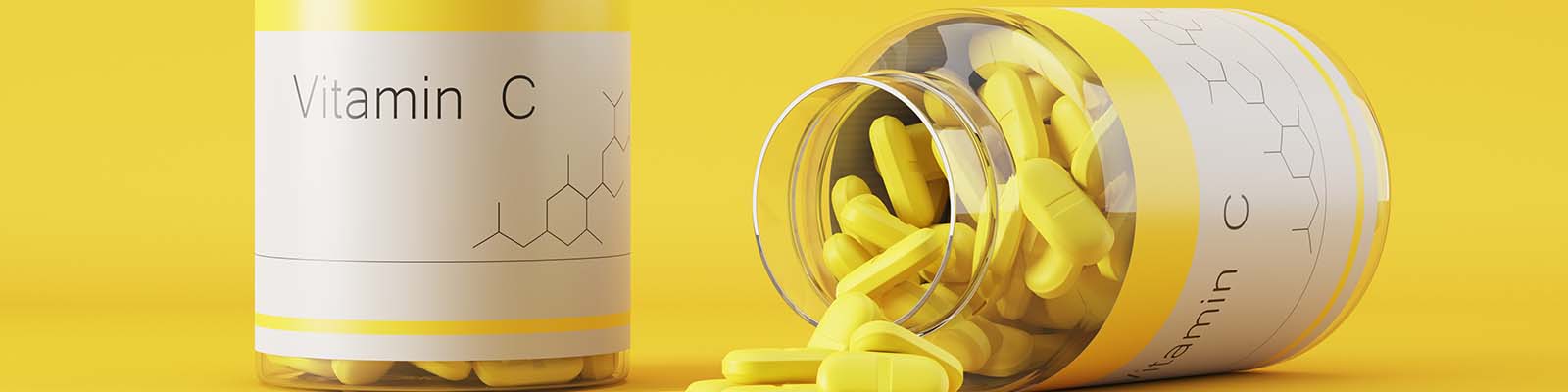




Prostate disease touches a staggering number of American men. The U.S. reports 288,000 new prostate cancer cases annually, and benign prostate enlargement affects most men over 60. Against that backdrop, interest in vitamin C as a prostate-supportive nutrient has grown steadily, driven by new antioxidant and epigenetic research. But does the evidence hold up?
Does Vitamin C Really Support Prostate Health?
The answer depends on what you’re asking. Vitamin C shows genuine biological activity in prostate tissue, and population studies suggest men with higher dietary intake may have a modest edge on prostate health. But the evidence is largely observational and mechanistic, not from large clinical trials. So while vitamin C is a reasonable part of a prostate-friendly diet, it isn’t a standalone solution, and supplements haven’t consistently outperformed food sources in clinical settings.
Prostate conditions span a broad spectrum – from benign prostatic hyperplasia (BPH, a non-cancerous prostate enlargement that squeezes the urethra and triggers urinary symptoms) to chronic prostatitis and prostate cancer. Vitamin C research touches all three, though with uneven strength. A 2005 Physicians’ Health Study assessment found that vitamin C supplementation did not reduce prostate cancer risk compared to placebo – a null result that’s worth knowing before drawing any conclusions. The global prostate cancer therapeutics market, valued at $17 billion in 2024, shows just how seriously medicine takes this disease. Vitamin C belongs in the conversation, but only with realistic expectations.
Vitamin C’s effects on prostate health are also well-summarized in our existing vitamin C and prostate overview, which covers the foundational research alongside diet considerations.
What the research actually shows
Most of the encouraging signals come from epidemiological data and cell studies, which consistently tie higher dietary vitamin C intake to lower oxidative stress markers in prostate tissue. But randomized controlled trials using supplements have generally failed to reproduce those associations as clean protective effects. That gap between “food” and “pill” keeps showing up across this field.
How Vitamin C May Help Your Prostate
Vitamin C (L-ascorbic acid) is a water-soluble antioxidant your body can’t produce on its own. In prostate tissue, two mechanisms get the most attention: antioxidant protection against free radicals, and an emerging epigenetic pathway involving TET enzymes. Other plant antioxidants work through overlapping routes, curcumin and beta-sitosterol, resveratrol, and lycopene have all been studied alongside vitamin C for prostate support, pointing to the fact that no single antioxidant acts alone.
Research into natural products for prostate cancer management increasingly frames antioxidants as part of a broader multi-nutrient approach rather than single-agent interventions.
Antioxidant protection and inflammation
Free radicals – unstable molecules generated during normal metabolism and amplified by infection, obesity, and aging – damage prostate cell membranes and DNA. That accumulated damage sets off an immune response, and chronic immune activation produces the tissue irritation and swelling tied to both BPH and prostatitis. Vitamin C neutralizes free radicals before they reach that point, serving as one of the first lines of oxidative stress and antioxidant defense in prostate tissue.
A 2025 review confirmed that oxidative stress is a key contributor to BPH progression, and that antioxidant strategies paired with conventional treatment show clinical promise. That’s the main rationale for vitamin C’s potential role here. Men who eat diets rich in fruits and vegetables – the primary dietary sources of vitamin C – consistently show lower prostate inflammation markers in observational research, though separating the effect of vitamin C alone from the broader dietary pattern is difficult.
What happens in your cells
Beyond antioxidant activity, vitamin C acts as a cofactor for TET dioxygenase enzymes, which control how genes are switched on and off through a process called DNA demethylation. A 2024 study from Nicolaus Copernicus University found that vitamin C availability influences TET-mediated DNA demethylation in both prostate cancer and BPH tissue. Reduced TET2 and TET3 expression has been observed in leukocytes from men with prostate conditions, and vitamin C availability appears to be one factor that shapes TET activity.
This is early science, not a clinical recommendation. But it repositions vitamin C from a simple antioxidant to a potential epigenetic regulator, which explains why researchers are still actively investigating it rather than closing the book.
Can vitamin C help reduce prostate tissue swelling?
This is where the evidence gets most speculative. The proposed mechanism is plausible: by cutting oxidative stress, vitamin C dampens the inflammatory signals that cause prostate tissue to swell and press on the urethra, potentially easing symptoms like weak stream, urgency, and nighttime frequency. Adequate blood flow and vascular health relevant to prostate function also depend on sustained antioxidant activity, which is another reason dietary vitamin C intake matters beyond acute inflammation. But here’s what matters, there’s no large human intervention trial confirming that vitamin C supplementation reliably improves BPH urinary symptoms. What exists is mechanistic logic and supportive observational data, not proof. Any claim that vitamin C “shrinks” prostate tissue deserves real skepticism.
The Evidence for Vitamin C and Enlarged Prostate
Dietary vitamin C and BPH risk have been examined across several cohort and case-control populations. The general pattern holds: men with higher habitual vitamin C intake tend to report fewer severe urinary symptoms, and some cohort data show modest reductions in BPH risk. Antioxidants like selenium, stinging nettle, and quercetin have been studied in similar contexts, and the data suggest that dietary antioxidant patterns carry more weight than any one compound.
A foundational study found plasma ascorbate 35% lower in BPH patients compared to healthy age-matched controls (0.93 mg/dL versus 1.44 mg/dL, p<0.001). That measurable antioxidant depletion in clinically diagnosed BPH is one of the strongest direct signals that vitamin C status is genuinely relevant to prostate tissue health.
What large studies found
A 2005 prediagnostic cohort study showed that higher prediagnostic plasma vitamin C correlated with modest risk reduction in prostate outcomes. But observational findings like these can’t fully account for overall diet quality, and oxidative stress mechanisms in prostate cancer progression research confirms that vitamin C is just one antioxidant among many involved. Higher vitamin C intake most likely signals a broader antioxidant-rich diet, which explains why food sources consistently outperform supplements in study after study.
Urinary symptoms and quality of life
Direct intervention data on urinary symptom domains (flow rate, urgency, nighttime frequency) are thin. Studies examining antioxidant-rich diets generally report symptom improvements, but isolating vitamin C’s contribution is methodologically difficult. The evidence here is observational. Men who eat more vitamin C-rich foods often report better urinary quality of life, but that association doesn’t prove causation, and there’s no reliable data on how long it takes for dietary changes to produce measurable effects on prostate inflammation or BPH symptoms.
Vitamin C and Prostate Cancer Risk
Does vitamin C prevent prostate cancer? The honest answer is that it probably doesn’t on its own, and it definitely doesn’t from supplements at ordinary doses. The evidence that high dietary vitamin C intake is associated with modestly lower prostate cancer risk is directionally consistent but not definitive.
On the supplement side, the evidence is clearer and mostly negative. The Physicians’ Health Study II found that 500 mg/day of vitamin C over eight years produced no benefit on prostate cancer risk. A 2024 randomized, placebo-controlled phase II trial examining high-dose intravenous vitamin C combined with docetaxel in metastatic castration-resistant prostate cancer found no improvement in PSA response or survival versus placebo. The same trial results were indexed on PubMed, and were discussed by Dr. Channing Paller at Urology Times. An earlier JCO abstract and a registered docetaxel + ascorbate trial reflect the same investigational thread.
Ongoing research, including a trial pairing olaparib with IV ascorbate, keeps probing whether specific combinations or patient subgroups might respond differently. Earlier case-series data generated real interest, captured in a 2017 industry press release, and Pharma Almanac laid out the mechanistic rationale. But a failed phase II RCT currently marks the evidence ceiling for late-stage disease.
Form matters here. At oral doses, vitamin C acts as an antioxidant. At pharmacologic intravenous doses, it reaches supraphysiologic plasma levels that flip it into a pro-oxidant, theoretically toxic to cancer cells. Those mechanisms don’t carry over from IV to oral supplementation. So reaching for extra vitamin C capsules based on IV cancer research isn’t supported by the data.
Other prostate-active compounds like curcumin and green tea catechins have overlapping antioxidant and epigenetic mechanisms and face similar evidence limitations.
The richest food sources of vitamin C include red bell peppers (~190 mg per cup), kiwi, citrus fruits, broccoli, and strawberries. Getting vitamin C from whole foods rather than supplements consistently shows better population-level associations in prostate research, likely because food delivers cofactors and phytonutrients alongside the ascorbic acid.
What observational studies suggest
A 2024 meta-analysis across 69 studies found a pooled relative risk of 0.88 (95% CI: 0.77 to 1.00) for dietary vitamin C and prostate cancer, borderline protective, but the confidence interval touches 1.0, meaning the association isn’t statistically definitive. These studies track diet patterns in large populations; they can’t prove that vitamin C itself drives the modest risk difference.
Why the evidence remains mixed
Prostate cancer is slow-growing and multifactorial. Most observational studies can’t adequately control for total diet quality, PSA screening frequency, or genetic risk. Supplement trials – the cleanest test available – have consistently returned null results for cancer prevention. The evidence is mixed because the effect, if it’s real, is small and diet-dependent.
How Much Vitamin C Do You Need
The NIH recommends 90 mg/day of vitamin C for adult men as the Recommended Dietary Allowance (RDA), with an upper tolerable intake of 2,000 mg/day. Most prostate-focused studies have used dietary intake levels consistent with a high-fruit, high-vegetable diet (roughly 150 to 300 mg/day from food) rather than high-dose supplementation.
No prostate-specific dosing guideline exists. But the observational data does suggest that men at the higher end of dietary intake (through food, not supplements) see the most consistent associations with better prostate outcomes. Other men’s health nutrients like zinc and vitamin D follow a similar pattern: food-pattern associations outperform high-dose supplement trials.
Daily intake guidelines
| Source | Recommended Vitamin C (adult men) |
| NIH RDA | 90 mg/day |
| Tolerable upper limit | 2,000 mg/day |
| Smokers’ adjusted RDA | 125 mg/day |
| Typical high-fruit/veg diet | 150 to 300 mg/day |
Older men tend to absorb nutrients less efficiently, so getting vitamin C consistently from food becomes especially important past age 60. A foundational BPH study confirmed significantly lower plasma ascorbate in men with BPH compared to controls, reinforcing that baseline adequacy matters. And oxidative stress data from BPH patients suggests that plasma ascorbate values below 1.0 mg/dL may correspond to elevated prostate oxidative burden.
Getting vitamin C from food versus supplements
Food wins, consistently. The epidemiological associations between vitamin C and prostate health almost always emerge from dietary intake studies, not supplement trials. Whole foods deliver vitamin C alongside flavonoids, carotenoids, and fiber (compounds that work together in ways a single-ingredient supplement can’t replicate). A diet built around citrus, bell peppers, kiwi, and cruciferous vegetables will serve your prostate better than a standalone ascorbic acid capsule.
Vitamin C Safety and Interactions
Vitamin C is generally safe at recommended dietary levels. But “natural” doesn’t mean risk-free. High-dose supplementation carries real considerations, and a 2025 review of BPH treatment perspectives reinforces that antioxidant strategies need to be balanced against overall safety, they can’t just be treated as automatically benign.
Common side effects at high doses
Doses above 1,000 mg/day – far beyond what food provides – commonly cause gastrointestinal distress: nausea, diarrhea, and cramping. High-dose vitamin C also substantially increases urinary oxalate excretion, raising kidney stone risk in susceptible men. If you’ve had calcium oxalate stones, talk to your doctor before taking high-dose supplements.
Drug interactions and who should be cautious
Vitamin C can interact with certain medications, including:
- Statins and niacin, high-dose vitamin C may blunt the HDL-raising effect of niacin-statin combinations
- Chemotherapy agents, antioxidants at high doses may theoretically interfere with oxidative mechanisms some cancer treatments rely on
- Warfarin, very high doses may affect INR in some patients; monitor if you’re anticoagulated
- Aluminum-containing antacids, vitamin C increases aluminum absorption
Men on any prescription medication should run supplement additions by their healthcare provider. This is especially true during active prostate cancer treatment.
Combining Vitamin C With Other Supplements for Prostate Support
No single supplement does much in isolation. Prostate-supportive nutrition research consistently shows better results when antioxidants work alongside complementary compounds. Beta-sitosterol versus saw palmetto is one well-studied combination debate; berberine has also been studied for prostate-relevant anti-inflammatory effects alongside antioxidants, and its metabolic overlap with anti-inflammatory pathways helps explain why it draws interest across multiple chronic conditions.
If you’re trying to choose a prostate supplement, look for formulas that pair vitamin C with compounds like zinc, selenium, lycopene, or vitamin D (nutrients where the prostate-focused evidence is also meaningful).
Common pairings and what research shows
- Vitamin C + zinc, zinc concentrates naturally in healthy prostate tissue; both have antioxidant roles. Some evidence suggests their combination may support normal immune and antioxidant function in the prostate, though direct BPH intervention data are limited.
- Vitamin C + lycopene, lycopene, the red pigment in tomatoes, is one of the better-studied prostate antioxidants. The two may work together in reducing lipid peroxidation in prostate tissue.
- Vitamin C + vitamin E, a classic antioxidant pairing. But the SELECT trial found no benefit from combined vitamin E and selenium supplementation for prostate cancer prevention; stacking antioxidants doesn’t automatically increase protection.
Use hedged expectations here. “Has been studied alongside” isn’t the same as “proven to help.” A multi-ingredient formula built around real clinical evidence is more defensible than taking individual high-dose antioxidants in parallel.
When to Talk With Your Doctor
Some prostate symptoms warrant medical evaluation, not a supplement decision. Talk to your doctor if you notice:
- A weak or interrupted urine stream that worsens over weeks
- Blood in your urine or semen
- Pain or burning during urination
- Frequent urination disrupting sleep most nights
- Inability to urinate at all
These symptoms can signal BPH, prostatitis, or something that needs prompt evaluation. Managing prostate issues at home through dietary changes and supplements is reasonable for mild symptoms, but it’s not a substitute for an actual diagnosis. Vitamin C is a dietary support strategy, not a treatment, and your doctor needs to know what you’re taking, particularly at supplement doses.
Frequently Asked Questions
Does vitamin C shrink an enlarged prostate?
There’s no clinical evidence that vitamin C supplements shrink the prostate gland. The proposed benefit is reducing oxidative stress and inflammation in prostate tissue, which may ease urinary symptoms. But large human intervention trials haven’t confirmed this.
What’s the best form of vitamin C for prostate health?
Food sources consistently outperform supplements in population studies. Red bell peppers, citrus fruit, kiwi, and broccoli all deliver vitamin C alongside other compounds that support prostate tissue health. If you do supplement, standard ascorbic acid at or below 500 mg/day is the safest choice for most men.
Can vitamin C cure prostate cancer?
No. Vitamin C doesn’t treat or cure prostate cancer. A 2024 randomized phase II trial found that high-dose intravenous vitamin C added to chemotherapy produced no improvement in survival or PSA response in men with advanced prostate cancer. Oral supplementation at consumer doses achieves far lower blood concentrations than those tested in cancer studies.
How long does it take for vitamin C to affect prostate health?
There’s no reliable clinical data pointing to a specific timeline. Dietary antioxidant effects on tissue-level inflammation are generally gradual, measured in months, not weeks. Any supplement approach to prostate support should be treated as a long-term dietary habit, not a short-term fix.
Is it safe to take vitamin C if I’m on prostate medication?
Usually yes, at normal dietary levels. But high-dose supplementation above 1,000 mg/day can interact with certain medications, including anticoagulants and some chemotherapy agents. Always tell your prescribing doctor what you’re taking, especially during prostate cancer treatment.
Conclusion
Vitamin C and prostate health have a genuine biological connection, grounded in antioxidant defense, inflammation pathways, and emerging epigenetic evidence. The strongest signals come from dietary intake. Men who regularly eat vitamin C-rich foods tend to have lower markers of prostate oxidative stress. But supplement trials, including large RCTs, haven’t reliably translated that association into measurable clinical benefit. Eat the peppers and citrus; be skeptical of high-dose capsule claims.
This article is for informational purposes only and does not serve as medical advice. The details provided here are not a replacement for, and should never be depended upon as, professional medical advice. Always consult your physician regarding the potential risks and benefits of any treatment.
Dr. Howard Tay
MD, FACS, Board-Certified Urologist
Dr. Howard Tay, MD, FACS, is a board-certified urologist in Arizona with 25+ years of experience, recognized as a “Top Doc” by Phoenix Magazine.
Our Medical Review Process
At Ben’s Natural Health, we are committed to maintaining the highest standards of accuracy, transparency, and scientific integrity. Every piece of content is carefully developed by medical professionals and undergoes a thorough review every 12 to 24 months. This ensures that our information remains current, reliable, and rooted in credible, evidence-based research. We reference only peer-reviewed studies from reputable medical journals, providing full citations and direct links to enhance trust and confidence. Learn more about our medical review process and research standards.
Our Editorial Guidelines
For over 25 years, Ben’s Natural Health has been a trusted source of scientifically backed, reliable health information. Our editorial guidelines uphold the highest quality and integrity for every article we publish. Each piece is written by qualified experts and undergoes independent quality checks. We prioritize transparency by clearly displaying contributor credentials and biographies at the beginning of every article. Read more about our editorial standards.
Medical Disclaimer
The content on this blog is for informational purposes only and should not be considered a substitute for professional medical advice, diagnosis, or treatment. While our articles are authored and reviewed by licensed medical professionals, they may not address your specific health concerns. Always consult a qualified healthcare provider before making any medical decisions.
Article Sources
- Prostate Cancer Drugs Market 2025–2033. DataMIntelligence. https://www.datamintelligence.com/research-report/prostate-cancer-drugs-market
- (2009). Vitamin C, vitamin E and selenium supplementation does not prevent prostate cancer. Nature Reviews Urology, 6(3), 120-120. https://doi.org/10.1038/ncpuro1308
- https://www.grandviewresearch.com/industry-analysis/prostate-cancer-therapeutics-market
- https://www.sciencedirect.com/science/article/abs/pii/S107814392401041X
- Kaltsas A, Giannakas T, Stavropoulos M, Kratiras Z, & Chrisofos M (2025). Oxidative Stress in Benign Prostatic Hyperplasia: Mechanisms, Clinical Relevance and Therapeutic Perspectives. Diseases (Basel, Switzerland), 13(2). https://doi.org/10.3390/diseases13020053
- Guz J, Zarakowska E, Mijewski P, Wasilow A, Lesniewski F, Foksinski M, et al. (2024). Epigenetic DNA modifications and vitamin C in prostate cancer and benign prostatic hyperplasia: Exploring similarities, disparities, and pathogenic implications. Neoplasia (New York, N.Y.), 58, 101079. https://doi.org/10.1016/j.neo.2024.101079
- Aryal M, Pandeya A, Gautam N, Baral N, Lamsal M, Majhi S, et al. (2007). Oxidative stress in benign prostate hyperplasia. Nepal Medical College journal : NMCJ, 9(4), 222-4. https://pubmed.ncbi.nlm.nih.gov/18298008/
- Sonja I Berndt, H Ballentine Carter, Patricia K Landis, Judith Hallfrisch, Sabine Rohrmann, E Jeffrey Metter, et al. (2005). Prediagnostic plasma vitamin C levels and the subsequent risk of prostate cancer. Nutrition (Burbank, Los Angeles County, Calif.), 21(6), 686-690. https://doi.org/10.1016/j.nut.2004.11.012
- Yawen Song, Zheng Hou, Longting Zhu, Yan Chen, & Jingyu Li (2025). Oxidative stress as a catalyst in prostate cancer progression: unraveling molecular mechanisms and exploring therapeutic interventions. Discover Oncology, 16, 457. https://doi.org/10.1007/s12672-025-02245-4
- https://aacrjournals.org/cancerrescommun/article/4/8/2174/747040/High-Dose-Intravenous-Vitamin-C-Combined-with
- Channing J Paller, Marianna L Zahurak, Adel Mandl, Nicole A Metri, Aliya Lalji, Elisabeth Heath, et al. (2024). High-Dose Intravenous Vitamin C Combined with Docetaxel in Men with Metastatic Castration-Resistant Prostate Cancer: A Randomized Placebo-Controlled Phase II Trial. Cancer research communications, 4(8), 2174-2182. https://doi.org/10.1158/2767-9764.CRC-24-0225
- https://www.urologytimes.com/view/channing-j-paller-md-on-vitamin-c-and-prostate-cancer
- https://ascopubs.org/doi/10.1200/JCO.2023.41.16_suppl.e17050
- Sidney Kimmel Comprehensive Cancer Center at Johns Hopkins. (2016). Docetaxel With or Without Ascorbic Acid in Treating Patients With Metastatic Prostate Cancer (NCT02516670). ClinicalTrials.gov. https://clinicaltrials.gov/study/NCT02516670
- Sidney Kimmel Comprehensive Cancer Center at Johns Hopkins. (2023). Phase II Study of PARP Inhibitor Olaparib and IV Ascorbate in Castration Resistant Prostate Cancer (NCT05501548). ClinicalTrials.gov. https://cdn.clinicaltrials.gov/large-docs/48/NCT05501548/Prot_SAP_000.pdf
- New Data on High Dose Vitamin C Therapy and Prostate Cancer. prnewswire.com. https://www.prnewswire.com/news-releases/new-data-on-high-dose-vitamin-c-therapy-and-prostate-cancer-300507673.html
- https://www.pharmasalmanac.com/articles/vitamin-c-prostate-cancers-new-foe
- M Aryal, A Pandeya, B K Bas, M Lamsal, S Majhi, R Pandit, et al. (2007). Oxidative stress in patients with benign prostate hyperplasia. JNMA; journal of the Nepal Medical Association, 46(167), 103-106. https://pubmed.ncbi.nlm.nih.gov/18274564/
- Aris Kaltsas, Timoleon Giannakas, Marios Stavropoulos, Zisis Kratiras, & Michael Chrisofos (2025). Oxidative Stress in Benign Prostatic Hyperplasia: Mechanisms, Clinical Relevance and Therapeutic Perspectives. Diseases (Basel, Switzerland), 13(2), 53. https://doi.org/10.3390/diseases13020053
Article Update History
Reviewer:
Created on December 27, 2021
Explore More
Doctor Answers: What are the Best Natural Flomax Alternatives?
If you're looking for natural substitutes for Flomax (Tamsulosin) to manage benign prostatic hyperplasia (BPH) without major side effects, you've come to the right ...