What Foods Are Good For Shrinking The Prostate?
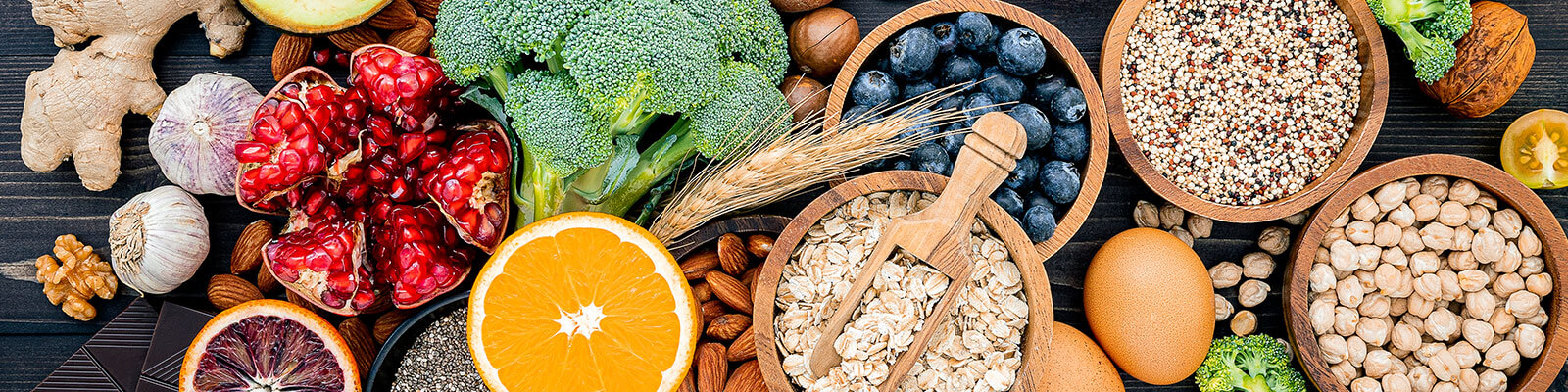




Article Summary
- Eating certain foods may increase your prostate symptoms. Eating others can significantly improve the problem.
- To avoid prostatic disease (prostatic hyperplasia, prostate inflammation, and cancer), you should avoid processed meat, dairy, and sugary foods.
- If you already have an enlarged prostate, you could have fewer symptoms by consuming less alcohol, spicy foods, and coffee.
By the time a man reaches 60, there’s roughly a 50% chance he’s living with some degree of benign prostatic hyperplasia (BPH). That figure rises to 80 to 90% among men over 70. So if you’re wondering what foods help shrink the prostate, you’re asking the right question at the right time, and you’re nowhere near alone in asking it.
Diet can’t replace medical care. But the evidence increasingly shows it can influence prostate inflammation, urinary symptoms, and possibly how fast the prostate grows.
Foods That May Help With Prostate Symptoms
The biological case for diet starts in two places: lycopene concentrates preferentially in prostate tissue (more than almost any other organ), and inflammation drives prostate inflammation. So foods that reduce overall inflammatory load and supply prostate-specific antioxidants are your main targets.
No single food will stop prostate growth on its own. Which foods help slow it? Honestly, a pattern of several anti-inflammatory, nutrient-dense foods tends to outperform any one ingredient. Evidence strength also varies: some foods have human clinical trial data behind them, while others rely on preclinical or observational support. Both types of evidence matter, but they’re labeled differently below.
What you eat affects PSA levels too. You can read more about foods that reduce PSA alongside the broader urinary picture. And for hydration, understanding what to drink for your prostate rounds out the dietary side of things.
Fatty Fish and Omega-3s
Salmon, mackerel, and sardines are the top recommendations here. Omega-3 fatty acids, EPA and DHA, suppress inflammatory cytokines, including those tied to prostate tissue changes. A prospective cohort study found associations between lycopene and omega-3 intake and prostate cancer risk, with gene expression data supporting anti-inflammatory pathways in prostate tissue. That’s human observational data, not a randomized controlled trial. Two to three servings of fatty fish per week is a reasonable, evidence-informed target.
If you want a practical starting point, a simple salmon with stir-fried vegetables meal fits this pattern and doubles as a prostate-friendly, low-carb option.
Cruciferous Vegetables Like Broccoli
Broccoli, cauliflower, Brussels sprouts, kale, and cabbage all supply sulforaphane and indoles, plant compounds that switch on cellular defense pathways and dial down inflammatory signaling. Sulforaphane has shown anti-proliferative effects in prostate cell studies, though that’s in-vitro data; human trials are still ongoing. Indoles help regulate estrogen metabolism, which matters because an estrogen-to-testosterone imbalance is one recognized driver of prostate tissue growth. Aim for at least two to three servings per week. Choosing low glycemic vegetables for prostate health is a useful extension of this principle, since blood sugar stability also plays a role in reducing systemic inflammation.
Berries and Other Antioxidant-Rich Foods
This is where lycopene becomes central. Lycopene concentrates in prostate tissue and acts as a potent antioxidant, scavenging reactive oxygen species that damage prostate cells. The urinary symptoms it may help lower include frequency, urgency, and incomplete bladder emptying, symptoms driven partly by oxidative stress and inflammation in the prostate.
Here’s the practical point on tomatoes: cooked versions are the main delivery mechanism. Heat breaks down cell walls and converts lycopene into more bioavailable cis-isomers, raising absorption significantly compared to raw tomatoes. Tomato paste and sauce work better than sliced fresh tomatoes for exactly this reason. Berries, blueberries, raspberries, pomegranate, add quercetin and anthocyanins, which carry their own anti-inflammatory profiles at the tissue level, though the evidence there is mostly preclinical or from small human trials. Incorporating anti-inflammatory foods for prostate tissue support alongside these antioxidant sources strengthens the overall dietary pattern.
Brazil nuts also deserve a mention here. They’re rich in selenium, a mineral with antioxidant properties studied in relation to prostate health, the research on Brazil nuts and the prostate is worth reviewing if you want the detail.
Green Tea
The active antioxidants in green tea are catechins, particularly epigallocatechin gallate (EGCG). EGCG operates through two relevant mechanisms: anti-inflammatory, by reducing NF-kB signaling, and anti-proliferative, by inhibiting cell growth pathways. In a 12-month randomized controlled trial, men who received green tea extract had an ASAP rate of zero out of 26 versus five out of 25 in the placebo group, meaningful human data, though sample sizes were small. Catechins reduce tissue oxidative stress and may slow abnormal cell proliferation. Two to three cups daily is the amount most commonly studied.
More detail on green tea and the prostate is available if you want to go deeper on the mechanisms.
Seeds and Nuts
Pumpkin seeds are the most studied option in this category. They’re rich in zinc, phytosterols (particularly delta-7-sterol), and healthy oils that may support normal prostate function. Healthy prostate tissue holds foods high in zinc in higher concentrations than almost any other tissue in the body, making zinc-rich choices particularly relevant here. Phytosterols inhibit 5-alpha-reductase, the enzyme that converts testosterone into dihydrotestosterone (DHT), a hormone strongly linked to prostate growth. A 2019 Journal of Medical Food study found pumpkin seed extract produced an average IPSS reduction of 30.1% over 12 weeks, a clinically meaningful result. Sesame seeds offer similar phytosterol content. For more on how pumpkin seed oil works, this breakdown covers the mechanism and available forms.
What the Research Actually Shows
No food or dietary pattern has been shown to medically shrink an already-enlarged prostate. That’s the direct, honest answer. But the research does consistently show that specific foods and nutrient-rich dietary patterns are linked to lower rates of prostate growth, less severe urinary symptoms, and reduced prostate cancer risk.
A 2025 Scientific Reports analysis tracking global BPH burden found a 122% increase in prevalent cases from 1990 to 2021, with Western dietary patterns identified as a main modifiable risk factor. A 121-study meta-analysis published in Frontiers in Nutrition found consistent associations between tomato and lycopene intake and prostate cancer outcomes; evidence for whole-food tomatoes was stronger than for isolated lycopene supplements. On lycopene and BPH specifically, the data is more limited, some trials show modest improvements in urinary symptoms, others show little effect. The honest summary: lycopene and related compounds may support prostate tissue health, but they aren’t a standalone treatment.
The strongest human-level evidence exists for: pumpkin seed extract (IPSS reduction in RCTs), green tea catechins (lesion suppression in an RCT), and Mediterranean-style dietary patterns (cohort and systematic review data). Animal and in-vitro studies support the mechanisms for cruciferous vegetables and omega-3s (but the direct human RCTs are fewer).
For a broader overview of evidence-based foods for the prostate, and specific ingredient deep-dives on lycopene, curcumin, and beta-sitosterol, these resources expand on the individual mechanisms and trial data.
Practical serving guidance: One daily serving of cooked tomato products, two to three servings of fatty fish per week, two to three cups of green tea daily, and a handful of pumpkin seeds most days covers the best-evidenced targets without overcomplicating your diet.
Foods and Drinks to Limit or Avoid
Some foods and drinks directly increase urinary urgency and frequency; others worsen the underlying inflammation driving prostate growth. Excess salt raises fluid retention and bladder pressure, making urgency worse. Excess sugar promotes insulin resistance and inflammation, which can amplify prostate symptoms. Processed foods combine both problems: high sodium, refined sugar, and pro-inflammatory trans fats in a single package. Knowing which foods irritate the bladder and urethra is just as important as knowing what to add to your plate.
Tracking what helps improve urine flow through diet can also make a noticeable difference for men with early urinary symptoms.
Red and Processed Meat
High red meat consumption is linked to prostate growth through several proposed pathways: saturated fat fuels inflammation; heterocyclic amines formed during high-heat cooking are potential carcinogens; and elevated IGF-1 signaling from animal protein may drive prostate cell proliferation. The evidence is largely observational, association, not proved causation. Processed meats carry an added burden; the International Agency for Research on Cancer classifies them as Group 1 carcinogens. Occasional red meat is unlikely to be the deciding factor, but daily processed meat consumption is a different picture. Certain foods that kill testosterone and disrupt androgen balance can also compound the hormonal pressures that influence prostate tissue changes. The full case on red meat and prostate cancer risk lays out what researchers currently know.
High-Fat Dairy
The proposed mechanism linking high-fat dairy to prostate symptom worsening involves two factors: saturated fat content (pro-inflammatory) and hormonal compounds naturally present in dairy that may influence androgen pathways. Research is mixed. Some cohort studies find higher dairy intake associated with increased prostate cancer risk; others find no association. So treat this as a “limit, don’t eliminate” category rather than a hard ban, and be honest with yourself about portion sizes.
Alcohol and Caffeine
Caffeine acts as a bladder irritant in men with an enlarged prostate. It ramps up detrusor muscle activity, raising urgency and frequency even at moderate intake. Alcohol works through a dual mechanism: it’s a diuretic that increases urine production and a direct bladder irritant. Both effects worsen nighttime urination and urgency in men already managing BPH symptoms. And caffeine and alcohol affect urinary function independently, combining them on the same day compounds the problem. You don’t necessarily have to give up coffee entirely; timing and quantity matter. The detailed picture on coffee and prostate health is worth reading before you cut it out completely.
How Diet Fits Into Prostate Health
Diet is one lever, not the only one. Exercise lowers inflammatory markers independently of what you eat; stress management reduces cortisol, which interacts with androgen balance; and adequate hydration, spread through the day rather than front-loaded, keeps urinary symptoms manageable without triggering nighttime urgency. All of these work through the same thread: reducing systemic inflammation that connects directly to prostate inflammation.
Following an enlarged prostate diet means emphasizing whole foods and limiting inflammatory ones. Herbal options like saw palmetto and other herbs studied for BPH add another layer, and natural bladder support strategies can complement dietary changes for urinary symptoms.
Whole foods vs. supplements: Whole foods consistently outperform isolated supplements in clinical research. Lycopene from tomato paste beats lycopene capsules; catechins from brewed green tea have better bioavailability data than many powdered extracts. Supplements may fill gaps, but they don’t replace the full matrix of compounds a whole food delivers.
One note on interactions: if you’re on anticoagulants like warfarin, high-dose omega-3s from fish oil can increase bleeding risk. High-dose green tea extract may also interact with certain drugs metabolized by the liver. These aren’t reasons to avoid these foods in normal dietary amounts, but if you’re on prescription medications, mention any major dietary changes to your doctor. A 2020 study on whole tomato food supplements for BPH also flagged the importance of monitoring in men on active medication regimens.
The global rise in BPH cases makes dietary prevention more relevant than ever, but it’s always a complement to medical care (not a replacement).
When to See a Urologist
Diet is a reasonable first step. It’s not a substitute for getting evaluated. See a urologist promptly if you notice any of the following:
- Complete inability to urinate (urinary retention)
- Blood in your urine or semen
- Pain or burning during urination that doesn’t resolve
- Severe pelvic pain
- Urinary symptoms that come on suddenly or worsen quickly
- Unexplained weight loss alongside urinary changes
These can signal something beyond what dietary changes can address, including prostate cancer, infection, or bladder dysfunction. Many men delay this conversation because it feels uncomfortable. But catching something early expands every treatment option available, and a routine check-up is genuinely low stakes compared to what you’re potentially avoiding.
This article is informational and is not a substitute for professional medical advice. If you have questions about your prostate health, talk to your doctor or a urologist.
Frequently Asked Questions
Can diet alone shrink an enlarged prostate, or do you need medical treatment?
Diet alone hasn’t been shown to measurably shrink an already-enlarged prostate. What it can do is slow further growth, reduce inflammation, and ease urinary symptoms. Men with moderate to severe BPH often need medication or procedural treatment alongside dietary changes, not instead of them.
How long does it usually take to notice changes in prostate symptoms after changing your diet?
Most men who notice symptom improvement report changes after six to twelve weeks of consistent dietary adjustments. That’s the timeframe seen in pumpkin seed extract trials. Cutting caffeine and alcohol can reduce urinary urgency within days, that’s the fastest feedback most men get.
Are there any foods that actually make prostate symptoms worse besides the ones mentioned?
Yes. Spicy foods can irritate the bladder directly and worsen urgency. Artificial sweeteners have been associated with bladder sensitivity in some individuals. Excess caffeine (coffee, energy drinks, some teas) and alcohol are the most consistent drivers of worsened urgency and nocturia (the evidence for these is clear). High sodium and high-sugar processed foods worsen both inflammation and bladder pressure over time, compounding symptoms in men with BPH.
Conclusion
What foods are good for shrinking the prostate? The most accurate answer is this: no single food shrinks it, but cooked tomatoes, fatty fish, cruciferous vegetables, green tea, and pumpkin seeds are the best-evidenced options for supporting prostate tissue health and easing urinary symptoms. Cutting red and processed meat, excess dairy fat, alcohol, and caffeine removes the main dietary drivers of inflammation and bladder irritation. Diet works best as part of a broader approach that includes exercise, adequate hydration, and regular medical check-ins, so talk to your healthcare provider about what’s right for your situation.
This article is for informational purposes only and does not serve as medical advice. The details provided here are not a replacement for, and should never be depended upon as, professional medical advice. Always consult your physician regarding the potential risks and benefits of any treatment.
Dr. Howard Tay
MD, FACS, Board-Certified Urologist
Dr. Howard Tay, MD, FACS, is a board-certified urologist in Arizona with 25+ years of experience, recognized as a “Top Doc” by Phoenix Magazine.
Our Medical Review Process
At Ben’s Natural Health, we are committed to maintaining the highest standards of accuracy, transparency, and scientific integrity. Every piece of content is carefully developed by medical professionals and undergoes a thorough review every 12 to 24 months. This ensures that our information remains current, reliable, and rooted in credible, evidence-based research. We reference only peer-reviewed studies from reputable medical journals, providing full citations and direct links to enhance trust and confidence. Learn more about our medical review process and research standards.
Our Editorial Guidelines
For over 25 years, Ben’s Natural Health has been a trusted source of scientifically backed, reliable health information. Our editorial guidelines uphold the highest quality and integrity for every article we publish. Each piece is written by qualified experts and undergoes independent quality checks. We prioritize transparency by clearly displaying contributor credentials and biographies at the beginning of every article. Read more about our editorial standards.
Medical Disclaimer
The content on this blog is for informational purposes only and should not be considered a substitute for professional medical advice, diagnosis, or treatment. While our articles are authored and reviewed by licensed medical professionals, they may not address your specific health concerns. Always consult a qualified healthcare provider before making any medical decisions.
Article Sources
- Qizhou Mo, Fengyi Wang, Haiqi Liang, Yujian Li, Min Qin, & Jiwen Cheng (2025). Tracking and analysis of benign prostatic hyperplasia and prostate cancer burden globally: 1990–2021 epidemiological trends. Translational Andrology and Urology, 14(3), 76478-76778. https://doi.org/10.21037/tau-2025-12
- Michael Ng, Stephen W. Leslie, & Krishna M. Baradhi (2024). Benign Prostatic Hyperplasia. https://www.ncbi.nlm.nih.gov/books/NBK558920/
- López-Solís R, Castro-Barquero S, Donat-Vargas C, Corrado M, Arancibia-Riveros C, Martínez-González MÁ, et al. (2025). Lycopene intake and prostate cancer risk in men at high cardiovascular risk: a prospective cohort study. BMC medicine, 23(1), 627. https://doi.org/10.1186/s12916-025-04440-0
- Magbanua MJ, Roy R, Sosa EV, Weinberg V, Federman S, Mattie MD, et al. (2011). Gene expression and biological pathways in tissue of men with prostate cancer in a randomized clinical trial of lycopene and fish oil supplementation. PloS one, 6(9), e24004. https://doi.org/10.1371/journal.pone.0024004
- Kumar NB, Pow-Sang J, Spiess PE, Park J, Salup R, Williams CR, et al. (2016). Randomized, placebo-controlled trial evaluating the safety of one-year administration of green tea catechins. Oncotarget, 7(43), 70794-70802. https://doi.org/10.18632/oncotarget.12222
- Martin Leibbrand, Simone Siefer, Christiane Schön, Tania Perrinjaquet-Moccetti, Albert Kompek, Anca Csernich, et al. (2019). Effects of an Oil-Free Hydroethanolic Pumpkin Seed Extract on Symptom Frequency and Severity in Men with Benign Prostatic Hyperplasia: A Pilot Study in Humans. Journal of medicinal food, 22(6), 551-559. https://doi.org/10.1089/jmf.2018.0106
- Chen, Xin, Yang, Siyuan, He, Zhangxin, Chen, Zihao, Tang, Xinling, Lin, Yuxin, et al. (2025). Comprehensive analysis of the global, regional, and national burden of benign prostatic hyperplasia from 1990 to 2021. Scientific Reports, 15(1), 5644. https://doi.org/10.1038/s41598-025-90229-3
- Arghavan Balali, Kimia Fathzadeh, Gholamreza Askari, & Omid Sadeghi (2025). Dietary intake of tomato and lycopene, blood levels of lycopene, and risk of total and specific cancers in adults: a systematic review and dose–response meta-analysis of prospective cohort studies. Frontiers in Nutrition, 12, 1516048. https://doi.org/10.3389/fnut.2025.1516048
- Hitendra RH Patel Does Oral Lycopene Reduce Benign Prostate Enlargement/Hyperplasia (BPE/BPH)?. Oncology & Cancer Case Reports, 2(1), 1-4. https://doi.org/10.4172/2471-8556.1000108
- Cormio, Luigi, Calò, Beppe, Falagario, Ugo, Iezzi, Manuela, Lamolinara, Alessia, Vitaglione, Paola, et al. (2021). Improvement of urinary tract symptoms and quality of life in benign prostate hyperplasia patients associated with consumption of a newly developed whole tomato-based food supplement: a phase II prospective, randomized double-blinded, placebo-controlled study. Journal of Translational Medicine, 19(1), 24. https://doi.org/10.1186/s12967-020-02684-3
- https://www.urotoday.com/recent-abstracts/men-s-health/bph-benign-prostatic-enlargement/158517-global-regional-and-national-burden-of-benign-prostatic-hyperplasia-from-1990-to-2021-and-projection-to-2035.html
Article Update History
Reviewer:
Created on May 18, 2021
Explore More

Candida Diet: Foods To Eat and Avoid With A Yeast Infection
A yeast infection occurs when the yeast (fungus) Candida albicans becomes overgrown, which leads to uncomfortable symptoms like genital itching, burning while peeing or ...