10 Foods To Prevent An Enlarged Prostate




Article Summary
- Prostate enlargement prevention is better than treating the problem with transurethral resection and other types of surgery.
- Even when the case is not severe, an enlarged prostate causes urinary flow problems and uncomfortable symptoms similar to those experienced in a urinary tract infection.
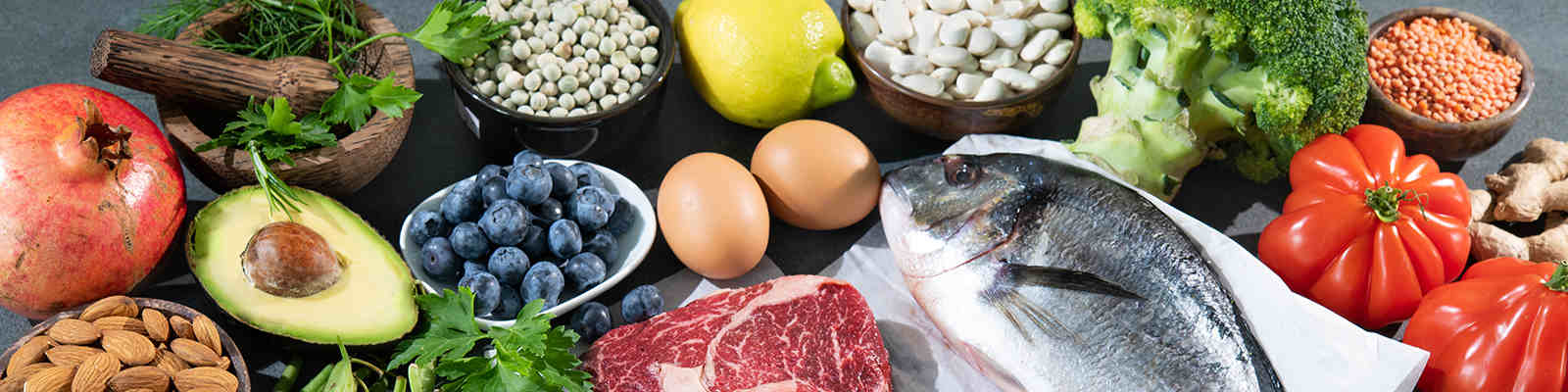
- The top 10 foods to prevent prostate enlargement include tomato, sesame seeds, bell peppers, salmon, avocados, tofu, spinach, broccoli, onion/garlic, and turmeric.
Millions of men past 45 quietly struggle with nighttime bathroom runs, a sluggish urine stream, and a persistent sense that their bladder never fully empties. An enlarged prostate, benign prostatic hyperplasia, or BPH, is usually the culprit. What you eat each day plays a real, if modest, role in supporting prostate health; every one of the 10 foods to prevent an enlarged prostate covered here has genuine research behind it.
What Is an Enlarged Prostate and Why Does Diet Matter?
BPH is a non-cancerous overgrowth of prostate tissue that affects most men as they get older. A 2025 analysis found 80 to 90% BPH prevalence in men over 70, and a meta-analysis of 32 studies across 25 countries estimated 26.20% lifetime BPH prevalence globally. According to a 2025 burden-of-disease study, global BPH cases grew 122% between 1990 and 2021, a rise driven largely by an aging population.
The primary driver of prostate growth is dihydrotestosterone (DHT), a hormone produced when the enzyme 5-alpha reductase converts testosterone into DHT. Blocking or modulating that conversion is a key target for both medications and, to a lesser degree, certain dietary compounds. Diet can’t cure BPH or guarantee its prevention, and nothing here replaces medical advice. What it can do is point you toward whole foods that support healthy hormonal and urinary function, grounded in the best available evidence.
Foods That Support Prostate Health
Current research identifies ten foods with the strongest ties to prostate health support. Serving sizes and preparation notes appear under each food below. A few others deserve a quick mention: avocados and other plant-sterol-rich foods may support normal hormone metabolism, and beans, lentils, and plant-based proteins supply fiber and phytonutrients linked to lower inflammation, which matters because chronic inflammation is a known contributor to prostate tissue growth.
Garlic is worth including too. Its active compound allicin has been studied for potential protective effects on prostate cancer risk. Turmeric’s curcumin compound has drawn attention in early research for anti-inflammatory properties relevant to prostate tissue.
Fatty Fish and Omega-3s
Salmon, mackerel, sardines, and trout are the main dietary sources of EPA (eicosapentaenoic acid) and DHA (docosahexaenoic acid), the two omega-3 fatty acids most relevant to prostate health. These fats help dial down inflammation by competing with pro-inflammatory compounds in tissue, and omega-3 fatty fish anti-inflammatory effects extend beyond the cardiovascular system to prostate tissue as well. Prostate tissue is sensitive to inflammatory signals, so reducing that inflammatory load may ease the conditions that drive prostate growth. Aim for two 3 to 4 ounce servings per week. Grilled or baked fish keeps omega-3 content intact; deep-frying largely cancels the benefit by introducing oxidized fats.
Cruciferous Vegetables
Broccoli, cauliflower, Brussels sprouts, kale, and their relatives all contain sulforaphane, a plant compound formed when glucosinolates meet the enzyme myrosinase. Sulforaphane supports the body’s cellular defenses by switching on detoxification pathways that shield cells from oxidative damage. Antioxidants and phytonutrients that neutralize cell-damaging free radicals may slow the tissue changes tied to BPH. Light steaming preserves glucosinolate content far better than boiling does. The range of cruciferous vegetables is wider than most people realize, making it easy to keep this food group varied.
Berries and Antioxidants
Blueberries, strawberries, raspberries, and pomegranates pack anthocyanins, ellagic acid, and vitamin C, compounds that scavenge free radicals capable of damaging prostate cells over time. Pomegranates deserve a specific callout: they contain ellagitannins, which gut bacteria convert to urolithins, and those urolithins have shown anti-proliferative activity on prostate cells in early studies. Fresh and frozen berries are nutritionally comparable for antioxidant content, so frozen works fine year-round. One cup daily fits without effort into most meal plans.
Green Tea
Green tea’s primary active polyphenol is epigallocatechin gallate (EGCG). Preclinical research found that EGCG ameliorated prostatic hyperplasia and collagen deposition in a testosterone-induced animal model of BPH, and it may also reduce angiogenesis-related growth factors in prostate tissue. A randomized placebo-controlled trial on green tea catechins found favorable effects on prostate biomarkers. Most evidence is still observational or preclinical; clinical RCTs in BPH populations remain limited. But two to three cups per day carries little risk for most men and may offer genuine benefit. The full picture on green tea and the prostate goes deeper than many expect.
Seeds and Nuts
Pumpkin seeds stand out mechanistically. They contain zinc, phytosterols, and cucurbitin, compounds that may block the 5-alpha reductase enzyme responsible for converting testosterone to DHT. Reducing DHT production is the same pathway targeted by prescription BPH medications like finasteride, though dietary intake is far more modest in effect. A small handful (around one ounce) daily is a practical serving. Pumpkin seed oil has been studied specifically for urinary symptom improvement in men with BPH.
Brazil nuts are the single richest dietary source of selenium, a mineral tied to antioxidant defense and studied in relation to prostate disease risk. Two to three Brazil nuts daily covers selenium needs, but stop there. High-dose selenium supplementation has actually shown an increased risk of prostate cancer in well-supplemented men. More isn’t better. Brazil nuts for prostate health require real moderation; the safety signal is genuine.
Tomatoes and Lycopene
Lycopene is the carotenoid that gives tomatoes their red color, and it’s one of the most studied dietary compounds for prostate health. Research in the Journal of Nutrition found lycopene may inhibit BPH progression, and a 2024 review at IOMC World assessed whether oral lycopene reduces prostate enlargement. Lycopene supports prostate cell health through antioxidant activity, inhibition of cell-cycle progression, and modulation of growth factor signaling. The full picture on lycopene and the prostate includes evidence on bioavailability. Cooked tomato products (tomato sauce, paste) deliver more absorbable lycopene than raw tomatoes because heat breaks down the cell wall and releases cis-isomers. And cooking in olive oil increases absorption further.
More information on lycopene benefits for men covers the broader antioxidant picture.
How Diet Affects an Enlarged Prostate
Diet influences BPH through three intersecting pathways. First, chronic low-grade inflammation promotes prostate tissue growth; an anti-inflammatory diet for prostate support emphasizes whole foods, healthy fats, and plant diversity that collectively reduce this stimulus. Second, insulin resistance and prostate growth are linked through elevated circulating insulin and growth factors that stimulate prostate cells, a dynamic worsened by diets heavy in refined carbohydrates and processed foods. Third, diet shapes the hormonal environment, particularly estrogen and hormone metabolism in BPH, influencing how much estrogen and DHT circulate relative to testosterone.
A 2022 randomized trial published in Frontiers in Nutrition found that combined lycopene and FruHis (a tomato-derived compound) improved both laboratory and clinical parameters in BPH patients. Diet almost certainly can’t completely prevent or cure BPH, but a pattern of foods associated with prostate health keeps turning up in the literature as protective. A 2025 meta-analysis linking lycopene to prostate outcomes drew on data from multiple cohort studies to reinforce these findings. For a broader look at foods good for shrinking the prostate, the overlap with anti-inflammatory eating is hard to miss.
Foods and Drinks to Limit
Some foods consistently show up in research as worsening BPH symptoms or feeding the inflammation that drives prostate growth. Processed meats, sausages, hot dogs, cured meats, are linked to higher prostate cancer risk and likely worsen the pro-inflammatory environment relevant to BPH as well. Red meat and prostate risk is real but dose-dependent; an occasional unprocessed cut is very different from daily processed meat consumption.
Full-fat dairy may influence prostate health through hormonal signaling effects. Dairy and prostate cancer risk isn’t fully settled, but caution around large daily quantities is consistent across several studies, including a prospective cohort study. Alcohol worsens urinary symptoms directly and adds inflammatory load. Caffeine and the prostate is complicated: coffee’s effects on prostate cancer look largely neutral or mildly positive, but caffeine does irritate an already enlarged prostate’s bladder, worsening frequency and urgency. Refined carbohydrates, white bread, and added sugars drive insulin spikes; controlling blood sugar for prostate health is therefore a meaningful part of managing the insulin resistance pathway linked to prostate growth.
“Limit” doesn’t mean eliminate for most of these. Preparation matters too; a 2020 trial in the Journal of Translational Medicine found that whole-tomato-based foods improved urinary symptoms, reinforcing the principle that whole foods beat isolated nutrients. Steam, grill, or lightly cook whenever possible, and avoid charring, heavy frying, or heavy processing.
Building a Prostate-Friendly Eating Pattern
Individual foods matter less than the pattern they build together. A Mediterranean-style diet, rich in fish, vegetables, legumes, olive oil, and whole grains, with limited red meat and processed food, fits well with the evidence on prostate health. Physical activity reduces circulating inflammatory markers and supports weight management, which in turn lowers the insulin resistance that feeds prostate growth. Staying well hydrated, roughly 6 to 8 glasses of water daily, supports urinary flow too.
Men eating a typical Western diet who shift toward a whole-food pattern may notice changes in urinary symptoms over weeks to months, though results vary. Younger men in their 40s and 50s stand to gain the most from early dietary changes; prostate growth is gradual, and dietary influence is greatest before significant enlargement has set in. For managing overactive bladder symptoms alongside diet changes, specific adjustments can help there too. An enlarged prostate diet plan and guidance on herbs for enlarged prostate round out the natural options worth discussing with your doctor, and some men find that natural tips for bladder problems paired with dietary changes deliver the most noticeable improvement.
When to See a Doctor About Prostate Symptoms
Diet is a supportive strategy, not a medical treatment. Certain symptoms need a doctor’s evaluation promptly.
See a healthcare provider if you experience:
- Inability to urinate or significant urinary retention
- Blood in urine or semen
- Pain or burning with urination
- A rapidly worsening urine stream over days or weeks
- Pelvic or lower back pain
BPH with moderate-to-severe symptoms, an International Prostate Symptom Score of 8 or higher, typically requires medical assessment and may need medication or a procedure. Dietary changes don’t match or replace those treatments. A 2025 study examining tomato-soy dietary interventions on BPH biomarkers confirms that diet can shift inflammatory markers, but it can’t substitute for clinical management of significant obstruction.
One practical safety note: selenium-rich foods like Brazil nuts may interact with anticoagulants. If you’re on blood thinners or any prostate medication, speak with your prescribing physician before making major dietary changes.
Frequently Asked Questions
Can I eat eggs if I have an enlarged prostate?
Eggs aren’t strongly associated with BPH in current evidence, and most men with an enlarged prostate can eat them in moderation without concern. The bigger dietary risk factors for BPH symptoms are processed meats, excessive full-fat dairy, and high intake of refined carbohydrates. If eggs are part of an otherwise balanced, whole-food diet, they’re unlikely to make prostate symptoms worse.
How long does it take to see prostate health improvements from diet changes?
Urinary symptoms may start to improve over weeks to a few months with consistent dietary changes, though individual results vary. Lycopene, for instance, begins accumulating in prostate tissue after roughly three weeks of daily tomato-product consumption, per clinical review data. Diet works slowly and cumulatively, don’t expect dramatic shifts in days, and always discuss persistent or worsening symptoms with your doctor.
Is there a difference between fresh tomatoes and tomato sauce for prostate health?
Yes. Cooked tomato products like tomato paste and sauce deliver significantly more bioavailable lycopene than raw tomatoes. Heat breaks down cell walls and converts lycopene into cis-isomers that absorb more readily, especially when cooked with a little olive oil. Two tablespoons of tomato paste provide more usable lycopene than several raw tomatoes, making cooked tomatoes the better choice for prostate support.
Conclusion
These 10 foods to prevent an enlarged prostate form a practical, evidence-backed foundation for prostate-friendly eating. None of them cures BPH, and no dietary change replaces medical care when symptoms are significant. But a consistent pattern built around tomatoes, fatty fish, cruciferous vegetables, berries, green tea, pumpkin seeds, Brazil nuts (in moderation), garlic, soy, and olive oil targets the inflammation, hormonal balance, and oxidative stress that contribute to prostate tissue growth. Talk with your healthcare provider before making major dietary changes, especially if you’re already managing BPH or taking medication. Small, sustainable shifts made early tend to matter most.
This article is for informational purposes only and does not serve as medical advice. The details provided here are not a replacement for, and should never be depended upon as, professional medical advice. Always consult your physician regarding the potential risks and benefits of any treatment.
Dr. Howard Tay
MD, FACS, Board-Certified Urologist
Dr. Howard Tay, MD, FACS, is a board-certified urologist in Arizona with 25+ years of experience, recognized as a “Top Doc” by Phoenix Magazine.
Our Medical Review Process
At Ben’s Natural Health, we are committed to maintaining the highest standards of accuracy, transparency, and scientific integrity. Every piece of content is carefully developed by medical professionals and undergoes a thorough review every 12 to 24 months. This ensures that our information remains current, reliable, and rooted in credible, evidence-based research. We reference only peer-reviewed studies from reputable medical journals, providing full citations and direct links to enhance trust and confidence. Learn more about our medical review process and research standards.
Our Editorial Guidelines
For over 25 years, Ben’s Natural Health has been a trusted source of scientifically backed, reliable health information. Our editorial guidelines uphold the highest quality and integrity for every article we publish. Each piece is written by qualified experts and undergoes independent quality checks. We prioritize transparency by clearly displaying contributor credentials and biographies at the beginning of every article. Read more about our editorial standards.
Medical Disclaimer
The content on this blog is for informational purposes only and should not be considered a substitute for professional medical advice, diagnosis, or treatment. While our articles are authored and reviewed by licensed medical professionals, they may not address your specific health concerns. Always consult a qualified healthcare provider before making any medical decisions.
Article Sources
- Michael Ng, Stephen W. Leslie, & Krishna M. Baradhi (2024). Benign Prostatic Hyperplasia. https://www.ncbi.nlm.nih.gov/books/NBK558920/
- Qizhou Mo, Fengyi Wang, Haiqi Liang, Yujian Li, Min Qin, & Jiwen Cheng (2025). Tracking and analysis of benign prostatic hyperplasia and prostate cancer burden globally: 1990–2021 epidemiological trends. Translational Andrology and Urology, 14(3), 76478-76778. https://doi.org/10.21037/tau-2025-12
- Wei H, Zhu C, Huang Q, Yang J, Li YT, Zhang YG, et al. (2025). Global, regional, and national burden of benign prostatic hyperplasia from 1990 to 2021 and projection to 2035. BMC urology, 25(1), 34. https://doi.org/10.1186/s12894-025-01715-9
- Zhou J, Lei Y, Chen J, & Zhou X (2018). Potential ameliorative effects of epigallocatechin‑3‑gallate against testosterone-induced benign prostatic hyperplasia and fibrosis in rats. International immunopharmacology, 64, 162-169. https://doi.org/10.1016/j.intimp.2018.08.038
- https://aacrjournals.org/cancerpreventionresearch/article/8/10/879/113064/Randomized-Placebo-Controlled-Trial-of-Green-Tea
- https://jn.nutrition.org/article/S0022-3166%2822%2909503-7/fulltext
- https://www.iomcworld.org/open-access/does-oral-lycopene-reduce-benign-prostate-enlargementhyperplasia-bpebph-45498.html
- Sadeghi, Alireza, Saedisomeolia, Ahmad, Jalili-Baleh, Leili, Khoobi, Mehdi, Soleimani, Mohammad, Fakhr Yasseri, Ali Mohammad, et al. (2022). FruHis significantly increases the anti-benign prostatic hyperplasia effect of lycopene: A double-blinded randomized controlled clinical trial. Frontiers in Nutrition, 9, 1011836. https://doi.org/10.3389/fnut.2022.1011836
- Viña I, & Viña JR (2025). Association of Lycopene and Male Reproductive Health: Systematic Review and Meta-Analysis. International journal of molecular sciences, 26(15). https://doi.org/10.3390/ijms26157224
- Balali A, Fathzadeh K, Askari G, & Sadeghi O (2025). Dietary intake of tomato and lycopene, blood levels of lycopene, and risk of total and specific cancers in adults: a systematic review and dose-response meta-analysis of prospective cohort studies. Frontiers in nutrition, 12, 1516048. https://doi.org/10.3389/fnut.2025.1516048
- Cormio, Luigi, Calò, Beppe, Falagario, Ugo, Iezzi, Manuela, Lamolinara, Alessia, Vitaglione, Paola, et al. (2021). Improvement of urinary tract symptoms and quality of life in benign prostate hyperplasia patients associated with consumption of a newly developed whole tomato-based food supplement: a phase II prospective, randomized double-blinded, placebo-controlled study. Journal of Translational Medicine, 19(1), 24. https://doi.org/10.1186/s12967-020-02684-3
- https://www.medrxiv.org/content/10.1101/2025.09.11.25334465v1.full.pdf
Article Update History
Reviewer:
Created on August 19, 2021
Explore More

Prostatitis Statistics: Key Facts and Insights in 2026
Prostatitis, an inflammatory condition of the prostate gland, remains a key health concern worldwide. In 2026, a deeper understanding of its prevalence, types, diagnosis, ...