7 Warning Symptoms of Prostatitis: Recognize Them Early





Article Summary
- Prostatitis refers to the inflammation of the prostate gland. It is an inflammatory process mediated by substances and cells that infiltrate the prostate.
- Pain symptoms are often referred to as the pelvic area and the groin, sometimes triggered by ejaculation or sex.
- Fever and chills are another symptoms, especially in very severe cases.
Prostatitis is one of the most common reasons men visit a urologist, and one of the most misunderstood. Knowing the 7 warning symptoms of prostatitis early can make the difference between a straightforward antibiotic course and months of chronic pain.
What Is Prostatitis and Why Does It Matter?
Prostatitis is inflammation, infection, or pain of the prostate gland, the walnut-sized organ sitting just below the bladder that produces fluid for semen. It ranks among the most common urological conditions in men, and a 2025 JAMA review found it affects 9.3% of men affected in their lifetime. Broader estimates push that figure considerably higher, with some research citing 25% to 50% of men over their lifetime.
Per prostatitis statistics, it’s the most common urological diagnosis in men under 50. The condition shows up in four distinct forms: acute bacterial, chronic bacterial, chronic pelvic pain syndrome (CP/CPPS), and asymptomatic inflammatory. Each form carries its own symptom profile and level of urgency. Knowing which pattern matches your experience is exactly why symptom awareness counts.
What Causes Prostatitis? The Inflammatory Mechanisms Behind It
Bacterial prostatitis happens when bacteria reach the prostate via three main routes: ascending urethral infection, reflux of infected urine into prostatic ducts, or spread from a nearby rectal infection. Gram-negative bacteria, Escherichia coli most often, account for 80% to 97% of acute bacterial cases, according to a 2025 JAMA review.
Once bacteria enter the gland, your immune system responds by releasing pro-inflammatory cytokines, including interleukin-1β (IL-1β), IL-6, and tumor necrosis factor-alpha (TNF-α). Those cytokines cause the swelling and tissue irritation that generate local symptoms, burning urination and pelvic pressure, while also triggering the flu-like response you’d feel with any serious infection.
CP/CPPS is trickier. No bacteria are found on culture, yet inflammation persists. Research on stress and prostatitis suggests the nervous system plays a role, with pelvic floor tension and central sensitization contributing to pain. A 2025 meta-analysis in Medicina and a systematic review in PMC both confirm that CP/CPPS carries a heavy quality-of-life burden precisely because the mechanisms are multi-layered and poorly understood.
What Are the 7 Warning Symptoms of Prostatitis
These seven symptoms cut across pain, urinary function, and sexual health. They don’t all show up at once. The category of prostatitis you have determines which ones take center stage.
Painful or burning urination
Dysuria – pain or burning during urination – is one of the most reliable early signs. The prostate wraps around the urethra, and when it swells, it irritates the urethral lining with every pass of urine. You might feel a sharp burn at the start of urination, a dull ache throughout, or lingering discomfort at the tip of the penis after you’ve finished. This burning during urination can be mild enough to blame on dehydration, which is precisely why so many men wait too long before getting checked. Men who also notice a burning sensation after ejaculating should flag that pattern specifically to their doctor, as it may point to prostatic involvement rather than a simple urinary tract infection.
Pelvic and lower-back pain
Pain in prostatitis rarely stays in one place. The perineum – the area between your scrotum and rectum – is the classic site, typically described as a dull ache, pressure, or sharp stabbing that gets worse when sitting. Inflammation activates the same spinal nerve pathways that serve the lower back, groin, and testicles, so referred pain in those regions is common. Prostatitis and lower back pain are closely linked: the L1-L2 dermatomes supplying the prostate also innervate the lumbar region, which explains why some men feel it more in their back than their pelvis. Testicular aching with no underlying testicular pathology is another form of referred pain worth mentioning to your doctor. NSAIDs for pelvic and perineal pain are commonly recommended as a first-line option to reduce inflammation-driven discomfort in this region.
Frequent urge to urinate
Prostate swelling presses on the bladder and urethra, cutting functional bladder capacity and triggering urgency even when the bladder isn’t full. More than eight urinations in a 24-hour period is clinically considered increased daytime frequency; waking twice or more per night to urinate – a pattern called nocturia – is another threshold worth noting. The urge can strike suddenly and be hard to suppress, disrupting work, sleep, and daily routines.
Weak or interrupted urine stream
A swollen prostate narrows the urethral channel, so urine flow turns slow, starts and stops, or requires straining just to begin. Around 10% of men with acute bacterial prostatitis develop complete urinary retention – the inability to urinate at all – which is a medical emergency. Even short of that, a noticeably weaker stream that’s changed recently warrants evaluation. Urinary hesitancy combined with incomplete bladder emptying can set off recurrent urinary tract infections if left unaddressed.
Pain during or after ejaculation
The prostate plays a central role in producing seminal fluid, and when it’s inflamed, muscle contractions during ejaculation can trigger pain – either during orgasm, right afterward, or as a lingering ache in the perineum for hours. Prostate pain after ejaculation is particularly common in CP/CPPS and can persist for several hours, reinforcing the cycle of avoidance and reduced sexual activity that worsens overall wellbeing. Prostatitis and erectile dysfunction are linked because persistent ejaculatory pain suppresses libido and, over time, may contribute to difficulty maintaining erections. Some men also notice hematospermia – blood in the ejaculate, which sounds alarming but is often a benign result of inflamed prostatic tissue. Any unusual penile or ejaculatory changes are worth reporting to a urologist, particularly if they persist beyond one or two episodes.
Fever and flu-like symptoms
High fever, 38°C (100.4°F) or above, combined with chills, muscle aches, nausea, and general malaise almost always points to acute bacterial prostatitis, not the chronic forms. This happens because the same cytokines driving local prostate inflammation, IL-6 and TNF-α, act on the hypothalamus to raise body temperature and trigger sickness behavior. Chronic and non-bacterial forms rarely cause fever. So if the urinary symptoms come on abruptly alongside a high temperature, treat that combination as urgent. It may require IV antibiotics and hospital monitoring.
Painful bowel movements
Because the prostate sits directly in front of the rectum, a significantly inflamed gland can produce rectal pressure, discomfort during bowel movements, or pain that worsens with straining. This symptom’s more common in acute bacterial prostatitis, where the gland may be visibly swollen on digital rectal exam. Men often chalk this up to hemorrhoids or constipation and hold off on seeking evaluation. But if rectal discomfort tracks alongside any urinary symptoms, prostatitis is worth ruling out.
Understanding the Types of Prostatitis
The NIH classification divides prostatitis into four categories. Which category applies shapes both which symptoms appear and how they’re treated.
Acute bacterial prostatitis
This is the most straightforward category, a bacterial infection with abrupt onset. Acute prostatitis typically brings fever, severe dysuria, pelvic pain, and urinary obstruction all at once. It’s the form most likely to land a man in the emergency room, and it’s also the most treatable with a full antibiotic course.
Chronic bacterial prostatitis
Bacterial prostatitis that persists or keeps coming back over months falls into this category. Symptoms resemble the acute form but run milder, often with recurrent urinary tract infections caused by the same organism. Treatment with antibiotics is longer – typically four to six weeks – and relapse rates are higher because bacteria can form biofilms inside the gland.
Chronic pelvic pain syndrome
CP/CPPS is the most prevalent category, accounting for most prostatitis diagnoses. Chronic prostatitis in this form involves persistent pelvic pain for three months or more without a bacterial cause. No single treatment works for everyone. Emerging research suggests that psychosomatic factors, chronic stress, central nervous system sensitization, pelvic floor dysfunction, may contribute to Category III, though the evidence is still building and should be interpreted with caution. Mindfulness-based approaches and stress management for chronic prostatitis have gained attention as adjuncts that may help regulate the nervous system responses implicated in CP/CPPS flares. Chronic prostatitis generates an estimated 2 million US outpatient visits annually, making it a major healthcare burden.
Asymptomatic prostatitis
This form is found incidentally, on a prostate biopsy or infertility workup, with no symptoms at all. It typically doesn’t require treatment unless fertility is a concern, per a 2005 Journal of Urology prevalence study and subsequent NHS clinical guidance from Nottinghamshire APC.
How Symptoms Develop and Progress
How quickly symptoms appear depends on the NIH category involved. Acute bacterial prostatitis hits fast – within hours to days – with severe, unmistakable signs. Chronic forms build slowly; a man might notice mild urinary frequency for weeks before the pelvic pain becomes impossible to ignore.
Symptom severity in CP/CPPS fluctuates. A 2020 review in PubMed noted that untreated CP/CPPS tends to wax and wane rather than resolve on its own, with flares triggered by stress, prolonged sitting, sexual activity, or dietary irritants. A 2025 PMC meta-analysis confirmed that sexual dysfunction symptoms, especially ejaculatory pain, directly compound psychological burden, creating a cycle that worsens overall quality of life.
Clinicians use the NIH Chronic Prostatitis Symptom Index (NIH-CPSI) to track progression. It’s a nine-question validated tool that measures pain (location and severity), urinary symptoms, and quality of life, with a maximum score of 43. Scores of 0 to 14 are generally mild, 15 to 29 moderate, and 30 or above severe. A six-point reduction on the scale is considered the minimum clinically meaningful improvement, so it’s not just a research instrument; it gives you and your doctor a concrete way to measure whether treatment is actually working.
When Symptoms Warrant a Doctor’s Visit
Red flags that need immediate care
Some symptoms mean same-day or emergency care. Don’t wait if you have:
- Fever of 38°C (100.4°F) or higher alongside urinary symptoms
- Complete inability to urinate (acute urinary retention)
- Severe shaking chills or signs of sepsis (rapid heart rate, confusion, very low blood pressure)
- Sudden, severe pelvic or perineal pain
These point to acute bacterial prostatitis, which can deteriorate into urosepsis if antibiotics are delayed. Non-urgent evaluation, within a few days to a week, is appropriate for persistent pelvic pain, urinary frequency, or ejaculatory discomfort without system-wide symptoms.
Why getting evaluated matters
Prostatitis symptoms overlap with several other conditions: benign prostatic hyperplasia (BPH), urinary tract infections, epididymitis, and importantly, prostatitis vs. prostate cancer. Only a proper evaluation separates them. The 2025 AUA Male Chronic Pelvic Pain Guideline and American Family Physician’s 2024 clinical overview both recommend prompt assessment when symptoms persist longer than a few days, especially if urinary obstruction is present.
How Prostatitis Is Diagnosed
A proper prostatitis diagnosis starts with a thorough history – symptom duration, urinary patterns, sexual health, and prior UTIs – followed by a physical exam. The digital rectal exam (DRE) is central: in acute bacterial prostatitis, more than 95% of patients have a tender, boggy prostate on palpation. Your doctor will also order a urinalysis and urine culture to identify the causative organism.
Expressed prostatic secretion (EPS) analysis – collecting fluid through prostatic massage and examining it under a microscope – helps identify white blood cells and bacteria in chronic forms. Transrectal ultrasound may be ordered when an abscess is suspected or when anatomy needs clearer visualization. The NIH-CPSI questionnaire serves as a standardized tool to document baseline severity and track treatment response over time. The 2025 AUA CPP Guideline PDF lays out the full diagnostic algorithm. StatPearls’ 2024 chronic prostatitis reference also covers differential diagnosis, distinguishing prostatitis from BPH, bladder cancer, and interstitial cystitis based on symptom pattern, exam findings, and lab results.
Treatment Options Your Doctor May Discuss
Antibiotics for bacterial forms
Fluoroquinolones – ciprofloxacin or levofloxacin – are first-line for bacterial prostatitis because they penetrate prostate tissue well. Acute bacterial prostatitis typically needs two to four weeks of treatment; chronic bacterial prostatitis requires four to six weeks. Your doctor will tailor the antibiotic choice based on culture sensitivities, not just presumed organisms.
Pain management and symptom relief
Alpha-blockers such as tamsulosin relax the smooth muscle around the bladder neck and urethra, easing urinary flow. NSAIDs help manage pelvic and perineal pain. For CP/CPPS, pelvic floor physical therapy has solid evidence behind it. Managing prostatitis pain is often multimodal, pairing medications with physical therapy and behavioral strategies tends to outperform any single approach. For men interested in non-antibiotic paths, treating prostatitis without antibiotics covers the available adjunct options.
A 2025 PMC clinical evaluation found pollen-extract phytotherapy to be a viable adjunct for symptom relief in CP/CPPS, and the 2025 AUA Journal treatment guideline formalizes a phenotype-directed, multimodal treatment framework as the current standard of care.
Lifestyle changes that may help
Reducing caffeine and alcohol, staying well hydrated, avoiding prolonged sitting, and warming the perineal area with a sitz bath can all ease urinary and pain symptoms between treatments. These measures don’t replace medical care, but they often reduce flare frequency.
Lifestyle and Home Measures
Several habits can cut both symptom severity and recurrence risk. Regular ejaculation has been studied as a way to relieve prostatic congestion in CP/CPPS, though the evidence remains limited. Pelvic floor relaxation exercises – the opposite of Kegel contractions – help men whose pelvic floor stays chronically tense. Anti-inflammatory dietary choices (more vegetables, less processed food) and steps to prevent prostatitis recurrence are worth weaving into daily life.
Some men also explore prostatitis supplements and natural remedies as adjuncts to conventional care. A 2025 MDPI meta-analysis comparing pharmacological and complementary interventions found that plant-based compounds showed measurable effects on CP/CPPS symptom scores across several RCTs, though effect sizes varied and more high-quality trials are still needed.
What to Expect: Recovery and Outlook
Acute bacterial prostatitis, treated promptly, clears well. Most men complete antibiotics and have minimal residual symptoms. Chronic bacterial prostatitis is more variable, prostatitis recovery can take months, and recurrence happens in a meaningful subset even after full antibiotic courses.
CP/CPPS is the hardest to predict. Some men achieve good relief with multimodal treatment; others experience a fluctuating course over years. A 2025 PubMed study on CP/CPPS etiologic mechanisms shows that outcomes improve when treatment targets the individual’s dominant symptom cluster (pain, urinary, or sexual dysfunction) rather than using a one-size-fits-all protocol. Alternative and complementary therapies, including acupuncture and pollen extracts, have some supporting clinical evidence for symptom relief, though none should be framed as curative. Be honest with yourself about timelines: chronic prostatitis is a condition to manage with your healthcare team over time, not something to resolve with one short treatment course.
Frequently Asked Questions
Can prostatitis go away on its own without treatment?
Acute bacterial prostatitis won’t clear up without antibiotics. Left untreated, it can progress to sepsis or abscess. CP/CPPS may fluctuate, but persistent or worsening symptoms need proper evaluation before assuming they’ll resolve on their own.
Does prostatitis always cause fever?
No. Fever is a sign of acute bacterial prostatitis but is uncommon in chronic bacterial or CP/CPPS forms. Its presence helps distinguish a bacterial infection from other subtypes and makes the situation more urgent.
Can prostatitis affect fertility?
It can. Prostatic inflammation may reduce semen quality and contribute to ejaculatory dysfunction. If you’re having trouble conceiving and have prostatitis symptoms, let your urologist know. Both issues can be addressed at the same time.
Is prostatitis the same as an enlarged prostate (BPH)?
No. They’re distinct conditions, though both affect urinary flow. BPH involves structural growth of the prostate; prostatitis involves inflammation, often without notable size increase. A DRE and urine tests help tell them apart.
How long does prostatitis treatment typically last?
Acute bacterial prostatitis calls for two to four weeks of antibiotics. Chronic bacterial prostatitis requires four to six weeks or longer. CP/CPPS treatment is ongoing and may combine medications, physical therapy, and lifestyle changes across several months.
Conclusion
The 7 warning symptoms of prostatitis – dysuria, pelvic and back pain, urinary frequency, a weak stream, ejaculatory pain, fever, and painful bowel movements – range from mild inconvenience to medical emergency depending on the form involved. Early recognition matters: acute forms respond well to antibiotics and delay raises risk, while chronic forms caught early cause far less long-term disruption. Talk to your doctor if any of these symptoms persist for more than a few days, and flag fever or urinary retention immediately.
This article is for informational purposes only and does not serve as medical advice. The details provided here are not a replacement for, and should never be depended upon as, professional medical advice. Always consult your physician regarding the potential risks and benefits of any treatment.
Dr. Howard Tay
MD, FACS, Board-Certified Urologist
Dr. Howard Tay, MD, FACS, is a board-certified urologist in Arizona with 25+ years of experience, recognized as a “Top Doc” by Phoenix Magazine.
Our Medical Review Process
At Ben’s Natural Health, we are committed to maintaining the highest standards of accuracy, transparency, and scientific integrity. Every piece of content is carefully developed by medical professionals and undergoes a thorough review every 12 to 24 months. This ensures that our information remains current, reliable, and rooted in credible, evidence-based research. We reference only peer-reviewed studies from reputable medical journals, providing full citations and direct links to enhance trust and confidence. Learn more about our medical review process and research standards.
Our Editorial Guidelines
For over 25 years, Ben’s Natural Health has been a trusted source of scientifically backed, reliable health information. Our editorial guidelines uphold the highest quality and integrity for every article we publish. Each piece is written by qualified experts and undergoes independent quality checks. We prioritize transparency by clearly displaying contributor credentials and biographies at the beginning of every article. Read more about our editorial standards.
Medical Disclaimer
The content on this blog is for informational purposes only and should not be considered a substitute for professional medical advice, diagnosis, or treatment. While our articles are authored and reviewed by licensed medical professionals, they may not address your specific health concerns. Always consult a qualified healthcare provider before making any medical decisions.
Article Sources
- Borgert BJ, Wallen EM, & Pham MN (2025). Prostatitis: A Review. JAMA, 334(11), 1003-1013. https://doi.org/10.1001/jama.2025.11499
- https://onlinelibrary.wiley.com/doi/10.1111/iju.15390
- https://doaj.org/article/e6679825d813462fa8235772416acbf0
- Alshahrani S, Fathi BA, Abouelgreed TA, & El-Metwally A (2025). Prevalence of Sexual Dysfunction with Chronic Prostatitis/Chronic Pelvic Pain Syndrome (CP/CPPS): An Updated Systematic Review and Meta-Analysis. Medicina (Kaunas, Lithuania), 61(6). https://doi.org/10.3390/medicina61061110
- Hannah J. Pendegast, Stephen W. Leslie, & Derek J. Rosario (2024). Chronic Prostatitis and Chronic Pelvic Pain Syndrome in Men. https://www.ncbi.nlm.nih.gov/books/NBK599550/
- https://www.auajournals.org/doi/10.1016/S0022-5347%2805%2966541-X
- https://www.nottsapc.nhs.uk/media/iadpoqfb/prostatitis.pdf
- Nickel JC (2020). Chronic prostatitis/chronic pelvic pain syndrome: it is time to change our management and research strategy. BJU international, 125(4), 479-480. https://doi.org/10.1111/bju.15036
- Diagnosis and Management of Male Chronic Pelvic Pain (Chronic Prostatitis/Chronic Pelvic Pain Syndrome and Chronic Scrotal Content Pain): AUA Guideline – American Urological Association. auanet.org. https://www.auanet.org/guidelines-and-quality/guidelines/male-chronic-pelvic-pain
- John C. Lam, & William Stokes (2024). Acute and Chronic Prostatitis. American Family Physician, 110(1), 45-51. https://www.aafp.org/afp/2024/0700/prostatitis
- https://www.auanet.org/documents/Guidelines/PDF/2025%20Guidelines/CPP%20Unabridged%20041025.pdf
- Marius Ivănuță, Dragoș Puia, Alin Adrian Cumpănaș, Ana-Maria Ivănuță, Veaceslav Groza, & Cătălin Pricop (2025). Clinical Evaluation of a Pollen-Extract-Based Phytotherapy Compared to Conventional Therapies in Chronic Prostatitis and Chronic Pelvic Pain Syndrome. Medical Sciences, 13(3), 186. https://doi.org/10.3390/medsci13030186
- https://www.auajournals.org/doi/10.1097/JU.0000000000004565
- https://www.mdpi.com/2227-9032/13/22/2956
- Xiyue Ma, Yongfeng Lao, Yanan Bai, Xin Guan, Jingyi Jiang, Minglu Cui, et al. (2025). Study progress of etiologic mechanisms of chronic prostatitis/chronic pelvic pain syndrome. International immunopharmacology, 148, 114128. https://doi.org/10.1016/j.intimp.2025.114128
Article Update History
Reviewer:
Created on June 23, 2020
Explore More
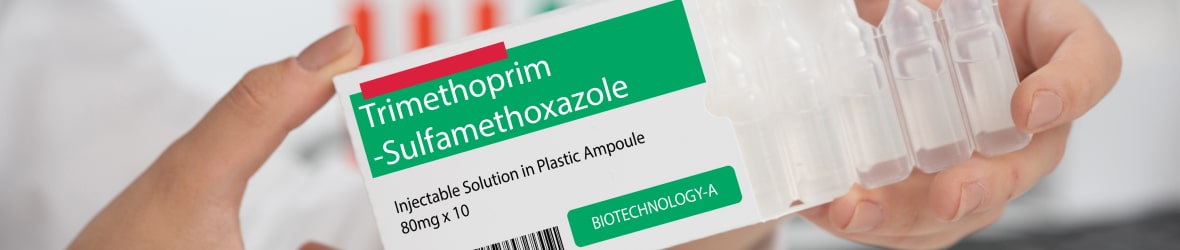
Doctor Answers: Effectiveness of Bactrim for Prostatitis
If you’ve been diagnosed with prostatitis and have been prescribed Bactrim, you might be curious about how it works and whether it’s truly effective. ...