Can You Drink Alcohol When Taking Ozempic?
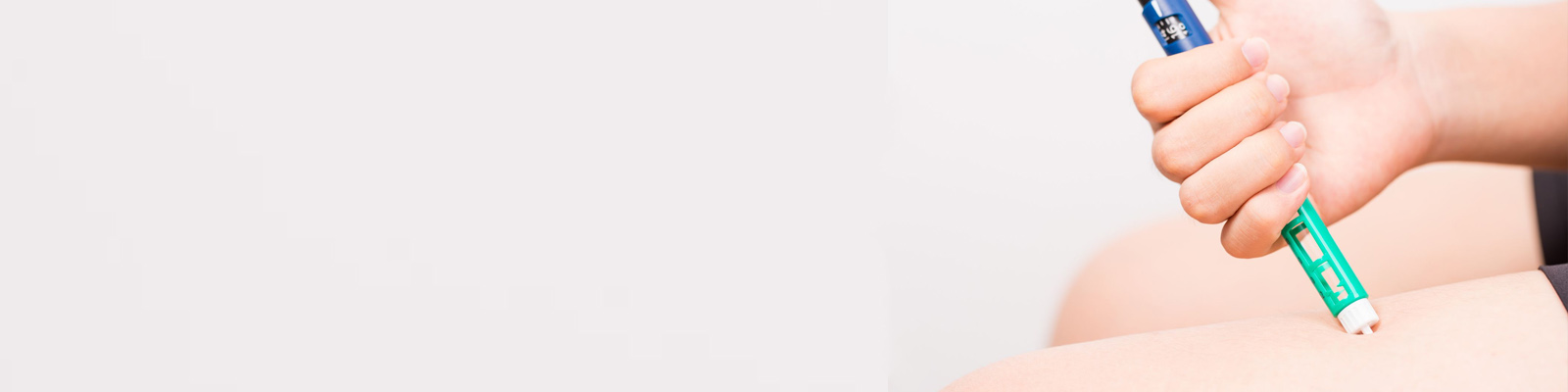




Type 2 diabetes is a chronic disease often treated with metformin and lifestyle changes.
But sometimes, patients need other diabetes medications to control their blood sugar levels.
One of them is Ozempic.
Patients may occasionally drink a moderate volume of alcohol with metformin.
It should be avoided, and there’s a higher risk of side effects, but most patients won’t have problems if alcohol consumption is not frequent.
Can we say the same about Ozempic? Moreover, can I drink alcohol if I am a type 2 diabetes patient?
In this article, we’re bringing up the topic of Ozempic and alcohol use.
Can you drink alcohol while taking Ozempic? What will happen if you mix them? Is it safe? And if so, how much alcohol can you drink with this medication?
What is ozempic?
Ozempic is a diabetes drug that slows glucose absorption in the intestines. The FDA has approved ozempic to treat type 2 diabetes. It is a prescription medication administered as a pre-filled injection pen.
Ozempic is formulated for patients who do not tolerate metformin and belongs to a class of medications known as glucagon-like peptide-1 agonists or GLP-1 agonists.
Ozempic is the brand name, and the active ingredient is semaglutide. Other pharmacy names for semaglutide are Rybelsus and Wegovy.
Similar to metformin, Ozempic is prescribed for patients with type 2 diabetes to help lower blood sugar levels and reduce the risk of long-term complications.
However, unlike metformin, it is not available in tablet form and is not used as the first option of a diabetes treatment plan. It is only recommended when other diabetes medications are ineffective or not tolerated.
Ozempic works by reducing your gastric emptying, reducing nutrient absorption (mainly glucose absorption), stimulating insulin secretion, and reducing the amount of glucose your liver releases.
In other words, this drug helps the body absorb less glucose in the intestines and allows your body to manage glucose more effectively, thereby decreasing blood sugar levels.
But what medications should not be taken with ozempic? There’s a long list of semaglutide drug interactions, including Victoza, Byettae, Exenatide, insulin, and many other diabetes drugs.
But then, can I take ozempic after drinking alcohol?
Can you drink alcohol while taking ozempic?
You should consult your doctor before drinking alcohol while on Ozempic. If you read the medication guide, it clearly states that it is not recommended to drink alcohol while taking ozempic. And there are many reasons for that.
Alcohol and ozempic can have an overlapping effect on your intestines. Ozempic reduces the absorption of several nutrients, including vitamins and minerals, not just glucose.
Alcohol does the same, and malnutrition problems exist in patients with alcohol use disorder. Thus, joining alcohol and ozempic frequently puts you at risk of malnutrition and nutritional deficits.
Another problem with alcohol is that its consumption in patients who are not adequately nourished can lead to hypoglycemia.
What’s more, the drug interactions between alcohol and sulphonylureas are known to trigger dangerously low blood glucose levels, which are very difficult to correct and require hospitalization for emergency blood sugar control.
There are not enough studies to ascertain if the same will happen to you if you drink alcohol frequently while taking Ozempic. Thus, caution is warranted for these patients, and avoiding alcohol is one of the leading lifestyle changes along with diet recommendations.
How much alcohol can you drink while taking ozempic?
If you are concerned about alcohol consumption, your doctor will tell you how much alcohol you can drink with Ozempic.
In most cases, patients with diabetes will be fine consuming alcohol moderately. Moderate alcohol consumption is fewer than two drinks per day. However, each patient has their own risk factors, and Ozempic consumption can modify this volume of alcohol.
Some studies show that even moderate alcohol consumption can have adverse consequences and trigger undesired blood sugar changes.
Thus, the safest option is to ask your doctor how much alcohol is safe with ozempic in your case.
Does that mean that Ozempic is not recommended for people with binge drinking? A recent study using these prescription drugs in rats suggests that alcohol intake is suppressed after using Ozempic, and the medication may represent a pharmacological tool for alcohol use disorder. However, the FDA has not approved it for this purpose.
How long after taking ozempic could you drink alcohol?
If you are taking ozempic and decide to drink alcohol, it’s important to drink alcohol in moderation because it could affect your blood sugar levels and glycemic response. However, you can sometimes take your occasional drink and use Ozempic a few hours after or before.
To know how long to wait before taking Ozempic or taking your drink, you should know their respective half-lives.
The half-life of alcohol is four to five hours, after which it is cleared from your system. Thus, after alcohol consumption, you can wait four or five hours before taking a prescription drug.
But the half-life of Ozempic is 155 hours, which is a bit more than six days. The drug stays in your system throughout this time, and it doesn’t matter how many hours you wait after taking Ozempic. Alcohol consumption will have the same results.
But then, what happens if you drink alcohol with ozempic?
What are the side effects of drinking alcohol with ozempic?
The main side effect of drinking alcohol while on Ozempic is a mounting effect of the drug with an increase in the risk of adverse events, such as:
- Low blood sugar
- Heartburn
- Nausea
- Burping
- Bloating
- Constipation
- Abdominal gas
- Diarrhea
- Headache
- Drowsiness
- Dizziness
- Fatigue
- Loss of appetite
It also has a risk of causing severe side effects, such as:
- Confusion or mood changes
- Visual changes
- Ozempic-related kidney failure
- Liver problems.
What happens if I drink a lot while I am taking ozempic?
Ozempic can cause side effects, such as dizziness, nausea, and diarrhea. However, these side effects usually go away after a few hours.
Some patients may experience more serious side effects, such as allergic reactions, severe dizziness, severe headache, and symptoms of low blood sugar (nausea, sweating, fast heartbeat, weakness, and dizziness).
When you drink a lot while taking ozempic, the chance of experiencing these and other side effects increases. Ozempic can trigger dizziness, which can also happen with alcohol. The same happens with headaches and nausea.
But apart from a particularly uncomfortable hangover, you can also have dangerous hypoglycemia.
Depending on your medication doses and the volume of alcohol you take during a period of time, your blood sugar levels can drop significantly, and you may need to be hospitalized to bring them back to normal levels.
So, what if you have a big party and want to skip your weekly dose of Ozempic? What happens when you stop taking ozempic?
Stopping ozempic is worse still because you could end up with a very high blood sugar level, and if we’re talking about a big party with the effects of alcohol, you may even indulge in foods you shouldn’t eat to start with. Worst-case scenario, you could end up with diabetic ketoacidosis.
Thus, talk to your doctor about anything you plan to do around alcohol, especially if you’re starting with Ozempic. And never stop taking the medication without discussing it with your healthcare provider first.
Conclusion
In a nutshell, can you drink alcohol while taking ozempic? The recommendation is to avoid alcohol while taking Ozempic.
Studies with type 2 diabetes patients sometimes recommend moderate alcohol consumption (fewer than two drinks a day), but others show that even moderate consumption is associated with adverse events.
Combining semaglutide and heavy alcohol consumption can trigger hypoglycemia, and in the long term, it can also lead to nutrient absorption problems and nutritional deficits.
More studies are required to evaluate the association between alcohol and semaglutide. However, so far, the recommendation is to avoid such drug interaction.
The recommendation can differ for each patient, and we recommend asking your doctor if you can drink alcohol and how much you plan to drink for further guidance.
This article is for informational purposes only and does not serve as medical advice. The details provided here are not a replacement for, and should never be depended upon as, professional medical advice. Always consult your physician regarding the potential risks and benefits of any treatment.
Dr. Hamad Shafqat
Medical Doctor & Senior Medical Writer
Dr. Hamad Shafqat is a dedicated physician with over 4 years of experience in clinical medicine, research, and healthcare writing.
Our Medical Review Process
At Ben’s Natural Health, we are committed to maintaining the highest standards of accuracy, transparency, and scientific integrity. Every piece of content is carefully developed by medical professionals and undergoes a thorough review every 12 to 24 months. This ensures that our information remains current, reliable, and rooted in credible, evidence-based research. We reference only peer-reviewed studies from reputable medical journals, providing full citations and direct links to enhance trust and confidence. Learn more about our medical review process and research standards.
Our Editorial Guidelines
For over 25 years, Ben’s Natural Health has been a trusted source of scientifically backed, reliable health information. Our editorial guidelines uphold the highest quality and integrity for every article we publish. Each piece is written by qualified experts and undergoes independent quality checks. We prioritize transparency by clearly displaying contributor credentials and biographies at the beginning of every article. Read more about our editorial standards.
Medical Disclaimer
The content on this blog is for informational purposes only and should not be considered a substitute for professional medical advice, diagnosis, or treatment. While our articles are authored and reviewed by licensed medical professionals, they may not address your specific health concerns. Always consult a qualified healthcare provider before making any medical decisions.
Article Sources
- Knudsen, L. B., & Lau, J. (2019). The discovery and development of liraglutide and semaglutide. Frontiers in endocrinology, 155.
- Emanuele, N. V., Swade, T. F., & Emanuele, M. A. (1998). Consequences of alcohol use in diabetics. Alcohol health and research world, 22(3), 211.
- Asif, M. (2014). The prevention and control the type-2 diabetes by changing lifestyle and dietary pattern. Journal of education and health promotion, 3.
- Knott, C., Bell, S., & Britton, A. (2015). Alcohol consumption and the risk of type 2 diabetes: a systematic review and dose-response meta-analysis of more than 1.9 million individuals from 38 observational studies. Diabetes care, 38(9), 1804-1812.
- Marty, V. N., Farokhnia, M., Munier, J. J., Mulpuri, Y., Leggio, L., & Spigelman, I. (2020). Long-acting glucagon-like peptide-1 receptor agonists suppress voluntary alcohol intake in male wistar rats. Frontiers in neuroscience, 14, 599646.
Article Update History
Reviewer:
Created on November 30, 2022
Explore More

Insulin Overdose: What To Do If You Take Too Much Insulin
Insulin is a vital hormone used to regulate blood sugar (glucose) in the body; however, taking too much insulin can be dangerous. Insulin is ...