How Slippery Elm Bark Improves Your Skin & Helps Weight Loss
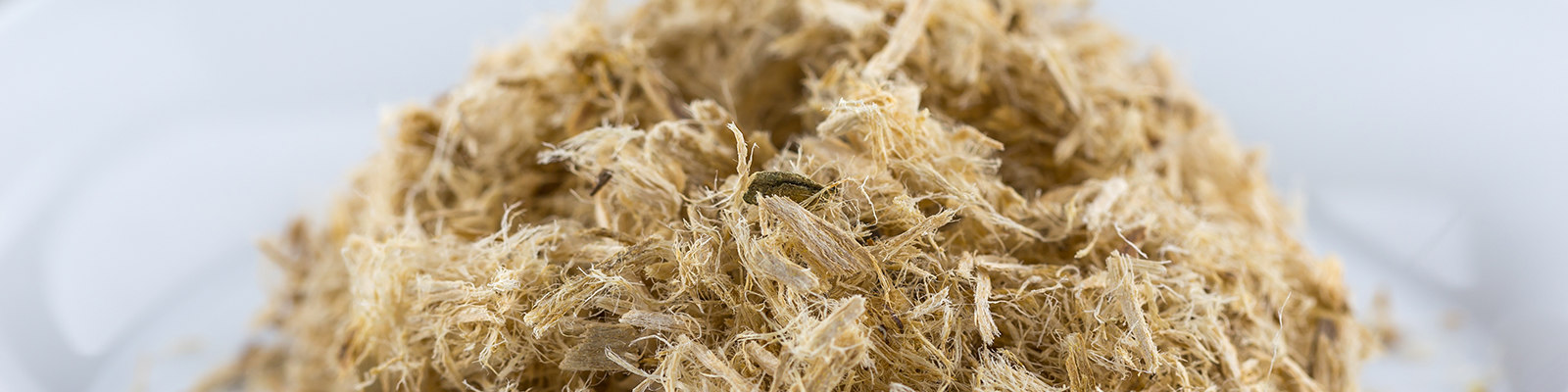


Slippery Elm is a native tree found in the US and Canada.
You can use slippery elm as bark, powder, supplements, and tea.
It has been used in traditional medicine for hundreds of years thanks to its wide range of health benefits.
It gets its name from the inner bark, which is the part used to get all the medicinal properties.
Inside the tree, you get a slick and mucous substance that can help treat common ailments, improve digestive issues, reduce sore throats, and other possible benefits.
While there is still more research needed to determine all the properties of this ingredient, current research seems promising.
Keep reading to learn all the possible benefits you might obtain when consuming slippery elm bark and how you can prepare or add it to your diet.
6 Benefits of Slippery Elm Bark
The most common use for slipper elm is to improve digestive issues. However, there is more to slippery elm than that.
Let’s take a closer look at the possible benefits of slippery elm.
1) Improves Digestive Issues
Slippery elm might help protect the stomach’s lining. Thanks to its mucoprotective agents (demulcent), it can protect the stomach and intestines from irritation.
As a result, it can help decrease symptoms from inflammatory bowel diseases, such as Chron’s disease and Ulcerative colitis (UC).
Research also shows that, thanks to its potent antioxidant capacity, it can help decrease inflammation and help manage digestive issues.
However, most studies use a blend of herbs, meaning it’s difficult to pinpoint the protective benefits solely on slippery elm bark.
2) Promotes Weight Loss
Since slippery elm is high in fiber, it can help increase fullness levels, making it easier to reach a caloric surplus (eating fewer calories than the body needs).
In addition, due to its high fiber content, it can also help regulate blood glucose levels, promoting more stable energy levels and less cravings.
Still, there are not a lot of research papers stating the relationship between weight loss and slippery elm.
Keep in mind that to lose weight, you need to be in a caloric deficit.
3) Soothes A Sore Throat And A Cold
One of the benefits of slipper elm is that it contains mucilage. The mucilage coats the throat, providing protective agents.
It’s also possible that slippery elm bark might have anti-coughing agents.
A study found that slippery elm bark might be a good option to help decrease the risk of upper inflammatory conditions.
Nonetheless, there are not many studies stating the possible benefits of slippery elm bark in coughing and sore throat.
4) Reduces Urinary Tract Irritation
Just like with digestive conditions, slippery elm supplements might soothe the urinary tract lining. As a result, it can help decrease irritation and promote good urinary health.
In addition, it also seems to have diuretic effects, helping eliminate toxins and waste.
More research is still needed to determine its benefits in the urinary tract.
5) Improves Gut Health
Since slippery elm is high in prebiotic fiber, it can help feed the bacteria in the gut, allowing it to grow strong and healthy.
It can also help protect the intestinal lining, helping reduce the risk of leaky gut.
Leaky gut is a condition where the intestinal lining becomes semi-permeable. This allows toxins, bacteria, and other unwanted substances to enter the body.
Slippery elm can help improve leaky gut conditions and promote overall wellness. Still, more research is needed to determine the link between leaky gut and slippery elm.
6) Improves Skin Conditions
Finally, it seems that slippery elm might help improve skin conditions. The mucilage in slippery elm can help improve dry skin, and it might have wound-healing properties.
In addition, it seems that it can help reduce inflammation in the skin, helping reduce skin conditions such as psoriasis. Slippery elm powder seems to help reduce symptoms of redness and itching.
However, there are not too many human studies stating the benefits of slippery elm on skin conditions.
Nutritional Facts About Slippery Elm Bark
Currently, there is not a lot of research stating the nutritional facts about slippery elm bark. According to some manufacturers, slippery elm might have the following nutritional information.
| Features | Per 100 grams |
| Calories | 197 |
| Carbs (g) | 78.0 |
| Fiber (g) | 67.7 |
| Proteins (g) | 4.6 |
| Fats (g) | 1.6 |
Keep in mind that the nutritional value might vary from manufacturer to manufacturer and if there are other ingredients available in the blend.
Still, slippery elm is low in calories, low in carbs, and high in fiber.
Since slippery elm is a mucilage, it means that it draws water, creating a gel-like substance. That is why it has so many health benefits.
How Do I Use Slippery Elm Bark?
You can find slippery elm in many different forms. Slippery elm is available in these forms: tablets, fine powder, tea, and lozenges.
If you get the powder, there are different ways for you to prepare slippery elm bark.
Slippery Elm Tea
To make slippery elm tea at home, place one tablespoon of slippery elm powder in one cup of boiling water. Let it steep for a couple of minutes.
Slippery Elm Porridge
You can also add slippery elm powder to your favorite beverage or mix it with some porridge or oatmeal.
Keep in mind that allowing it to hydrate for several minutes can result in a thicker beverage.
Also, slippery elm has a distinctive taste, so it might change the flavor of your recipe.
Safety And Precautions of Slippery Elm Powder
Slippery elm bark is safe and well-tolerated. You can purchase it over-the-counter and can even find it in some common medications (such as cough syrups).
However, currently, there is not a lot of information stating the safety and possible side effects you might get when taking slippery elm bark.
Now, while it is safe to take, make sure you consult with your doctor before supplementing, especially if you are taking chronic medications.
Certain herbs and spices may reduce the effectiveness of certain medications.
If your doctor gives you a thumbs up, make sure you take slippery elm two hours before and after any medication.
Frequently Asked Questions
Slippery elm bark is typically used to treat digestive conditions such as Chron’s disease and IBS. It can also help treat skin conditions and reduce inflammation thanks to its potent antioxidant properties.
Due to its high fiber content, it can increase the risk of digestive issues, such as bloating, gas, stomach cramps, and diarrhea. It might also cause skin irritation or possible allergic reaction.
While this depends on your dietary habits and other lifestyle factors (sleep, exercise, and stress), it might take a couple of weeks before you start noticing any benefits when taking slippery elm bark.
Conclusion
Slipper elm bark is a native tree found in the US and Canada. Slippery elm bark has several health benefits, such as:
- reducing inflammatory disease symptoms
- decreasing inflammation
- improving gut health
- promoting weight loss
- reducing urinary tract symptoms
- soothing skin conditions.
There are different forms to take slippery elm, such as powders, tablets, and teas. You can also find it as part of different green powder supplements or other herb remedies.
While slippery elm bark is safe and well-tolerated, it might still increase the risk of digestive issues, and it might cause allergic reactions, especially if you use it to treat skin conditions.
If you are thinking about adding slippery elm into your daily routine, make sure you consult with a doctor, especially if you are taking chronic illnesses, since it might decrease the efficacy of certain medications.
This article is for informational purposes only and does not serve as medical advice. The details provided here are not a replacement for, and should never be depended upon as, professional medical advice. Always consult your physician regarding the potential risks and benefits of any treatment.
Our Medical Review Process
At Ben’s Natural Health, we are committed to maintaining the highest standards of accuracy, transparency, and scientific integrity. Every piece of content is carefully developed by medical professionals and undergoes a thorough review every 12 to 24 months. This ensures that our information remains current, reliable, and rooted in credible, evidence-based research. We reference only peer-reviewed studies from reputable medical journals, providing full citations and direct links to enhance trust and confidence. Learn more about our medical review process and research standards.
Our Editorial Guidelines
For over 25 years, Ben’s Natural Health has been a trusted source of scientifically backed, reliable health information. Our editorial guidelines uphold the highest quality and integrity for every article we publish. Each piece is written by qualified experts and undergoes independent quality checks. We prioritize transparency by clearly displaying contributor credentials and biographies at the beginning of every article. Read more about our editorial standards.
Medical Disclaimer
The content on this blog is for informational purposes only and should not be considered a substitute for professional medical advice, diagnosis, or treatment. While our articles are authored and reviewed by licensed medical professionals, they may not address your specific health concerns. Always consult a qualified healthcare provider before making any medical decisions.
Article Sources
- Langmead L, Dawson C, Hawkins C, Banna N, Loo S, Rampton DS. Antioxidant effects of herbal therapies used by patients with inflammatory bowel disease: an in vitro study. Aliment Pharmacol Ther. 2002 Feb;16(2):197-205. doi: 10.1046/j.1365-2036.2002.01157.x. PMID: 11860402.
- Clark MJ, Slavin JL. The effect of fiber on satiety and food intake: a systematic review. J Am Coll Nutr. 2013;32(3):200-11. doi: 10.1080/07315724.2013.791194. PMID: 23885994.
- Park, Tae & Lee, Sumi & Amatya, Reeju & Maharjan, Pooja & Kim, Hye-jin & Park, Woo & Ahn, Mi-Jeong & Kim, Sun & Moon, Cheol & Cheong, Heesun & Min, Kyoung & Shin, Meong Cheol. Development and characterization of a superabsorbing hydrogel film containing Ulmus davidiana var. Japonica root bark and pullulan for skin wound healing. Saudi Pharmaceutical Journal. 28. 10.1016/j.jsps.2020.05.007. 2020.
Article Update History
Created on October 16, 2023
Explore More
Study Found 89% of Botanical Sports Supplements Were Mislabeled
The past two decades have faced a significant increase in athletics use of botanical sports supplements. Botanical sports supplement companies are supposed to accurately ...