Rhodiola Rosea Benefits: How It Helps Mind, Energy & Fertility
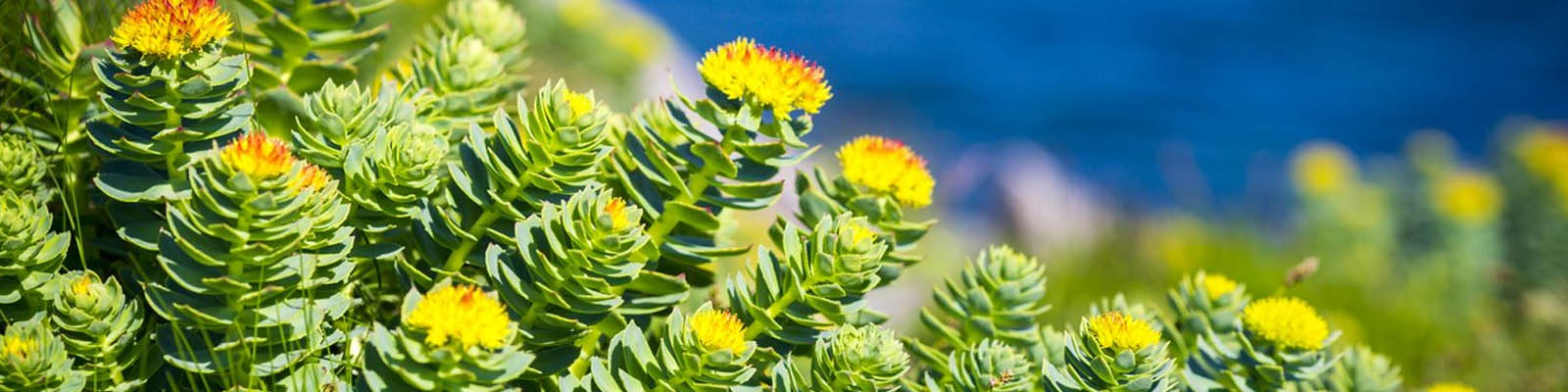


Rhodiola rosea is a herbaceous flowering plant or a root that grows in cold regions on sandy soil in the Arctic, Eastern North America, Eastern Siberia, or in the mountainous parts of Europe and Central Asia.
The Rhodiola herb is also known as golden, Siberian golden, rose root, orpin rose, rosewort, arctic root, or king’s crown.
This plant belongs to a family called Crassulaceae, and some other names for this plant are Rosenroot, rosavin, and Rhodiola Rhizome.
Rhodiola extract helps treat high altitude symptoms, increases energy levels in the body, lowers high cholesterol levels, and enhances memory, cognition, and learning.
Keep reading to learn more about the benefits of Rhodiola rosea.
20 Benefits of Rhodiola Rosea
Rhodiola rosea has powerful antioxidant and bioactive compounds that aid in improving health. For this purpose, Rhodiola supplements are used.
| Brief Overview of Benefits of Rhodiola Rosea | ||
| Neurocognitive benefits | Physical benefits | Endocrinal benefits |
| Reduces stress and depression | Increases stamina and physical strength | Keeps the hormones in balance |
| Improves mood and positive emotions | Enhances immunity against common diseases | Improves thyroid functioning |
| Slows down the progression of neurodegenerative diseases | Improves sexual activity and reduces the infertility risk | Helps weight reduction and produces antidiabetic effects |
The benefits of Rhodiola Rosea include the following.
1) Reduces chronic stress
Rhodiola rosea is a stress binder that naturally lower stress levels and resists stress levels, so it works as an anti-stress agent in the body.
Rhodiola works against burnout that occurs due to chronic stress or depression by helping the body to retaliate against stressors.
2) Boosts energy and relieves fatigue
Rhodiola herb has an adaptogen that has a beneficial effect of reducing fatigue from the body that occurs due to anxiety, stress, or due to poor sleep and leads to mental and physical fatigue.
This herb is beneficial in relieving fatigue. It also improves mood and helps the body to retaliate against fatigue.
3) Fights depression
Depression is a negative behavior due to an imbalance of a chemical in the brain known as neurotransmitters, affecting human activity and behavior.
Thus, antidepressants are needed, so Rhodiola imparts its positive effect in this regard and aids in developing resilience against burnout, lifts the mood, and reduces the negative impact of imbalanced neurotransmitters.
4) Boosts mood, brain function, and memory
Rhodiola rosea enhances memory, reduces pain, stress, and illness, boosts mood, and regulates positive emotions.
Rhodiola supplements are used to improve brain function and for better and stronger memory.
5) Improves physical activity
Rhodiola supplements enhance sports performance by reducing fatigue, stress, and illness.
In addition, this herb acts as an antioxidant, thus enhancing the level of physical activity, stamina, durability, and strength.
6) Anti-aging properties
Rhodiola rosea root has the property of anti-aging. It acts as a neuroprotective agent, thus reducing the development of aging-related conditions, such as Alzheimer’s disease, Parkinson’s disease, diabetes, and cardiovascular and cerebrovascular disease.
7) Reduces blood sugar
Salidroside, a bioactive compound of Rhodiola rosea, assists in improving diabetes by lowering blood sugar levels and treating conditions related to diabetes, such as diabetic nephropathy.
Rhodiola, along with diabetic medication, is helpful, but close and careful monitoring of sugar levels must be done as it can drop blood sugar.
8) Helps with weight loss
Rhodiola rosea contains an active compound, rosavin, which increases the metabolism of fatty tissues, which is one of the primary factors in losing weight.
That’s why extracts of Rhodiola are often used in diet plans and weight loss regimens.
Moreover, it also activates AMPK enzymes, increasing the likelihood of weight loss. (AMPK enzymes are special enzymes that activate and release ATP from mitochondria).
9) Regulates hormones
Rhodiola tincture is considered a viable alternative solution to the symptoms of short-term hypothyroidism (fatigue, joint pains, dry skin, depression, etc.) in patients who require hormones for their treatment. Moreover, it also regulates the hormonal balance in the body.
10) Healthier skin
Rhodiola rosea extract aids in the modulation of skin melanogenesis. RCAC treatment is done for sensitive skin to lower transepidermal water loss in humans, thus improving the skin’s barrier function.
The extract of this plant aids in protecting the natural defense of skin against harmful compounds and makes the skin healthy, wrinkles, and fair.
11) Heals wounds faster
Rhodiola imbricate, an extract of Rhodiola rosea, has polyphenols in large amounts that aid in healing wounds faster. It increases the synthesis of collagen and cellular proliferation on the wound site.
12) Boosts the immune system
Many research studies have revealed that Rhodiola rosea produces excellent immune-regulating and anti-inflammatory effects on the body.
These anti-inflammatory properties can help boost immunity against diseases like asthma and sepsis.
For example, salidroside – a potent chemical compound in Rhodiola rosea can regulate helper T cells in the body, decreasing the severity of cerebral ischemia.
13) Naturally reduces pain
Rhodiola rosea has a beneficial effect of lowering pain without negatively affecting consciousness and performing the analgesic function. The extract of R.rosea Work as a pain reliever agent.
14) Acts as an antiviral agent
A bioactive compound in Rhodiola Rosea named salidroside acts against viral myocarditis.
15) Has antioxidant properties
The active components of the Rhodiola plant as tyrosol and aglycone, act as antioxidative agents and reduce oxidative stress from the body, preventing osteosarcoma.
Supplements of Rhodiola aid in lowering free radicals and oxidation in the body that impart negative health impacts.
16) Reduces inflammation
Extract of Rhodiola rosea in tincture form imparts anti-inflammatory properties. This extract also helps in reducing the level of arthritis and edema.
17) Improves fertility in premature ovarian insufficiency (POI)
Premature ovarian failure is one of the common causes of infertility among women. Rhodiola rosea can help improve POI by assisting women in regaining their period and fertility.
18) Protects against cancer
Rhodiola rosea contains bioactive compounds and the salidroside in rhodiola aids in reducing and hindering the production of cancer cells in the body.
As a result, Rhodiola vitamin is highly associated with lowering the cancers that develop, especially in elders, such as breast, colon, kidney, prostate, bladder, and lung.
19) Enhances sexual performance
Rhodiola plant aids in improving signs of erectile dysfunction in men and treating sexual arousal disorder in women. It also stabilizes prostatic fluids, increasing fertility and sexual libido.
20) Protects against neurodegenerative disorders
Rhodiola rosea extract and its compounds act as protective agents for human cortical cells against oxidative stressors that damage these cells.
Pre-treatment with Rhodiola pills enhances cell survival and protects the plasma membrane from damage and changes in shape due to any stressor. This aids in protecting them from neurodegenerative disorders.
Conclusion
Rhodiola Rosea is a herb used for treating any health issues as the extract of the rose root has compounds that act as a relaxant and antioxidants and reduce fatigue.
Rhodiola rosea supplements also reduce age-related illness and improve cognitive functions, memory, and learning.
Moreover, Rhodiola rosea extract can also protect against cancer and slow down the neurodegenerative processes.
Its extracts are also used to enhance sexual performance, reduce infertility and regain periods in women experiencing premature ovarian failure.
Rhodiola rosea is available as a supplement, herb, plant, extract, tea, tincture, and seed, to name but a few.
This article is for informational purposes only and does not serve as medical advice. The details provided here are not a replacement for, and should never be depended upon as, professional medical advice. Always consult your physician regarding the potential risks and benefits of any treatment.
Our Medical Review Process
At Ben’s Natural Health, we are committed to maintaining the highest standards of accuracy, transparency, and scientific integrity. Every piece of content is carefully developed by medical professionals and undergoes a thorough review every 12 to 24 months. This ensures that our information remains current, reliable, and rooted in credible, evidence-based research. We reference only peer-reviewed studies from reputable medical journals, providing full citations and direct links to enhance trust and confidence. Learn more about our medical review process and research standards.
Our Editorial Guidelines
For over 25 years, Ben’s Natural Health has been a trusted source of scientifically backed, reliable health information. Our editorial guidelines uphold the highest quality and integrity for every article we publish. Each piece is written by qualified experts and undergoes independent quality checks. We prioritize transparency by clearly displaying contributor credentials and biographies at the beginning of every article. Read more about our editorial standards.
Medical Disclaimer
The content on this blog is for informational purposes only and should not be considered a substitute for professional medical advice, diagnosis, or treatment. While our articles are authored and reviewed by licensed medical professionals, they may not address your specific health concerns. Always consult a qualified healthcare provider before making any medical decisions.
Article Sources
- Anghelescu IG, Edwards D, Seifritz E, Kasper S. Stress management and the role of Rhodiola rosea: a review. Int J Psychiatry Clin Pract. 2018.
- Cropley M, Banks AP, Boyle J. The Effects of Rhodiola rosea L. Extract on Anxiety, Stress, Cognition and Other Mood Symptoms. Phytother Res. 2015.
- De Bock K, Eijnde BO, Ramaekers M, Hespel P. Acute Rhodiola rosea intake can improve endurance exercise performance. Int J Sport Nutr Exerc Metab. 2004.
- Hung SK, Perry R, Ernst E. The effectiveness and efficacy of Rhodiola rosea L.: a systematic review of randomized clinical trials. Phytomedicine. 2011.
- Ishaque S, Shamseer L, Bukutu C, Vohra S. Rhodiola rosea for physical and mental fatigue: a systematic review. BMC Complement Altern Med. 2012.
- Kosakowska O, Bączek K, Przybył JL, Pióro-Jabrucka E, Czupa W, Synowiec A, Gniewosz M, Costa R, Mondello L, Węglarz Z. Antioxidant and Antibacterial Activity of Roseroot (Rhodiola rosea L.) Dry Extracts. Molecules. 2018.
- Li Y, Pham V, Bui M, Song L, Wu C, Walia A, Uchio E, Smith-Liu F, Zi X. Rhodiola rosea L.: an herb with anti-stress, anti-aging, and immunostimulating properties for cancer chemoprevention. Curr Pharmacol Rep. 2017.
- Mao JJ, Li QS, Soeller I, Xie SX, Amsterdam JD. Rhodiola rosea therapy for major depressive disorder: a study protocol for a randomized, double-blind, placebo- controlled trial. J Clin Trials. 2014.
- Olsson EM, von Schéele B, Panossian AG. A randomised, double-blind, placebo-controlled, parallel-group study of the standardised extract shr-5 of the roots of Rhodiola rosea in the treatment of subjects with stress-related fatigue. Planta Med. 2009.
- Pu, Wei-Ling & Zhang, Meng-Ying & Bai, Ru-Yu & Sun, Li-kang & Li, Wen-Hua & Yu, Ying-Li & Zhang, Yue & Song, Lei & Wang, Zhao-Xin & Peng, Yan-Fei & Shi, Hong & Zhou, Kun & Li, Tian-Xiang. (2019). Anti-inflammatory effects of Rhodiola rosea L.: A review. Biomedicine & pharmacotherapy = Biomedecine & pharmacotherapie.
- Verpeut JL, Walters AL, Bello NT. Citrus aurantium and Rhodiola rosea in combination reduce visceral white adipose tissue and increase hypothalamic norepinephrine in a rat model of diet-induced obesity. Nutr Res. 2013.
- Zubeldia JM, Nabi HA, Jiménez del Río M, Genovese J. Exploring new applications for Rhodiola rosea: can we improve the quality of life of patients with short-term hypothyroidism induced by hormone withdrawal? J Med Food. 2010.
Article Update History
Created on June 22, 2023
Explore More

How Slippery Elm Bark Improves Your Skin & Helps Weight Loss
Slippery Elm is a native tree found in the US and Canada. You can use slippery elm as bark, powder, supplements, and tea. It ...