11 Effects of Sleep Deprivation on Your Body
Article Summary
- Sleep deprivation is a general term that describes a state caused by inadequate sleep quantity or quality.
- Although a common problem, a solution is possible. Make sure to adopt healthier sleep habits.
- Don’t hesitate to see a doctor or sleep specialist regarding this problem.
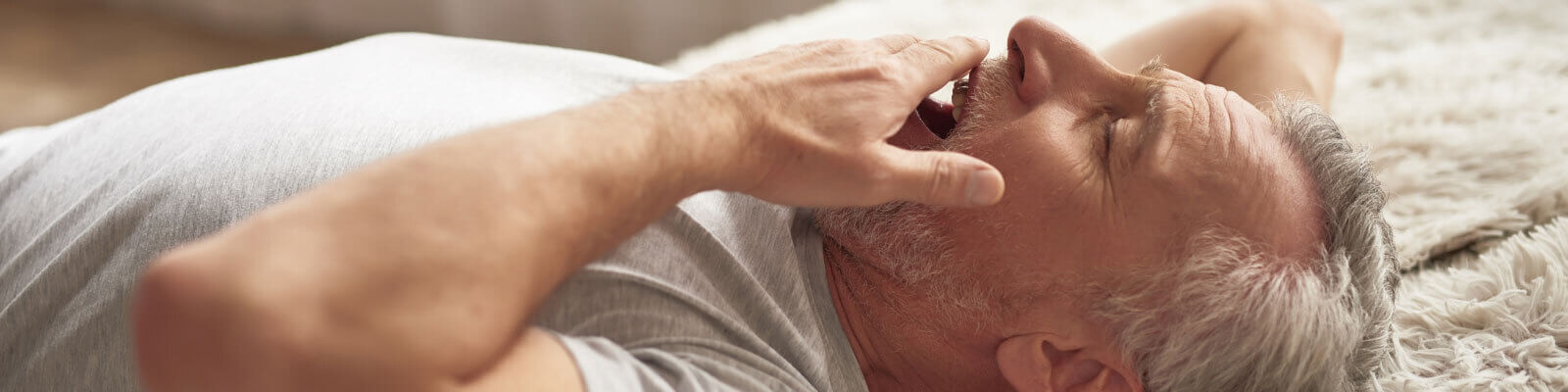
How much sleep do you get every night? The answer is probably: not enough. The importance of a good night’s rest is largely underestimated. I’ll get more sleep tomorrow.
The weekend is near, and I’ll sleep then. These are common excuses we say to ourselves when binge watching Netflix or switching from one app to the other on our phones.
The lack of sleep affects our bodies in many ways. In this post, we reflect on the side effects of sleep deprivation and its impact on our health.
What is sleep deprivation?
Sleep deprivation is a general term that describes a state caused by inadequate sleep quantity or quality.
This also includes voluntary and involuntary sleeplessness and circadian rhythm sleep disorder. Sleep deprivation is not a specific disease but its side effects may increase the risk of various health problems.
It’s not just about getting adequate sleep, e.g., seven to nine hours. We need a proper sleep pattern. Bedtime needs to be the same every night, and we need to wake up every morning at the same time as well. Sleep deprivation is a common problem with potentially serious side effects and consequences.
What causes sleep deprivation?
Studies show causes of sleep loss are numerous. In many cases, they are multifactorial. Common contributing causes of sleep loss include:
- Sleep apnea due to disordered sleep breathing that wakes you up during the night
- Insomnia
- Restless leg syndrome
- Parasomnias (abnormal behavior while sleeping, e.g., moving around, talking, or doing unusual things in sleep)
- Mood disturbances
- Psychosis
- Untreated sleep disorders
Aging is also a possible cause of sleep deprivation due to medications people take or chronic conditions they have. Change in daily schedule, hectic lifestyle, and stress also increase the risk of sleep deprivation.
When we don’t get enough of a good night’s rest, our REM sleep is also impaired. That’s why you need to read the complications of this problem and feel motivated to tackle it.
11 side effects of sleep deprivation
The human body needs sleep to function like a well-oiled machine. Without proper sleep, we can’t think properly, work, and experience a host of other issues. Below, we are going to discuss 11 side effects that you may notice when sleep deprived.
1) Memory problems
When you sleep, the brain forms connections to help you process and remember new information. Insufficient sleep can negatively affect both short- and long-term memory. This happens because the brain can’t form connections properly. A growing body of evidence confirms that sleep loss can affect attention and working memory and other types of cognitive function.
You’ve probably experienced this problem a lot. Just think about it; how many times have you experienced brain fog because you didn’t get enough sleep? The good thing is – by improving sleep, you can also improve your memory. Keep in mind that total sleep deprivation aggravates memory and cognitive skills even more. The effects last longer. So, strive to improve your sleep in order to sharpen your memory.
2) Mood changes
Moodiness happens for a lot of reasons. Sometimes we get easily annoyed, and sleep deprivation could be the problem. You see, lack of sleep can make you quick-tempered, moody, and emotional.
Even acute sleep deprivation can do that. But, chronic sleep deprivation can do even worse. If you’re in sleep debt for a long time, then anxiety and depression may occur. In fact, the relationship between sleep deprivation and depression is well established.
These adverse effects are down to neurochemical changes that occur in the brain. On the other hand, depression may contribute to sleep deprivation too. More precisely, both problems may cause one another.
3) Poor cardiovascular health
A healthy heart requires healthy sleep. If you don’t sleep enough, cardiovascular health may suffer. Studies show that sleep deprivation may lead to high blood pressure.
Hypertension can eventually lead to more severe heart disease problems, atherosclerosis, and cardiovascular events like heart attack and stroke. The relationship between sleep deprivation and cardiovascular disease is down to increased sympathetic nervous system activity. Even occasional sleep deprivation can harm your heart health.
4) Weakened immune system
You get common cold or flu easily? That’s a sign of a weak immune system. The immune defenses are not strong enough to fight off viruses and other pathogens. Factors that affect the immune system are numerous, and sleep deprivation is one of them.
Sleep and circadian rhythm exhibit a strong regulatory influence on immune function. Many of the processes involved in immunity display prominent rhythms in synchrony with the regular 24-hour sleep cycle. That explains why sleep loss weakens the immune system and makes a sleep-deprived individual more susceptible to illnesses.
5) Weight gain
The rates of overweight and obesity are on the rise worldwide. Excess weight jeopardizes our health in many ways. A sedentary lifestyle and unhealthy habits are major causes of overweight and obesity. Being sleep deprived can also make you susceptible to weight gain. Studies show this is due to higher levels of ghrelin or hunger hormone, and lower leptin or satiety hormone levels. Moreover, sleep loss increases water retention and contributes to inflammation.
6) Adult acne
This is probably the most noticeable symptom of lack of good night’s sleep. Adolescents usually deal with acne, but adults can have them too. Studies show that adult acne develops due to lifestyle factors. Stress and sleep deprivation are major causes.
Let’s not forget that sleep deprivation leads to stress. This may impair hormonal balance and increase sebum (oil) production. This can clog pores and lead to inflammation and breakouts. Better sleep equals more radiant skin.
7) Higher risk of type 2 diabetes
The normal regulation of metabolism depends on quality sleep. The lack of sleep decreases glucose tolerance and insulin sensitivity. Without proper insulin sensitivity, the body becomes resistant to this hormone. Blood sugar can’t enter cells and tissues without insulin. What comes next is type 2 diabetes. A growing body of evidence confirms that lack of sleep puts you at a higher risk of this lifelong condition.
8) Low sex drive
You find yourself not in the mood to have sex anymore? Engaging in any kind of sexual activity doesn’t interest you? Low sex drive depends on many factors, including hormonal balance.
Sleep deprivation disrupts the balance of hormones and weakens your libido. In men, higher levels of the stress hormone cortisol (caused by deprivation) lower testosterone levels.
As you know, libido depends on proper testosterone concentration. Low sex drive can pave the way to other sexual dysfunctions, including erectile dysfunction. Therefore, to boost libido and improve sex life, you need to practice healthier sleeping habits.
9) Bad concentration and productivity
Can’t focus on work or school lately? Is your productivity getting worse? Both concentration and productivity problems can occur due to sleep deprivation. The brain and body need proper rest. They can only achieve that when you sleep. Without sufficient rest, your brain doesn’t function properly. This explains the concentration troubles, inability to focus, and difficulty to maintain productivity.
10) Accidents
Without proper sleep, you may find yourself drowsy driving or walking. Drowsiness is a significant problem and puts you at a higher risk of accidents. It all comes down to your brain and impaired motor functions. Plus, if you don’t get a good night’s rest at night, you may experience excessive daytime sleepiness.
The drowsy effect also occurs due to sleep medications. They may also cause accidents. Accidents also come with injuries that require a certain recovery period and increase the costs of the treatment.
11) Skin aging
Levels of stress hormone cortisol rise when you don’t sleep. Cortisol breaks down collagen, the protein that keeps skin smooth and elastic. Insufficient sleep makes skin look older, lifeless, and tired. The formation of fine lines and wrinkles happens faster.
How to manage sleep deprivation
As you can see, sleep restriction affects the body in many ways. We can’t ignore it. This problem is manageable, and you can get sufficient sleep and feel much better. Management of sleep deprivation can include a medical and natural approach or a combination of both.
Treatments
Treatments of sleep deprivation vary depending on the cause and severity. In some cases, the management of the underlying cause can improve sleep quality. Don’t hesitate to consult your doctor. The healthcare provider may want you to try self-care methods first. If these don’t work, you may get a prescription for sleeping pills.
Medical
All medications for sleep deficit are to be taken shortly before bedtime. There is no “one size fits all” rule here. The exact medicines may vary from one person to another. The doctor prescribes the best therapy for each patient. In most cases, these may include:
- Antidepressants – they are beneficial for the treatment of depression, anxiety, and sleeplessness.
- Benzodiazepines – useful for a sleep-deprived person who wants a medication that stays in the system longer. However, these medications have serious drawbacks. For example, they can cause dependence and addiction.
- Doxepin (Silenor) – approved for people who experience difficulties staying asleep. If you don’t get deep sleep or wake up too often, a doctor may prescribe this.
- Eszopiclone (Lunesta) – helps people fall asleep quickly, but it may cause grogginess.
- Ramelteon (Rozerem) – works by targeting circadian rhythm, i.e., the sleep-wake cycle. Other sleep medications depress the nervous system. The drug is most suitable for people who have trouble falling asleep.
- Zaleplon (Sonata) – stays active in the body for the shortest time. People can take it and not feel drowsy in the morning.
Besides prescription pills, a sleep specialist may also recommend some over-the-counter alternatives. Most OTC pills are antihistamines. There are also dietary supplements that increase the production of melatonin to help you fall asleep.
Back in time, sleep medicine was dangerous and addictive. Today, sleeping pills are safer. But, they are meant for short-term only. Avoid using sleeping pills all the time. In the case of sleep apnea, a surgery or breathing device helps provide undisturbed sleep.
People who don’t sleep enough due to stress and mental health problems may want to try cognitive behavioral therapy. Known as CBT, this therapy allows a person to identify thought patterns that contribute to poor sleep.
Natural
Besides medical treatments, natural approaches can promote quality sleep. These include:
- Meditation
- Melatonin supplements and other dietary supplements for good sleep
- Establishing a healthy sleep pattern, i.e., bedtime and wake time sleep schedule
- Avoiding eating two to three hours before bedtime
- Exercise regularly
- Maintain weight in a healthy range
- Avoid tobacco use
- Avoid alcohol or limit consumption
- Keep the bedroom calm, tidy, quiet, dark, and cool
- Avoid using the phone or watching TV in bed
- Avoid consuming caffeine in the evening
- Limit daytime apps to less than 30 minutes
- Read a book at bedtime
Conclusion
Sleep deprivation is a widely prevalent problem with many side effects for the body. Health problems that may occur due to lack of sleep are numerous.
Although a common problem, a solution is possible. Make sure to adopt healthier sleep habits. Don’t hesitate to see a doctor or sleep specialist regarding this problem. Remember, quality sleep is vital for good health and wellbeing. Having a sleep problem is normal, but a proactive approach is necessary to overcome it effectively.
This article is for informational purposes only and does not serve as medical advice. The details provided here are not a replacement for, and should never be depended upon as, professional medical advice. Always consult your physician regarding the potential risks and benefits of any treatment.
Our Medical Review Process
At Ben’s Natural Health, we are committed to maintaining the highest standards of accuracy, transparency, and scientific integrity. Every piece of content is carefully developed by medical professionals and undergoes a thorough review every 12 to 24 months. This ensures that our information remains current, reliable, and rooted in credible, evidence-based research. We reference only peer-reviewed studies from reputable medical journals, providing full citations and direct links to enhance trust and confidence. Learn more about our medical review process and research standards.
Our Editorial Guidelines
For over 25 years, Ben’s Natural Health has been a trusted source of scientifically backed, reliable health information. Our editorial guidelines uphold the highest quality and integrity for every article we publish. Each piece is written by qualified experts and undergoes independent quality checks. We prioritize transparency by clearly displaying contributor credentials and biographies at the beginning of every article. Read more about our editorial standards.
Medical Disclaimer
The content on this blog is for informational purposes only and should not be considered a substitute for professional medical advice, diagnosis, or treatment. While our articles are authored and reviewed by licensed medical professionals, they may not address your specific health concerns. Always consult a qualified healthcare provider before making any medical decisions.
Article Sources
- Are you getting enough sleep? CDC https://www.cdc.gov/sleep/features/getting-enough-sleep.html
- Hanson JA, Huecker MR. (2020). Sleep deprivation. StatPearls https://www.ncbi.nlm.nih.gov/books/NBK547676/#:~:text=Common%20contributing%20causes%20of%20sleep,of%20these%20underlying%20factors%20directly.
- Alhola, P., & Polo-Kantola, P. (2007). Sleep deprivation: Impact on cognitive performance. Neuropsychiatric disease and treatment, 3(5), 553–567.
- Al-Abri M. A. (2015). Sleep Deprivation and Depression: A bi-directional association. Sultan Qaboos University medical journal, 15(1), e4–e6.
- Nagai, M., Hoshide, S., & Kario, K. (2010). Sleep duration as a risk factor for cardiovascular disease- a review of the recent literature. Current cardiology reviews, 6(1), 54–61. https://doi.org/10.2174/157340310790231635
- Besedovsky, L., Lange, T., & Born, J. (2012). Sleep and immune function. Pflugers Archiv : European journal of physiology, 463(1), 121–137. https://doi.org/10.1007/s00424-011-1044-0
- Cooper, C. B., Neufeld, E. V., Dolezal, B. A., & Martin, J. L. (2018). Sleep deprivation and obesity in adults: a brief narrative review. BMJ open sport & exercise medicine, 4(1), e000392. https://doi.org/10.1136/bmjsem-2018-000392
- Albuquerque, R. G., Rocha, M. A., Bagatin, E., Tufik, S., & Andersen, M. L. (2014). Could adult female acne be associated with modern life?. Archives of dermatological research, 306(8), 683–688. https://doi.org/10.1007/s00403-014-1482-6
- Al-Abri, M. A., Jaju, D., Al-Sinani, S., Al-Mamari, A., Albarwani, S., Al-Resadi, K., Bayoumi, R., Hassan, M., & Al-Hashmi, K. (2016). Habitual Sleep Deprivation is Associated with
Type 2 Diabetes: A Case-Control Study. Oman medical journal, 31(6), 399–403. https://doi.org/10.5001/omj.2016.81 - Pagel, J. F., & Parnes, B. L. (2001). Medications for the Treatment of Sleep Disorders: An Overview. Primary care companion to the Journal of clinical psychiatry, 3(3), 118–125. https://doi.org/10.4088/pcc.v03n0303
Article Update History
Created on October 6, 2020
Explore More

How To Grow Your Beard Faster and Thicker?
The process of growing hair, whether on your head or face, can be long and quite frustrating. A lot of different factors can affect ...