Metformin Overdosage: Consequences and What to do



Metformin is one of the most commonly prescribed medications for type 2 diabetes.
Metformin is in a drug class called biguanides. Biguanides help reduce the amount of sugar your liver makes while improving insulin sensitivity, which helps reduce high blood sugar.
Like any prescription drug, it’s possible to get too much of the medication in your system, which can be harmful and even fatal.
Here’s what you need to know about overdosing on metformin.
Metformin Maximum Daily Intake
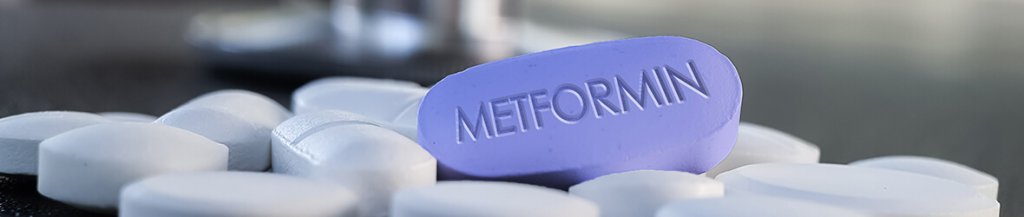
The common dosage for metformin ranges from 500 milligrams to a maximum of 2,550 milligrams per day. It’s usually in pill form and recommended to split the dose among meals, typically three times per day.
Types of Metformin
- Regular
- Extended-release (XR). Extended-release metformin can be taken just once a day.
How much metformin is an overdose?
There is no standard for what constitutes a metformin overdose. In general, a medication overdose occurs when you take more medication than is prescribed in a given time. Overdoses can be an accident or intentional, such as suicide attempts.
Accidentally taking an extra 1-2 tablets of metformin one time likely won’t cause any harm, so you probably don’t have to worry about rare slip-ups when you take an extra dose. However, doubling your prescribed dose for a prolonged period may increase your risk of medication toxicity.
Common Symptoms of Metformin Overdose
Based on case studies of metformin overdoses, the most common symptoms of a metformin overdose include:
- Nausea
- Vomiting
- Diarrhea
- Epigastric pain
- Increased thirst
- Reduced appetite
- Lethargy
- Increased breathing rate
- Hypotension (low blood pressure)
- Hypothermia
- Acute renal failure
- Coma
- Cardiac arrest
Overdose on Metformin Side Effects
Metformin comes in tablet form and usually involves taking several tablets each day. Taking medications comes with a risk of overdose, such as accidentally taking more tablets than you’re prescribed. Drug overdoses can be accidental or intentional – intentional drug overdoses are usually part of a suicide attempt.
What happens to your body if you overdose on metformin?
Metformin is cleared from your body by your kidneys. If you have excessive amounts of metformin in your system from an overdose, then your kidneys won’t be able to clear the medication from your system.
A medication overdose can damage your kidneys. If your kidneys aren’t working correctly, this can impact other aspects of your health since your kidneys also play a large role in regulating your blood pressure, among many other functions.
Serious Conditions
If you develop lactic acidosis, you’ll go into a state called metabolic acidosis. Metabolic acidosis is when your body’s pH level rises too much from the extra acid in your body. Metabolic acidosis is worsened when your kidneys can’t clear the excess acid from your system, which might happen if you have an acute (short-term) kidney injury from a metformin overdose.
Another case of (intentional) metformin overdose was in a 16-year-old girl who ingested 30-35 850 milligram metformin tablets (at least 25,500 milligrams). After being hospitalized for 48 hours, the patient died from multi-organ failure (2).
It’s estimated that 30-50% of metformin overdoses are fatal, but that number can be even higher if you’re already medically fragile, such as having kidney problems or being older in age. Cases of intentional overdoses, which was the case for the previous two examples, come with a higher mortality risk.
Metformin overdoses cause lactic acidosis, which is apparent in all documented cases of metformin overdoses. Another type of biguanide medication (the drug class metformin is in) called phenformin was recalled by the FDA in the 1970s because of a high rate of severe lactic acidosis.

Metformin Overdose Risks: lactic Acidosis
The main risk from overdosing on metformin is lactic acidosis. Lactic acidosis is a serious condition where your body creates more lactic acid than your body can clear.
The symptoms of lactic acidosis usually set in quickly and include:
- Abdominal or stomach discomfort
- Decreased appetite
- Diarrhea
- Fast, shallow breathing
- Discomfort
- Muscle pain or cramping
- Unusual sleepiness, tiredness, or weakness
Lactic acidosis is very rare when metformin is taken as prescribed. According to a position statement in the American Diabetes Association’s Diabetes Care, “When metformin is used as labeled, the increased risk of lactic acidosis is either zero or so close to zero that it cannot be factored into ordinary clinical decision making.” (3)
In one case, a 29-year-old man took over 60 grams of metformin, the equivalent of 60,000 milligrams (1). For perspective, the maximum daily dose of metformin is 2,550 milligrams. That patient suffered severe lactic acidosis and died a little over a day later.
If you have severe renal impairment or kidney disease, you might also be at greater risk of developing lactic acidosis because your kidneys can’t clear the lactic acid from your system.
What to do if one has overdosed on metformin
The maximum daily dose of metformin is 2550 mg. If you think you’ve overdosed on metformin, you should contact the Poison Control Centers at (800) 222-1222. Seek emergency medical care if symptoms of an overdose are being shown. If you or the person you know becomes unconscious, you should call 911 immediately.
The sooner you seek medical care; the more favorable your outcomes will likely be.
Treatment for a metformin overdose
If you seek medical attention for a potential metformin overdose, you’ll likely have several blood tests, such as blood glucose, serum lactate level, pH, anion gap, electrolytes, and more.
The treatment for a metformin overdose will depend on the severity and symptoms presented. For lactic acidosis, intravenous sodium bicarbonate is the main treatment. If a metformin overdose impacted your kidneys, you might receive dialysis until your kidneys recover.
For more minor cases, you might be observed in a hospital setting to ensure your vital signs and blood tests are stable before you’re sent home.
In some cases, a metformin overdose may be treated with methylene blue. In one case, methylene blue was used as a last line of therapy in a case of an intentional metformin overdose (4). The individual who was in severe shock and had metabolic acidosis ended up recovering with no long-term consequences.
Are there any long-term effects after overdosing on metformin?
If your metformin overdose is minor, you’ll likely have no long-term effects. The risk of long-term consequences is higher for severe cases of metformin overdose, such as intentional overdoses. You might suffer from kidney or heart problems after a severe metformin overdose, among other potential issues.
Conclusion
Metformin overdose is possible but is considered rare overall. The most serious and fatal metformin overdose cases occured with intentional overdoses in suicide attempts. In some cases, the doses were 30,000 milligrams and higher, compared to a typical maximum dose of 2,550 milligrams.
Taking an extra metformin tablet or two on occasion will likely bear no ill effects. If you think you’ve overdosed on metformin, contact the Poison Control Centers for guidance on whether you should seek emergency medical care.
This article is for informational purposes only and does not serve as medical advice. The details provided here are not a replacement for, and should never be depended upon as, professional medical advice. Always consult your physician regarding the potential risks and benefits of any treatment.
Our Medical Review Process
At Ben’s Natural Health, we are committed to maintaining the highest standards of accuracy, transparency, and scientific integrity. Every piece of content is carefully developed by medical professionals and undergoes a thorough review every 12 to 24 months. This ensures that our information remains current, reliable, and rooted in credible, evidence-based research. We reference only peer-reviewed studies from reputable medical journals, providing full citations and direct links to enhance trust and confidence. Learn more about our medical review process and research standards.
Our Editorial Guidelines
For over 25 years, Ben’s Natural Health has been a trusted source of scientifically backed, reliable health information. Our editorial guidelines uphold the highest quality and integrity for every article we publish. Each piece is written by qualified experts and undergoes independent quality checks. We prioritize transparency by clearly displaying contributor credentials and biographies at the beginning of every article. Read more about our editorial standards.
Medical Disclaimer
The content on this blog is for informational purposes only and should not be considered a substitute for professional medical advice, diagnosis, or treatment. While our articles are authored and reviewed by licensed medical professionals, they may not address your specific health concerns. Always consult a qualified healthcare provider before making any medical decisions.
Article Sources
- Suchard JR, Grotsky TA. Fatal metformin overdose presenting with progressive hyperglycemia. West J Emerg Med. 2008. https://www.ncbi.nlm.nih.gov/pmc/articles/PMC2672258/
- Sahin Sabiha, Binay Cigdem, Simsek Enver, Dinleyici Ener Cagri, Carman Kursat Bora. Hyperglycemia After Metformin Overdose: A Case Report. 2016. https://theijcp.org/index.php/ijcp/article/view/259/210
- Graham RE, Cartner M, Winearls J. A severe case of vasoplegic shock following metformin overdose successfully treated with methylene blue as a last line therapy. BMJ Case Rep. 2015. https://pubmed.ncbi.nlm.nih.gov/26150642/
- Misbin, Robert. The Phantom of Lactic Acidosis due to Metformin in Patients With Diabetes (2004) https://diabetesjournals.org/care/article/27/7/1791/24524/
Article Update History
Created on July 6, 2022
Explore More

Insulin Overdose: What To Do If You Take Too Much Insulin
Insulin is a vital hormone used to regulate blood sugar (glucose) in the body; however, taking too much insulin can be dangerous. Insulin is ...