9 Foods To Avoid When You First Get Braces & What To Eat Instead
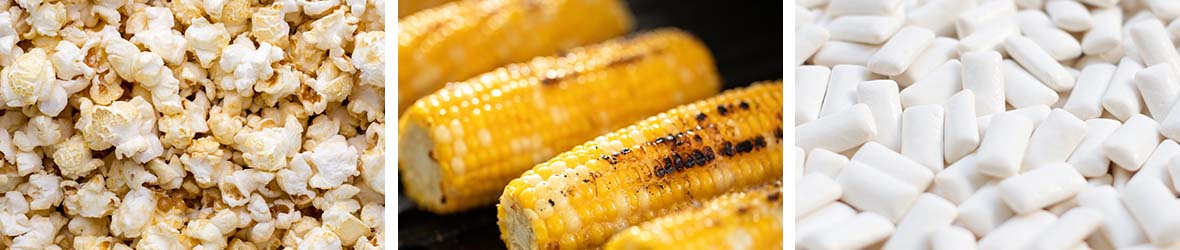


Having braces can be uncomfortable and inconvenient at times, but the reward of a healthy, straight smile makes it worth it.
To protect your investment and unnecessary trips to the orthodontist to repair broken braces, it’s best to avoid certain foods that are likely to pop off a bracket or break a wire in your braces.
In this article, we’ll review some foods to avoid with braces and give some alternatives to enjoy until you’re done with your treatment.
This article focuses on traditional bracket and wire braces, not newer types of braces that use aligners like Invisalign.
1) Chewing gum
Regular chewing gum sweetened with sugar isn’t recommended when you have braces. Not only is it sticky, but the sugar can promote cavities if it stays on your teeth too long.
Thanks to its sticky nature, sugary gum is more likely to reach places in your teeth (such as nestled next to brackets), which makes it harder to remove with brushing.
Some orthodontists might give you the okay to chew sugarless gum in moderation, but even sugar-free gum has the potential to get lodged in your braces if you’re not careful.
Your orthodontist can give you tips on how to chew sugarless gum if they give you the green light to use it with braces.
2) Chips, pretzels, etc.
Hard, crunchy snacks like chips, pretzels, and similar snacks have the potential to get lodged against a bracket and pop it off or snap a wire on your braces.
Either kind of damage requires an extra visit to your orthodontist to fix it, so it’s best to avoid these foods for the duration of your orthodontic treatment.
Try veggie crisps instead
If you’re craving a crunchy, salty snack with braces, you might want to consider eating snacks like freeze-dried peas or veggie crisps, which tend to be a bit softer than chips and pretzels.
Another tip to help prevent damage to your braces from crunchy snacks is to let them sit in your mouth to soften from your saliva before you begin chewing them.
3) Crunchy fruits and vegetables
Having braces might be the only time you’re advised not to eat certain vegetables. While veggies are incredibly nutritious and a great snack choice, raw veggies should be avoided during the duration of your braces treatment.
Try cooked veggies and soft fruit instead
Cooked vegetables are fine to have and are recommended so you don’t miss out on the nutrients in vegetables while you have your braces.
Fruit is also fine as long as you’re not biting directly into it, like apples. Instead, choose sliced or canned fruit, or enjoy a fruit smoothie with yogurt.
4) Ice
Chewing ice is never recommended for your dental health, with or without braces. According to a dentist from the University of Utah School of Dentistry, chewing ice can damage the enamel of your teeth and lead to small cracks that you might not even be able to see at first.
Over time, these cracks can get larger and eventually break your tooth.
Ice is even more of a no-go with braces since it can easily pop a bracket while you’re gnashing away at it.
5) Granola and hard cereal
Granola is a type of cold cereal that is especially hard and crunchy, thanks to ingredients like toasted oats and nuts.
While oats and nuts are healthy for you, they aren’t a friend during your braces treatment.
Try soft cereal instead
If you do want to eat granola, soak it in milk first to get it soft, or skip it altogether and enjoy the benefits of oats in cooked oatmeal, which is orthodontist-approved.
In general, avoid extra-crunchy cereal (like Grape Nuts) and choose softer cereal like Rice Krispies, Cheerios, etc.
6) Hard bread
Bread with hard crusts, like artisan bread and hard pizza crusts, can easily damage the hardware in your braces, so you should avoid these foods.
Try soft bread instead
Softer bread (like sliced bread in loaves to make sandwiches) is generally fine to eat while you have braces.
7) Nuts
Nuts are one of the most well-known foods to avoid with braces. They’re hard and crunchy and just waiting to get lodged next to a bracket and pop it off.
Try smooth nut butter instead
If you want to enjoy the taste and health benefits of nuts, consider smooth nut butter (not crunchy) until you get your braces off.
8) Popcorn
Along with nuts, popcorn is usually one of the first foods your orthodontist will tell you to stay away from until you’re done with your orthodontic treatment.
Popcorn kernels are notorious for damaging your braces. They can get lodged between your teeth (even without braces!) and are harder to remove with all of the extra hardware on your teeth.
9) Sticky and hard candy
Not only is candy high in sugar that can promote tooth decay, but sugar is harder to remove with brushing and flossing while you have braces on.
Add in the fact that candy is often hard, sticky, and often both, and it’s a recipe for disaster if you have braces.
Lollipops, taffy, fruit chews, caramel, jawbreakers, and anything in between should be avoided with braces.
If you want to enjoy some candy while you have braces, the American Association of Orthodontists suggests candy like:
- Peanut butter cups
- Chocolate (without nuts or caramel)
- Cookies
Remember that eating candy can make it more likely to develop cavities, so remember to eat candy in moderation and try to brush your teeth after you enjoy a sweet treat.
Conclusion
- Certain foods are more likely to damage your braces, which can result in extra trips to the orthodontist for repair. It might also extend the time you need braces, which could result in tooth decay and extra cost in treatment.
- Avoid foods that are hard, crunchy, or sticky while wearing braces, especially if they also have sugar.
- If you have questions about what you should and shouldn’t eat during your orthodontic treatment, reach out to your orthodontist.
This article is for informational purposes only and does not serve as medical advice. The details provided here are not a replacement for, and should never be depended upon as, professional medical advice. Always consult your physician regarding the potential risks and benefits of any treatment.
Our Medical Review Process
At Ben’s Natural Health, we are committed to maintaining the highest standards of accuracy, transparency, and scientific integrity. Every piece of content is carefully developed by medical professionals and undergoes a thorough review every 12 to 24 months. This ensures that our information remains current, reliable, and rooted in credible, evidence-based research. We reference only peer-reviewed studies from reputable medical journals, providing full citations and direct links to enhance trust and confidence. Learn more about our medical review process and research standards.
Our Editorial Guidelines
For over 25 years, Ben’s Natural Health has been a trusted source of scientifically backed, reliable health information. Our editorial guidelines uphold the highest quality and integrity for every article we publish. Each piece is written by qualified experts and undergoes independent quality checks. We prioritize transparency by clearly displaying contributor credentials and biographies at the beginning of every article. Read more about our editorial standards.
Medical Disclaimer
The content on this blog is for informational purposes only and should not be considered a substitute for professional medical advice, diagnosis, or treatment. While our articles are authored and reviewed by licensed medical professionals, they may not address your specific health concerns. Always consult a qualified healthcare provider before making any medical decisions.
Article Sources
- Guo Q, Liao C, Guan X, Xiao L, Xiang M, Long S, Liu J, Xiang M. Effect of chewing gum on orthodontic pain in patients receiving fixed orthodontic treatment: a systematic review and meta-analysis. Eur J Med Res. 2023 Nov 8;28(1):491. doi: 10.1186/s40001-023-01467-y. PMID: 37936237; PMCID: PMC10631172.
- American Association of Orthodontists. Guide to Eating Candy With Braces.
- University Of Utah Health. Love Chewing Ice? It’s Not Good For Your Teeth.
- Atassi F, Awartani F. Oral hygiene status among orthodontic patients. J Contemp Dent Pract. 2010 Jul 1;11(4):E025-32. PMID: 20953561.
- DiPasquale TJ. Reconditioning and reuse of orthodontic devices. Am J Orthod Dentofacial Orthop. 1992 Aug;102(2):187-9. doi: 10.1016/S0889-5406(05)81229-6. PMID: 1636637.
Article Update History
Created on March 15, 2024
Explore More
Blue Zones Diet: Foods To Eat and Avoid For A Longer Life
You might have heard about the Blue Zones Diet before, but do you know where it came from and what foods it involves? The ...