What Are The Symptoms Of Low DHEA Levels?





Many years can go by before science understands what happens with chemicals in the organism.
DHEA is one example. This substance was isolated in the blood in 1944.
More than 10 years later, another study reported that the adrenal gland was responsible for releasing both DHEA and its sulfated version DHEAS.
Since then, many studies have focused on its role in the body.
With years of background and research, we now understand low DHEA symptoms and how to increase DHEA in men and women.
Despite being a so-called “minor” steroid hormone, it has many applications and interacts with almost every cell in the body.
What is DHEA?
First, let us define DHEA. It stands for Dehydroepiandrosterone. As the name implies, it has a similar structure to sex hormones, especially testosterone. DHEA has an activated version called DHEA sulfate, also known as DHEAS hormone.
Both DHEA and DHEA sulfate are synthesized mainly by the adrenal gland. It is also produced in the testicles and ovaries. Moreover, brain cells also have a limited production of this hormone.
DHEA is involved in the synthesis of testosterone and estradiol in men and women. And even if DHEA is not as potent as testosterone, it has a vital role in males with low testosterone levels. For instance, it maintains DHT levels in the prostate when testosterone production is deficient.
In women, DHEA contributes to up to 90% of circulating sex hormones after menopause. As such, DHEA levels are important for both men and women.
The DHEA normal range depends on the individual’s age. It is very high during fetal life; it falls after birth and goes back up around 6-8 years of age.
After that time, DHEA levels keep rising until they reach a standard value of 1 to 10 µmol in healthy adults. After that, and as we age, DHEA levels start to drop, and some older adults have DHEA deficiency (1).
What are the symptoms of low DHEA levels?
Normal DHEA levels are very important for women but also for men. This hormone is similar to testosterone and plays an important role in various tissues. Thus, low DHEA symptoms may include several body systems simultaneously.
For instance:
Weight gain
Low DHEA levels cause hormonal imbalance. This problem involves sex hormones, which affect energy metabolism and water retention. Altogether, this leads to weight gain.
DHEA supplementation may solve the problem, and it is known to reduce fat mass in older adults. What it does is change how liver cells work and modulate fat metabolism.
When you have normal DHEA levels, you are less likely to experience the effects of genetic and diet-induced obesity (2).
Depression
This is a pervasive problem in our society and is particularly common in older adults. As noted above, brain cells produce some DHEA, and this hormone regulates energy levels and much more.
Depression is a very complex mental health problem, and DHEA can sometimes play a part.
Some studies show a correlation between poor life satisfaction and low DHEA levels. These patients experience poor psychosocial stress and behavioral changes. Very high DHEA levels may also lead to disinhibition and risky behaviors (3).
Lower sex drive
DHEA is a sex hormone, and low DHEA symptoms are expected to include sexual dysfunction.
Studies show that patients with erectile dysfunction are more likely to have low DHEA levels. In women, DHEA plays a vital role in keeping hormone levels after menopause. Thus, lower DHEA levels can be why they have lower sex drive after this period (4).

Psoriasis and inflammation
DHEA is often called the youth hormone, and it helps maintain skin health. Patients with inflammation problems, allergies, and psoriasis may benefit from cytokine modulation by DHEA. This hormone changes how your immune cells synthesize inflammatory mediators.
DHEA is a steroid hormone. As with most steroids, it suppresses the expression of inflammatory substances.
During sepsis, DHEA suppression may reduce the severity of the condition. In lupus erythematosus, DHEA supplementation may reduce disease activity (5).
Fractures and brittle bones
Similar to estrogen and testosterone, DHEA also influences bone health. A DHEA normal range reduces the risk of osteoporosis and osteopenia.
Bone problems associated with age are more severe when your DHEA levels are low and other sex hormones are.
Studies show that people with lower DHEAS levels also have low bone mass density. Clinical studies using DHEA replacement therapy in men and women showed an increase in bone mass density at the femoral neck (6).

Memory problems
Low DHEA levels and DHEA sulfate may lead to poor brain maturation. This hormone is very important for brain function as well.
It works on a brain region called the hippocampus. This region is used during cognition and memory recollection. That’s why memory problems are sometimes a result of low DHEA levels.
Some studies suggest that DHEA supplementation may come in handy to prevent or control Alzheimer’s disease. However, there is still much to cover before it can be applied as a therapy (7).
What happens if your DHEA levels are too low?
As noted above, DHEA is a steroid and counts as a sex hormone. It is similar to a male hormone and can be converted into testosterone. But DHEA has an independent role in cells throughout the body.
Many studies correlate DHEA levels with aging and its manifestations. It has cardiovascular implications and may increase cardiovascular risk.
Very low DHEA levels may lead to mood swings and emotional disturbances. Fracture risk increases, and DHEA levels are important for the skeletal muscle. Old age features failure of all of these systems, and DHEA could be one of the reasons.
What causes low DHEA levels? We often say that old age does. But maybe there’s a more profound correlation we still need to figure out.
How to test DHEA levels
DHEA sulfate and DHEA blood test is the best method to check your serum levels of this hormone.
This is a regular blood test that measures levels of this steroid substance. The sample is taken from your veins and processed in the lab.
To prepare for a DHEA test, you need to stop taking athletic performance enhancers. Some of them may include DHEA or similar substances as ingredients.
DHEA’s normal range goes from 1 to 10 µmol per deciliter and depends on your age.
If you are 18 to 19 years old, the usual range is 4 to 10 µmol per deciliter and continues under this range until age 30 years. After that, DHEA normal range starts to decline.
Should low DHEA be treated?
DHEA sulfate is an essential precursor of a variety of steroids. It affects the cells and contributes to hormonal balance, especially in women and older age.
It works with neurotransmitter receptors and modulates mood and sexuality in the brain. In adrenal insufficiency, it influences a variety of mood disorders.
Low DHEA symptoms are not particularly dangerous. Still, low DHEAS treatment is warranted in some cases.
Not all professionals agree on how to treat low DHEA symptoms. There is some evidence about DHEA supplementation, but it is not considered standard medical treatment yet (8).
Can you increase DHEA naturally?
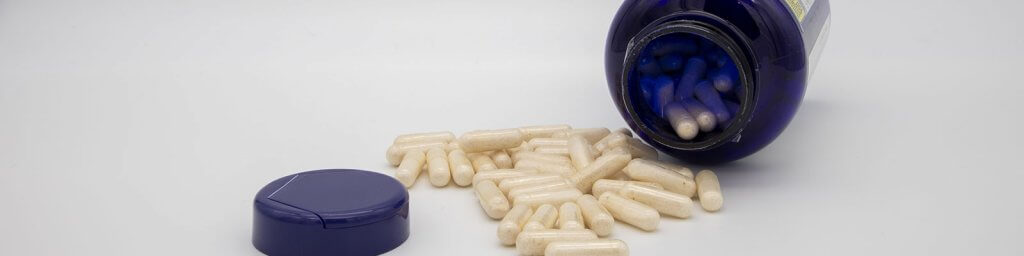
How to increase DHEA naturally? Many have proposed ways to achieve a higher DHEA level.
It usually includes the use of DHEA supplements. However, treatment with supplements may not always work, and not all studies are consistent.
There is still much to research before finding a solution in medical treatment or natural remedies.
Still, many users have found significant improvements after following simple lifestyle recommendations. They contribute to relieving the signs and symptoms, but there are still no formal studies to see how lifestyle changes and natural remedies affect DHEA serum levels.
How to naturally increase DHEA
Here’s a list of how to increase DHEA in men and women through lifestyle recommendations:
- Cope with stress to maintain your cortisol levels at bay and facilitate adrenal function
- Get a good night’s sleep to keep your energy levels
- Exercise often, as it has been shown beneficial in promoting steroid production. It may also help with your mood and cardiovascular health.
- Eat a balanced diet and do not leave healthy fats out of the menu. Remember that steroids are created with cholesterol.
Conclusion
Low DHEA symptoms are varied and similar to those found in low testosterone levels.
DHEA and DHEA sulfate are steroids synthesized in the adrenal gland. It influences your sex hormone levels and interacts with tissues throughout the body.
Low levels of the DHEAS hormone can cause low energy levels, low sex drive, depression, and weight gain. Other symptoms include memory problems and allergies. DHEA also contributes to keeping your bone tissue healthy and strong.
Different methods have been tried to maintain DHEA normal range. This article also listed how to increase DHEA in men using a few lifestyle recommendations. However, more studies are warranted to know for sure what works to increase serum levels and how.
This article is for informational purposes only and does not serve as medical advice. The details provided here are not a replacement for, and should never be depended upon as, professional medical advice. Always consult your physician regarding the potential risks and benefits of any treatment.
Zain Maqbool
MD – Endocrinology, Prostate & Metabolic Health
Dr. Zain Maqbool, MD, is a physician and Medical Director at Skimz Center, specializing in endocrinology, prostate health, and metabolic disorders.
Our Medical Review Process
At Ben’s Natural Health, we are committed to maintaining the highest standards of accuracy, transparency, and scientific integrity. Every piece of content is carefully developed by medical professionals and undergoes a thorough review every 12 to 24 months. This ensures that our information remains current, reliable, and rooted in credible, evidence-based research. We reference only peer-reviewed studies from reputable medical journals, providing full citations and direct links to enhance trust and confidence. Learn more about our medical review process and research standards.
Our Editorial Guidelines
For over 25 years, Ben’s Natural Health has been a trusted source of scientifically backed, reliable health information. Our editorial guidelines uphold the highest quality and integrity for every article we publish. Each piece is written by qualified experts and undergoes independent quality checks. We prioritize transparency by clearly displaying contributor credentials and biographies at the beginning of every article. Read more about our editorial standards.
Medical Disclaimer
The content on this blog is for informational purposes only and should not be considered a substitute for professional medical advice, diagnosis, or treatment. While our articles are authored and reviewed by licensed medical professionals, they may not address your specific health concerns. Always consult a qualified healthcare provider before making any medical decisions.
Article Sources
- Klinge, C. M., Clark, B. J., & Prough, R. A. (2018). Dehydroepiandrosterone research: past, current, and future. Vitamins and hormones, 108, 1-28. https://pubmed.ncbi.nlm.nih.gov/30029723/
- Aoki, K., & Terauchi, Y. (2018). Effect of dehydroepiandrosterone (DHEA) on diabetes mellitus and obesity. Vitamins and hormones, 108, 355-365. https://pubmed.ncbi.nlm.nih.gov/30029734/
- do Vale, S., & Escera, C. (2018). Dehydroepiandrosterone and Dehydroepiandrosterone-Sulfate and Emotional Processing. Vitamins and hormones, 108, 413-441. https://pubmed.ncbi.nlm.nih.gov/30029737/
- El-Sakka, A. I. (2018). Dehydroepiandrosterone and erectile function: a review. The world journal of men’s health, 36(3), 183-191. https://www.ncbi.nlm.nih.gov/pmc/articles/PMC6119841/
- Prall, S. P., & Muehlenbein, M. P. (2018). DHEA modulates immune function: a review of evidence. Vitamins and hormones, 108, 125-144. https://pubmed.ncbi.nlm.nih.gov/30029724/
- Zhou, S., & Glowacki, J. (2018). Dehydroepiandrosterone and bone. In Vitamins and Hormones (Vol. 108, pp. 251-271). Academic Press. https://pubmed.ncbi.nlm.nih.gov/30029729/
- Quinn, T., Greaves, R., Badoer, E., & Walker, D. (2018). DHEA in prenatal and postnatal life: implications for brain and behavior. Vitamins and Hormones, 108, 145-174. https://pubmed.ncbi.nlm.nih.gov/30029725/
- Hinson, J. P., & Raven, P. W. (1999). DHEA deficiency syndrome: a new term for old age?. Journal of Endocrinology, 163(1), 1-5. https://pubmed.ncbi.nlm.nih.gov/10495400/
Article Update History
Reviewer:
Created on May 19, 2022
Explore More

What Does Porn Addiction Look Like? 5 Signs To Be Aware Of
Pornography, commonly referred to as 'porn, is a big umbrella term for any visual substance or material that is intended to cause sexual arousal. ...