5 Ways To Naturally Get Rid Of Your Urinary Symptoms




Article Summary
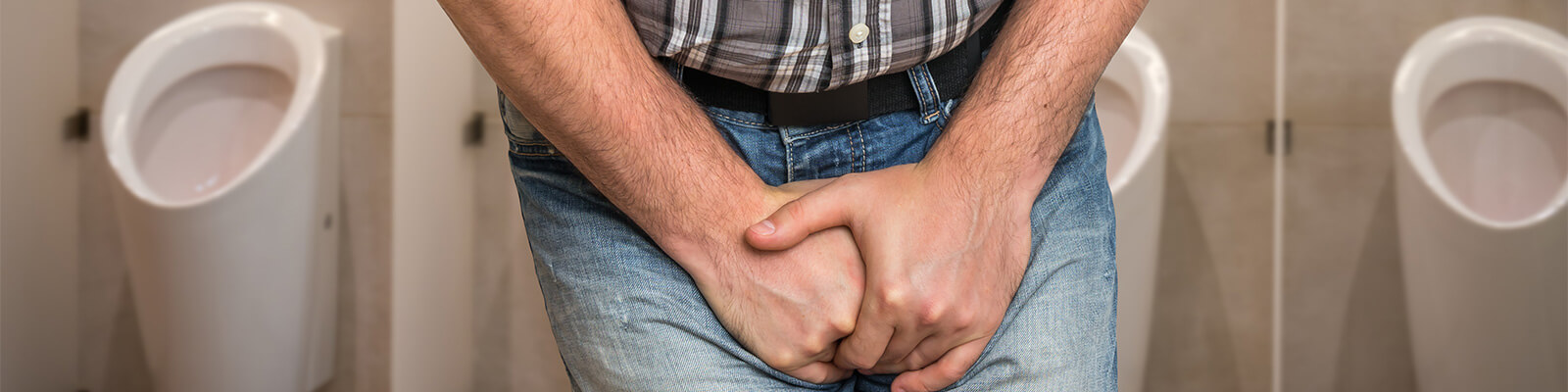
- Symptoms such as urinary retention, nocturia, and dysuria are bothering and reduce the quality of life.
- In males, they are often due to prostate issues, bladder problems, kidney stones, or consequences of complicated diabetes.
- The methods outlined in this article can help you get rid of your urinary symptoms safely, without side effects.
Bathroom trips every hour, a sluggish stream, that burning sting, you’re far from alone in dealing with these, and plenty of people want to manage them without immediately turning to medication. For mild lower urinary tract symptoms (LUTS), lifestyle and dietary changes backed by evidence can genuinely move the needle. Knowing which 5 ways to naturally get rid of your urinary symptoms carry the strongest research support gives you a real place to start before any prescription enters the picture.
What Causes Urinary Symptoms and Why They Happen
Urinary symptoms develop through several different mechanisms, and the right approach depends on which one is at play for you. Bacteria, bladder muscle dysfunction, prostate enlargement, and inflammation can all produce similar complaints, which is why natural methods work well for some situations but not others.
Common urinary symptoms in men
Men tend to show up with frequent urination at night (nocturia), a weak or stop-and-start stream, sudden urgency, painful or burning urination, and a feeling that the bladder never fully empties. Less commonly, frequent urination signals an underlying infection. A urinary tract infection (UTI) in men is rarer than in women, but it does happen, especially in men who already have an enlarged prostate.
Why these symptoms develop
The enlarged prostate (benign prostatic hyperplasia, or BPH) is one of the most common culprits. A 2025 analysis in Scientific Reports found a 122% increase in global BPH cases between 1990 and 2021, and a meta-analysis of 32 studies across 25 countries put the 26.20% lifetime BPH prevalence globally. Overactive bladder (OAB) is another major driver, a 2025 meta-analysis found a global OAB prevalence of 20%, rising to nearly 24% in recent surveys. You can find a detailed breakdown of BPH’s reach at BPH statistics.
Natural approaches are appropriate for mild symptoms tied to irritation, muscle dysfunction, or early prostate changes. Confirmed infections or structural problems require medical treatment first.
Dietary Changes That May Help
What you eat and drink directly affects how your bladder behaves. Cutting out the foods and drinks that irritate the urinary tract and staying properly hydrated is one of the simplest, most immediate things you can do.
Reduce irritants and inflammatory foods
Some foods push the bladder muscle to contract more than it should, or stoke inflammation along the urinary tract lining. A 2024 Springer Nature chapter on natural products for urinary tract dysfunction names dietary modification as a front-line non-pharmacological option. Cutting back on foods that irritate the bladder and urethra won’t cure a disease, but it can meaningfully dial down inflammation and bladder overactivity. Choosing anti-inflammatory foods as replacements for those irritants can support the urinary tract lining rather than aggravate it.
Which beverages and foods are the most common bladder irritants?
| Category | Common irritants | Why they’re a problem |
| Caffeinated drinks | Coffee, tea, energy drinks | Caffeine is a diuretic and bladder stimulant |
| Alcohol | Beer, wine, spirits | Increases urine production, irritates the lining |
| Spicy foods | Chili peppers, hot sauces | Trigger bladder overactivity in sensitive people |
| Artificial sweeteners | Aspartame, saccharin | Associated with increased urinary frequency |
| Acidic foods | Citrus, tomatoes | Can aggravate an already irritated bladder |
The Institute for Natural Medicine notes that reducing bladder irritants like caffeine and alcohol is among the most consistently recommended dietary steps for urinary symptom relief. And for ideas on what to add to your diet rather than remove, foods to increase urine flow covers practical options.
Stay hydrated properly
How much water you actually need each day for urinary health isn’t a simple answer. A 2025 ICI-RS consensus published in Neurourology and Urodynamics concluded that water intake guidelines lack LUTS specificity, most hydration recommendations don’t factor in lower urinary tract symptoms at all. The consensus points to urine color and output as a practical guide, with pale yellow as the target. A 2022 GBD analysis also supports adequate fluid intake as protective against recurring UTIs.
Drink most of your fluids earlier in the day, and taper off in the two to three hours before bed to reduce nighttime trips to the bathroom. People managing diabetes should be aware that excessive urinary output can compound dehydration and make fluid timing even more important.
Natural Supplements and Plant Compounds
Several plant-based compounds have been studied for urinary symptom support. Evidence quality varies considerably, some have strong randomized controlled trial (RCT) data behind them, and others are supported mainly by small or preclinical studies. Here’s an honest read of where things stand.
What the research shows
Cranberry is the most thoroughly studied natural compound for urinary tract support. A 2023 Cochrane review covering 50 trials and 8,857 participants found that cranberry reduces UTI risk 26% overall, with a 32% relative risk reduction specifically in women with recurrent UTIs. A 2024 meta-analysis in Frontiers in Nutrition found the benefit showed up most consistently when daily proanthocyanidin (PAC) intake hit at least 36 mg. Below that threshold, the effect wasn’t statistically significant. So the PAC content printed on a supplement label actually matters when you’re making a choice.
Unsweetened cranberry may help protect the urinary tract because its active compounds – proanthocyanidins – appear to stop bacteria, particularly E. coli, from sticking to urinary tract walls. It’s an anti-adhesion effect, not an antibiotic one. It won’t clear an existing infection, but it may support prevention. Research on plant extracts for UTI points to this exact mechanism as the reason cranberry products show benefit in recurring-UTI populations.
For men dealing with BPH-related urinary symptoms, saw palmetto, stinging nettle root, and pumpkin seed extract have been studied, according to evidence-based herbs for BPH. Results are mixed and generally modest. Pumpkin seed extract and stinging nettle have more supportive data than saw palmetto for symptom relief.
What is D-mannose and how may it support urinary tract health?
D-mannose is a naturally occurring sugar found in fruits. Like cranberry, it may support urinary health by interfering with bacterial adhesion to the urinary tract walls. But the evidence is less settled. A 2024 randomized clinical trial published in JAMA Internal Medicine (one of the most rigorous tests so far) found that D-mannose did not significantly outperform placebo in a community-based trial of 598 women. This doesn’t mean it has no benefit, but it does mean cranberry products currently have a stronger evidence base. If you want to look into home remedies for UTI, cranberry is the better-evidenced starting point.
Probiotics also have a role here. Specific strains – particularly Lactobacillus rhamnosus and Lactobacillus reuteri – have been studied for their ability to support a healthy urinary and vaginal flora balance, which may cut recurrent UTI risk. This matters most for women with repeat infections; the mechanism works by rebuilding a bacterial environment that’s less welcoming to pathogens. Evidence remains early-stage and strain-specific, so a generic probiotic won’t necessarily deliver the same result. For broader management of an irritated bladder or urine urgency, combining several strategies tends to outperform any single supplement on its own.
Safety and interactions
“Natural” doesn’t mean risk-free. Cranberry may interact with blood thinners, people on warfarin who adjust their diet need to be especially cautious about adding cranberry supplements, as the combination can affect bleeding risk. Saw palmetto and stinging nettle may affect hormone metabolism and could interact with finasteride or other medications for prostate symptoms. Always talk to your doctor or pharmacist before adding a supplement if you’re on any prescription medication. Resources like The Healthy’s natural remedies guide also note that supplements are not a replacement for antibiotic treatment when an active infection is confirmed.
Lifestyle and Behavioral Adjustments
Some of the most durable improvements in urinary symptoms come from behavioral changes, not bottles. These take consistency, but the evidence is strong.
Pelvic floor exercises
Pelvic floor muscle training (PFMT) – the Kegel exercises you’ve probably heard about – is the most evidence-backed behavioral treatment for urinary incontinence and storage symptoms. A 2025 systematic review and meta-analysis found a 92% improvement chance with PFMT versus controls, with 14 of 15 studies showing gains in pelvic floor function. Results don’t appear before at least 12 weeks of consistent practice, and a maintenance routine is needed to hold them. A structured bladder training program works alongside PFMT for storage symptoms by stretching the intervals between voids, starting with a 5-minute delay when the urge hits, then lengthening that window week by week.
Can a heating pad help with urinary discomfort? Yes, as a comfort measure. Applying gentle heat to the lower abdomen may ease urinary spasms by promoting muscle relaxation around the bladder. This doesn’t address the underlying cause but can make the discomfort more manageable while other approaches take effect. Keep heat to a low-to-medium setting and limit application to 15 to 20 minutes at a time.
Manage fluid intake timing
Spreading fluid intake evenly across the day prevents the bladder from being swamped in short windows. Don’t drink large amounts in one sitting, and stop fluids two to three hours before bed. Cutting caffeine and alcohol tends to produce a noticeably quicker drop in urgency frequency for many people. Drinking water at strategic times during the day, combined with behavioral habits like taking bathroom breaks promptly and wearing breathable clothing, can help prevent urinary tract infections, as detailed in 9 ways to prevent a UTI.
Reduce stress and improve sleep
Stress and poor sleep don’t directly cause urinary symptoms, but both make bladder overactivity worse. Cortisol and the nervous system’s fight-or-flight response heighten bladder sensitivity. Regular physical activity, limiting screens before bed, and keeping a consistent sleep schedule all support the parasympathetic nervous system function that bladder control depends on. Weight matters too, excess abdominal weight presses on the bladder and worsens both urgency and leakage, so even modest loss helps.
When Natural Approaches Take Effect
Realistic timelines matter here, because impatience leads people to abandon approaches that actually work. Timelines vary by symptom type.
Hydration changes can shift how your bladder feels within a few days, particularly if dehydration was contributing to concentrated, irritating urine. If you’ve been wondering whether dehydration causes a UTI, the answer is that chronic dehydration creates conditions that make infection more likely, and correcting that is one of the fastest changes to make.
Cutting dietary irritants usually produces noticeable changes within one to two weeks. Cranberry supplementation, based on the studies that support it, needs at least 12 to 24 weeks of consistent use at an adequate PAC dose to meaningfully shift recurrent UTI risk, short trials at low doses routinely show no benefit. PFMT for incontinence takes a minimum of 12 weeks to produce consistent results, and some people need up to six months. For men dealing with BPH-related voiding symptoms, plant extract supplements generally need eight to twelve weeks before any symptomatic shift appears.
A 2025 Scientific Reports review of global BPH burden shows how longstanding and progressive these conditions tend to be, which is part of why the research on natural approaches to frequent nighttime urination consistently recommends combining multiple strategies rather than relying on any single one. And a 2025 PMC review on plant compounds for UTI reinforces that plant-based UTI interventions show more benefit over longer, consistent use periods than short-term trials suggest.
Red Flags and When to See a Doctor
Natural approaches are suitable for mild, uncomplicated symptoms. Some situations require medical evaluation right away.
See a doctor if you notice:
- Blood in your urine, this is never normal and needs investigation
- Fever with urinary symptoms, a sign the infection may have reached the kidneys
- Sudden inability to urinate, acute urinary retention is a medical emergency
- Severe or worsening pelvic or back pain alongside urinary changes
- Symptoms that don’t improve after two to three days of home care
50 to 60% of women experience a UTI at some point in their lives, and 20 to 24% have a recurrence within a year, which makes natural prevention genuinely useful. But natural methods don’t replace antibiotics when a culture confirms a bacterial UTI. Untreated infections can travel to the kidneys and cause serious harm. A thorough look at UTI symptoms in men can help you recognize when it’s time to see a doctor.
The Urology Journal notes that natural remedies are best positioned as preventive and supportive measures, not first-line treatment for active UTIs or structural urinary problems. And with LUTS affecting over 60% of adults by age 40 globally, early assessment and a clear diagnosis from your healthcare provider give you the best foundation for choosing the right approach.
This article is informational only and is not a substitute for professional medical advice.
Frequently Asked Questions
Can pelvic floor exercises help men with urinary symptoms?
Yes. PFMT isn’t only for women. Men recovering from prostate surgery or dealing with urge incontinence and bladder control issues benefit measurably from pelvic floor training. Consistent practice over 12 or more weeks produces the clearest results.
Is it safe to use supplements alongside prescription prostate medication?
Some natural supplements, including saw palmetto and cranberry, can interact with medications like blood thinners or 5-alpha reductase inhibitors. Always tell your prescribing doctor about any supplements you’re taking. Don’t stop prescribed medication without medical guidance.
How do I know whether my symptoms are from a UTI or an enlarged prostate?
Both conditions produce urgency, frequency, and weak flow, but a UTI typically adds burning, cloudy urine, and sometimes fever. Enlarged prostate symptoms tend to develop gradually rather than appearing suddenly. A simple urine test can tell the two apart, and a doctor can assess prostate size directly. Guessing without testing isn’t reliable.
Can urinary incontinence be improved without medication?
For many people, yes. Pelvic floor training, bladder training, weight management, and reducing bladder irritants have strong evidence behind them for stress and urge incontinence. Results take weeks of consistency, but these approaches are often tried before or alongside medication.
Are there natural tips for reducing an overactive bladder?
Cutting caffeine and alcohol, timed voiding, natural bladder care strategies, and pelvic floor exercises are the most evidence-backed options. Combining two or three of these tends to produce better results than focusing on just one.
Conclusion
Dietary changes, targeted hydration, evidence-backed supplements, pelvic floor training, and behavioral adjustments, these 5 ways to naturally get rid of your urinary symptoms each carry real weight, and combining them consistently over weeks and months produces the best outcomes. Nothing works overnight, and none of this replaces medical care when a confirmed infection or structural problem is present. Talk to your doctor first to confirm what’s actually driving your symptoms, then build your plan from there.
This article is for informational purposes only and does not serve as medical advice. The details provided here are not a replacement for, and should never be depended upon as, professional medical advice. Always consult your physician regarding the potential risks and benefits of any treatment.
Dr. Howard Tay
MD, FACS, Board-Certified Urologist
Dr. Howard Tay, MD, FACS, is a board-certified urologist in Arizona with 25+ years of experience, recognized as a “Top Doc” by Phoenix Magazine.
Our Medical Review Process
At Ben’s Natural Health, we are committed to maintaining the highest standards of accuracy, transparency, and scientific integrity. Every piece of content is carefully developed by medical professionals and undergoes a thorough review every 12 to 24 months. This ensures that our information remains current, reliable, and rooted in credible, evidence-based research. We reference only peer-reviewed studies from reputable medical journals, providing full citations and direct links to enhance trust and confidence. Learn more about our medical review process and research standards.
Our Editorial Guidelines
For over 25 years, Ben’s Natural Health has been a trusted source of scientifically backed, reliable health information. Our editorial guidelines uphold the highest quality and integrity for every article we publish. Each piece is written by qualified experts and undergoes independent quality checks. We prioritize transparency by clearly displaying contributor credentials and biographies at the beginning of every article. Read more about our editorial standards.
Medical Disclaimer
The content on this blog is for informational purposes only and should not be considered a substitute for professional medical advice, diagnosis, or treatment. While our articles are authored and reviewed by licensed medical professionals, they may not address your specific health concerns. Always consult a qualified healthcare provider before making any medical decisions.
Article Sources
- Chen, Xin, Yang, Siyuan, He, Zhangxin, Chen, Zihao, Tang, Xinling, Lin, Yuxin, et al. (2025). Comprehensive analysis of the global, regional, and national burden of benign prostatic hyperplasia from 1990 to 2021. Scientific Reports, 15(1), 5644. https://doi.org/10.1038/s41598-025-90229-3
- Qizhou Mo, Fengyi Wang, Haiqi Liang, Yujian Li, Min Qin, & Jiwen Cheng (2025). Tracking and analysis of benign prostatic hyperplasia and prostate cancer burden globally: 1990–2021 epidemiological trends. Translational Andrology and Urology, 14(3), 76478-76778. https://doi.org/10.21037/tau-2025-12
- Zhang L, Cai N, Mo L, Tian X, Liu H, & Yu B (2025). Global Prevalence of Overactive Bladder: A Systematic Review and Meta-analysis. International urogynecology journal, 36(8), 1547-1566. https://doi.org/10.1007/s00192-024-06029-2
- Lederer, Ann-Kathrin, & Michel, Martin C. (2025). Natural Products in the Treatment of Lower Urinary Tract Dysfunction and Infection. https://doi.org/10.1007/164_2024_708
- Treating Urinary Tract Infections Naturally – Institute for Natural Medicine. Institute for Natural Medicine. https://naturemed.org/treating-urinary-tract-infections-naturally/
- https://onlinelibrary.wiley.com/doi/10.1002/nau.25601
- Stonehouse W, Benassi-Evans B, Bednarz J, & Vincent AD (2025). Whole cranberry fruit powder supplement reduces the incidence of culture-confirmed urinary tract infections in females with a history of recurrent urinary tract infection: A 6-month multicenter, randomized, double-blind, placebo-controlled trial. The American journal of clinical nutrition, 121(4), 932-941. https://doi.org/10.1016/j.ajcnut.2025.01.022
- https://www.mdpi.com/1467-3045/47/8/591
- Natural Prostate Remedies: Evidence-Based Herbs and Nutrients for BPH and Urinary Health. Dr. Radoff. https://alternativemedicalcareofarizona.com/2025/12/29/natural-prostate-remedies-evidence-based-herbs-and-nutrients-for-bph-and-urinary-health/
- 8 Natural Home Remedies for a UTI, According to Women’s Health Experts. The Healthy. https://www.thehealthy.com/uti/natural-remedies-for-uti/
- Marcellou EG, Stasi S, Giannopapas V, Bø K, Bakalidou D, Konstadoulakis M, et al. (2025). Effect of pelvic floor muscle training on urinary incontinence symptoms in postmenopausal women: A systematic review and meta-analysis. European journal of obstetrics, gynecology, and reproductive biology, 304, 134-140. https://doi.org/10.1016/j.ejogrb.2024.11.040
- Lee, Shaun Wen Huey, Chan, Esther Mei Ching, & Lai, Yin Key (2017). The global burden of lower urinary tract symptoms suggestive of benign prostatic hyperplasia: A systematic review and meta-analysis. Scientific Reports, 7(1), 7984. https://doi.org/10.1038/s41598-017-06628-8
- Ya-Ting Hsu, Hsien-Chang Wu, Chung-Che Tsai, Yao-Chou Tsai, & Chan-Yen Kuo (2025). Plant Extracts and Natural Compounds for the Treatment of Urinary Tract Infections in Women: Mechanisms, Efficacy, and Therapeutic Potential. Current Issues in Molecular Biology, 47(8), 591. https://doi.org/10.3390/cimb47080591
- https://journals.sagepub.com/doi/10.1177/17571774251394869
- Natural Remedies for UTIs – What Works According to Evidence-Based Studies – Urology Journal. Urology Journal. https://www.urologyjournal.org/natural-remedies-utis/
- Underactive Bladder Syndrome Epidemiology Forecast 2035. Claight Corporation (Expert Market Research). https://www.expertmarketresearch.com/epidemiology-reports/underactive-bladder-syndrome-epidemiology-forecast
Article Update History
Reviewer:
Created on November 9, 2021
Explore More
Squamous Epithelial Cells in Urine: UTI, Liver, Other Causes
Epithelial cells line the outside and inside of body surfaces, such as the blood vessels, skin, and organs, including the urinary tract. A normal ...