Doctor Answers: Cialis vs Flomax: Which is Better for BPH?





Article Summary
- Benign prostatic hyperplasia treatments have come a long way.
- After years of research on enlarged prostate, experts have created many medicines and treatments.
- One of the most prescribed prostate medication options for BPH is Cialis and Flomax.
The prostate growth makes it difficult for the urinary system to function. This causes urinary retention, change in urine flow, inability to empty the bladder, and more. Today, doctors are using different BPH medication and prostate medication to keep the urinary symptoms in check. One of the most popular choices are Flomax (Tamsulosin) and Cialis (Tadalafil).
We sat down with Dr. Parra, a leading expert in urology, to explore how two commonly prescribed medications – Cialis (Tadalafil) and Flomax (Tamsulosin) – work to treat BPH symptoms.
Dr. Parra provided detailed insights, supported by clinical research, to help you make an informed decision about these treatment options.
Q: Can You Explain What Cialis is and How it’s Used?
Dr. Parra answers: Cialis, or Tadalafil, is a prescription medication primarily used for erectile dysfunction (ED). With almost 2 million prescriptions back in 2018, countless American patients have opted for Tadalafil to treat erectile dysfunction. It enhances blood flow to help maintain an erection when combined with sexual stimulation. Interestingly, it’s also FDA-approved to treat BPH, making it a dual-purpose medication.
Available in 5 mg, 2.5 mg, 10 mg, and 20 mg tablets, Cialis works by relaxing smooth muscles in the bladder and prostate. As a PDE5 inhibitor, it increases levels of cyclic guanosine monophosphate (cGMP), which helps relax smooth muscle and improve blood flow. Its effects on benign prostatic hyperplasia (BPH) are attributed to improved lower urinary tract function rather than direct relaxation of the prostate itself. This mechanism can help alleviate urinary symptoms associated with BPH. This relaxation helps alleviate urinary symptoms caused by BPH, such as difficulty urinating or frequent urination, especially at night.
It’s worth noting that while Cialis can help manage symptoms of an enlarged prostate, it doesn’t treat or prevent prostate cancer.
Q: How Exactly Does Cialis Help with BPH Symptoms?
Dr. Parra answers: Cialis helps relax the smooth muscles in the prostate and bladder, allowing for improved urine flow. For patients with BPH, this can reduce urinary symptoms caused by the constant growth of the prostate, such as difficulty starting urination, weak stream, and frequent nighttime urination.
The medication relieves troubles with urine flow and stabilizes urination. It relaxes the smooth muscle of the bladder and prostate. The enlarged prostate can benefit from a treatment such as this. But, the drug can’t protect people from STDs.
It is only there to help with urinary retention and manage urinary symptoms so that those struggling with an overactive bladder can sleep at night.
When talking about prostatic hyperplasia or an enlarged prostate, it’s important to point out that BPH means benign. Therefore, it’s not cancer. Nor is it associated with prostate cancer. Only the symptoms of benign prostatic hyperplasia are somewhat similar to cancer. So, the treatment of benign prostatic hyperplasia is focused on easing the urinary issues.

Learn 7 Natural Alternatives to Cialis.
Q: Can you describe Flomax and its Role in BPH Treatment?
Dr. Parra answers: Flomax, or Tamsulosin, is an oral medication commonly used to treat urinary symptoms associated with BPH. It belongs to a class of drugs called alpha-blockers (like Terazosin), which work by relaxing the muscles in the prostate and bladder neck.
Although Flomax is effective in improving urine flow and reducing symptoms such as urinary retention, it doesn’t reduce the size of the prostate or prevent its growth.
Flomax is often prescribed for patients who experience significant urinary difficulties due to an enlarged prostate.
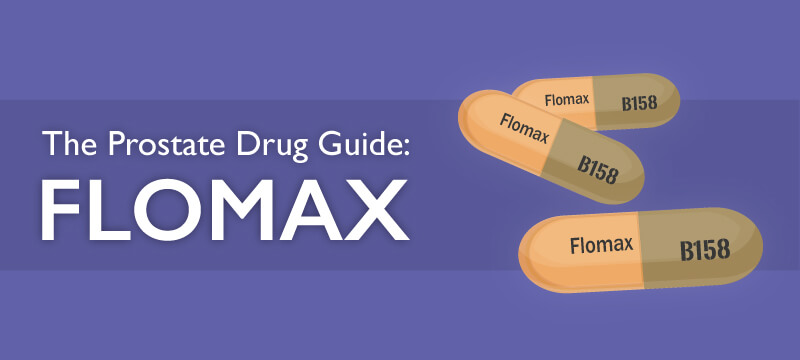
Read our Ultimate Guide Of Things You Should Know About Flomax.
Q: How Exactly Does Flomax Work for Patients with BPH?
Dr. Parra answers: Flomax targets the smooth muscles in the bladde, neck and prostate, relaxing them to make urination easier. This relaxation is especially helpful for patients experiencing symptoms like weak urine flow, urinary retention, or frequent urination.
However, Flomax does have some limitations. For example, it doesn’t address the root cause of prostate enlargement and doesn’t reduce the prostate’s size.
Another important point is that Flomax can sometimes cause a sudden drop in blood pressure. This side effect may lead to dizziness or fainting, particularly in patients with existing blood pressure issues. For this reason, it’s essential to consult a doctor to determine the appropriate dose and monitor any side effects.

Read 5 Side Effects of Flomax.
Q: Which is More Effective for BPH, Cialis or Flomax?
Dr. Parra answers: Both Cialis and Flomax are effective in managing symptoms of BPH, but their effectiveness depends on the specific symptoms a patient is experiencing.
Managing Urinary Issues:
In a 2019 study comparing Tamsulosin (Flomax) and Tadalafil (Cialis), researchers found that Tamsulosin was slightly more effective in managing lower urinary tract symptoms caused by BPH.
Among Tamsulosin users, 18% had mild urinary issues, while 82% experienced moderate symptoms. In contrast, 24% of Tadalafil users reported mild symptoms, while 76% experienced moderate symptoms.
Managing Erectile Dysfunction (ED):
Cialis has a clear advantage when it comes to ED. It improves erectile function in patients with or without urinary symptoms. In some cases, patients who don’t respond to Tadalafil for ED may still benefit from Flomax for urinary issues and vice versa.
Ultimately, choosing these medications depends on the patient’s priorities and overall health.
Q: Are There Alternative Treatments for Managing BPH?
Dr. Parra answers: Yes, are a popular alternative for some patients. Although they don’t replace traditional treatments, certain natural prostate supplements can help manage BPH symptoms and improve overall prostate health.
Supplements like rye-grass, Pygeum, saw palmetto, and Beta-sitosterol are commonly used to alleviate urinary issues caused by an enlarged prostate. While these options can’t shrink the prostate or completely resolve BPH, they can provide some symptom relief.
However, patients should consult a healthcare professional before starting any supplement regimen. A urologist can help determine whether these alternatives are appropriate and recommend the best course of action based on the patient’s condition.

Find out 6 Natural Alternatives To Flomax.
Key Questions about Cialis vs Flomax for BPH
Q: Are there specific urinary symptoms, like nocturia or weak stream, that Cialis manages better than Flomax?
Dr. Parra answers: There is a recent comparative effectiveness study on lower urinary tract symptoms and how they respond to Flomax and Cialis. According to the scientific evidence, they are both effective. However, Flomax has much more time in the market and growing evidence of effectiveness. More clinical trials are needed to assess how Cialis affects parameters such as postvoid residual urine. Nonetheless, the authors concluded that Cialis and Flomax show similar results in reducing urinary symptoms and improving quality of life.
The difference between Cialis and Flomax is only noticeable in patients with BPH and erectile dysfunction, who may benefit more from Cialis treatment. Cialis’s role in improving nitric oxide signaling pathways provides an alternative mechanism that reduces muscle tension around the urethra while improving erectile issues. Patients with erectile problems may have better results with their urinary symptoms and improve their quality of life after using Cialis.
There’s also a notable difference that confers Cialis an advantage over Flomax. Guidelines recommend a very long treatment duration of Flomax, extending over 4 years. Studies show comparable improvements after using Cialis for 12 weeks. A shorter treatment duration works for 40% of patients 45 years and older after using Cialis, which is promising data that also affects quality of life and patient satisfaction with the treatment they receive.
Q: Can Flomax and Cialis be taken together for better results, or does combining them increase the risk of side effects?
Dr. Parra answers: The abovementioned study was a meta-analysis of randomized controlled trials. Some trials compared monotherapy with Flomax, monotherapy with Cialis, and placebo therapy. Others included combination therapy, including Flomax and Cialis. Combination therapy studies didn’t report any noticeable change in side effects. However, it’s important to note that while combination therapy may not significantly increase side effects overall, it could elevate the risk of hypotension. Therefore, individualized patient monitoring is essential to manage this risk and ensure safety during treatment.
Their adverse events do not appear to increase significantly. However, more clinical data is required before a final answer is given because both treatments can cause dizziness, lightheadedness, fainting, flushing, headache, and nasal congestion.
Some studies report combination therapy is superior to monotherapy with Flomax. However, this may only be an artifact resulting from Cialis’ additional role as a PDE-5 inhibitor. Thus, the meta-analysis authors mention that “tadalafil monotherapy may be just as effective as tadalafil plus tamsulosin combination therapy in treating patients with both LUTS and ED conditions”.
The main problem with combining Flomax and Cialis is the noticeable difference in drug costs. Polypharmacy, along with increased costs, increases the risk of noncompliance in patients. As noted, the advantage of combination therapy is questionable, and it is not recommended as mainstream therapy.
In any case, combination therapy remains a viable option for some patients. You only should make this decision after talking to your doctor about the available treatments, especially if you have erectile dysfunction and do not experience symptomatic relief with monotherapy.
Q: How do common medications, like antihypertensives or nitrates, affect the choice between Cialis and Flomax?
Dr. Parra answers: Antihypertensives and nitrates can affect the choice between Cialis and Flomax because they reduce blood pressure levels. Cialis and Flomax may have similar effects by blocking alpha receptors in smooth muscle and changing nitric oxide interaction with the blood vessels. This may lead to additive effects, which can sometimes be dangerous.
Cialis and Flomax can trigger dizziness and lightheadedness due to a transient drop in blood pressure. Thus, both medications should be administered with care in patients taking antihypertensives. Flomax, in particular, is an alpha-blocker that prevents noradrenaline stimulation in muscle tissues.
Flomax mainly works in the prostate tissue and lungs but can also affect blood vessels. In doing so, Flomax may have additive effects with antihypertensives and trigger hypotension. The combination is not contraindicated, but doctors often recommend taking frequent blood pressure readings before and after starting the treatment to ensure it won’t cause problems in the future.
On the other hand, Cialis is contraindicated in patients taking nitrates due to the risk of a life-threatening drop in blood pressure (hypotension). The interaction between Cialis and nitrates can lead to severe hypotension, which can be dangerous. Patients on nitrates should avoid all PDE5 inhibitors, including Cialis, to prevent this risk. Combining Cialis with nitrates can trigger a severe drop in blood pressure, resulting in symptoms such as fainting. In some cases, the combination can even lead to severe consequences such as heart attack and stroke. If someone is taking nitrates, they should go for tamsulosin as their treatment of choice.
Q: Does Cialis improve overall quality of life more than Flomax by addressing both urinary and sexual health issues?
Dr. Parra answers: Yes, the mechanism of action of Cialis is more beneficial for patients with sexual dysfunction and improves quality of life further compared to Flomax, specifically for those with concurrent erectile dysfunction (ED). However, patients without ED may not experience the same quality-of-life advantage with Cialis. Tamsulosin is an alpha-blocker that prevents noradrenaline’s activation of alpha receptors.
This hormone typically reaches the smooth muscle, stimulates alpha receptors, and causes a contraction. Flomax prevents such activation, relaxes the muscles, and improves urine flow.
Cialis works by different pathways that may improve urination and sexual health issues simultaneously. It changes how your body reacts to nitric oxide. When this substance reaches smooth muscle, it triggers the release of cyclic GMP (cGMP), which causes muscle relaxation. But there’s an enzyme known as PDE5, which breaks down cGMP.
Cialis inhibits PDE5, allowing cGMP to perform its action for longer and relaxing the smooth muscle. In doing so, it also relaxes the penile tissue and allows blood to fill the corpora cavernosa and trigger an erection.
In patients with lower urinary tract symptoms and erectile dysfunction, Cialis relaxes the smooth muscle and improves erectile problems simultaneously. As noted above, studies show Cialis and Flomax have very similar effects on urinary symptoms triggered by BPH. But when a patient has erectile dysfunction and BPH symptoms, Cialis is more effective in improving quality of life.
Conclusion: Which Treatment Is Best for You?
Both Cialis and Flomax have their strengths in managing BPH symptoms. Cialis is a better option for patients seeking dual treatment for BPH and erectile dysfunction, while Flomax may be more effective for managing urinary symptoms alone.
It’s important to remember that every patient is different. What works for one person may not work for another. Therefore, consulting a specialist is crucial to determine the most suitable treatment for your specific needs. Your doctor can assess your health and recommend the best approach for managing BPH and related symptoms.
This article is for informational purposes only and does not serve as medical advice. The details provided here are not a replacement for, and should never be depended upon as, professional medical advice. Always consult your physician regarding the potential risks and benefits of any treatment.
Dr. Hamad Shafqat
Medical Doctor & Senior Medical Writer
Dr. Hamad Shafqat is a dedicated physician with over 4 years of experience in clinical medicine, research, and healthcare writing.
Our Medical Review Process
At Ben’s Natural Health, we are committed to maintaining the highest standards of accuracy, transparency, and scientific integrity. Every piece of content is carefully developed by medical professionals and undergoes a thorough review every 12 to 24 months. This ensures that our information remains current, reliable, and rooted in credible, evidence-based research. We reference only peer-reviewed studies from reputable medical journals, providing full citations and direct links to enhance trust and confidence. Learn more about our medical review process and research standards.
Our Editorial Guidelines
For over 25 years, Ben’s Natural Health has been a trusted source of scientifically backed, reliable health information. Our editorial guidelines uphold the highest quality and integrity for every article we publish. Each piece is written by qualified experts and undergoes independent quality checks. We prioritize transparency by clearly displaying contributor credentials and biographies at the beginning of every article. Read more about our editorial standards.
Medical Disclaimer
The content on this blog is for informational purposes only and should not be considered a substitute for professional medical advice, diagnosis, or treatment. While our articles are authored and reviewed by licensed medical professionals, they may not address your specific health concerns. Always consult a qualified healthcare provider before making any medical decisions.
Article Sources
- Glina S, Glina FP. Pathogenic mechanisms linking benign prostatic hyperplasia, lower urinary tract symptoms and erectile dysfunction. Ther Adv Urol. 2013. https://www.ncbi.nlm.nih.gov/pmc/articles/PMC3721438/
- Pogula VR, Kadiyala LS, Gouru VR, Challa SR, Byram R, Bodduluri S. Tadalafil vs. tamsulosin in the treatment of lower urinary tract symptoms secondary to benign prostatic hyperplasia: a prospective, randomized study. Cent European J Urol. 2019. https://pubmed.ncbi.nlm.nih.gov/31011439/
- Pattanaik S, Sandhu HS, Mavuduru RS, Singh SK, Mandal AK. Efficacy of tamsulosin and tadalafil in relieving benign prostatic hyperplasia related symptoms: A randomized double blind placebo controlled cross-over study [published correction appears in Indian J Urol. 2019. https://www.ncbi.nlm.nih.gov/pmc/articles/PMC6334578/
- Guo, B., Chen, X., Wang, M., Hou, H., Zhang, Z., & Liu, M. (2020). Comparative effectiveness of tadalafil versus tamsulosin in treating lower urinary tract symptoms suggestive of benign prostate hyperplasia: a meta-analysis of randomized controlled trials. Medical Science Monitor: International Medical Journal of Experimental and Clinical Research, 26, e923179-1. https://pmc.ncbi.nlm.nih.gov/articles/PMC7195607/
- Roehrborn, C. G., Egan, K. B., Miner, M. M., Ni, X., Wong, D. G., & Rosen, R. C. (2016). Erectile dysfunction and lower urinary tract symptoms associated with benign prostatic hyperplasia (LUTS/BPH) combined responders to tadalafil after 12 weeks of treatment. BJU international, 118(1), 153-160. https://pubmed.ncbi.nlm.nih.gov/26765325/
- Kim, S. W., Park, N. C., Lee, S. W., Yang, D. Y., Park, J. K., Moon, D. G., … & Hyun, J. S. (2017). Efficacy and safety of a fixed-dose combination therapy of tamsulosin and tadalafil for patients with lower urinary tract symptoms and erectile dysfunction: results of a randomized, double-blinded, active-controlled trial. The journal of sexual medicine, 14(8), 1018-1027. https://pubmed.ncbi.nlm.nih.gov/28760246/.
Article Update History
Reviewer:
Created on August 23, 2021
Explore More

Can you overdose on Viagra? How much sildenafil is too much?
Introduction Sildenafil, also known as Viagra, is an oral medicine used to treat some medical conditions. It is used to treat erectile dysfunction and ...