Why Antioxidants Are Important for Prostate Health




Article Summary
- An antioxidant can benefit the prostate and overall health.
- Men who eat plenty of fruits and veggies in their diet may already have a sufficient amount of antioxidants.
- But, when additional antioxidant intake is necessary, antioxidant supplements can come in handy.
Prostate cancer tallied 1.467 million new PCa cases in 2022 worldwide, and US incidence has been rising at a 3.0% annual PCa incidence rise 2014 to 2021 after a prolonged downward trend. Researchers have zeroed in on one consistent upstream driver: oxidative stress. If you’re managing your health past 45, few things are more worth understanding than why antioxidants matter for prostate tissue and what they actually do once they get there.
How Antioxidants Protect the Prostate
Antioxidants matter for prostate health because the prostate gland is unusually vulnerable to free radical damage, and that damage is now firmly linked to abnormal cell growth. Understanding why antioxidants are important for prostate health starts with understanding what free radicals actually do and how antioxidants stop them.
Free radicals are unstable molecules. They’re missing an electron, so they steal one from nearby molecules, including DNA inside prostate cells. That chain reaction is called oxidative stress, and it can distort how genes behave and how cells divide. Research tracking 4-hydroxynonenal (4HNE) as a biomarker shows that 4HNE adducts rise with prostate cancer stage in human tissue, appearing even at the precancerous stage known as prostate intraepithelial neoplasia (PIN). Oxidative damage is present early and keeps climbing as the disease advances.
Three mechanisms explain how antioxidants push back: they neutralise free radicals before DNA damage occurs, they lower chronic tissue irritation that can trigger abnormal growth, and they may help maintain normal cell life cycles. The H3s below address each in turn. The link between inflammation and prostate cancer runs through oxidative stress at every stage, and oxidative stress drives multi-stage PCa progression from early-stage disease through castration-resistant prostate cancer.
What oxidative stress does to prostate cells
Inside the prostate, androgens can throw off the mitochondrial electron transport chain, triggering electron leakage and a spike in reactive oxygen species (ROS). Oxidative stress and cellular damage extend well beyond the prostate – affecting mitochondrial integrity and DNA repair across multiple tissues. The prostate’s built-in antioxidant enzymes – superoxide dismutase (SOD), catalase (CAT), and glutathione peroxidase (GPX), are frequently depleted in cancerous tissue. Once those defenses drop, ROS build up and the local environment tilts toward one that favors uncontrolled cell growth.
How antioxidants work against it
Dietary antioxidants act as outside reinforcements. They donate electrons to free radicals and neutralize them without becoming unstable themselves; that stops the chain reaction before it reaches DNA.
How antioxidants neutralise harmful free radicals that can alter prostate cell DNA
Electron donation is the core mechanism by which antioxidants disarm free radicals in prostate cells. A radical missing one electron is chemically aggressive. An antioxidant – lycopene from tomatoes, for instance – hands over that missing electron, converting the radical into a stable compound. Lycopene’s action in prostate tissue specifically involves quenching singlet oxygen and halting lipid peroxidation, which is why it preferentially concentrates in the prostate gland after you eat it. It’s right at the site where oxidative stress hits hardest.
How antioxidants help reduce chronic tissue irritation in the prostate
Chronic tissue irritation – persistent, low-grade inflammation that never fully clears – is a different animal from the acute inflammation that follows an injury. In the prostate, it can drive swelling and, over time, contribute to abnormal cell signaling. Cytokines carry inflammatory signals between cells, and ROS amplify those signals. Antioxidants dial this down partly by cutting ROS directly and partly by modulating NF-κB, an inflammatory signaling pathway active in prostate tissue. But much of this evidence comes from preclinical cell and animal models; human studies show associations between higher dietary antioxidant intake and lower prostate cancer risk without yet confirming the exact pathway.
How antioxidants help maintain normal cell life cycles in the prostate gland
Healthy prostate function depends on regulated cell turnover, cells growing, aging, and dying on a controlled schedule. Oxidative stress disrupts that by altering the proteins that manage cell-cycle checkpoints and programmed cell death (apoptosis). Certain antioxidant phytochemicals, including quercetin and curcumin, have been studied in preclinical settings for their role in supporting normal apoptotic signaling in prostate cells. Human evidence is still early. But the rationale holds: reducing the oxidative load may help preserve the cellular machinery that keeps growth in check. The relationship between antioxidants and aging is particularly relevant here, since both antioxidant enzyme activity and cell-cycle regulation decline with age.
Antioxidants Linked to Prostate Health
The antioxidants most studied for prostate support fall into three broad categories: carotenoids (particularly lycopene), trace minerals (selenium and zinc), and polyphenols (including catechins, quercetin, and curcumin). There’s also growing interest in vitamin C and prostate health as a water-soluble antioxidant that complements fat-soluble compounds. Some combinations outperform others, selenium and lycopene together have been examined in clinical trials, though results are mixed and depend heavily on baseline selenium status.
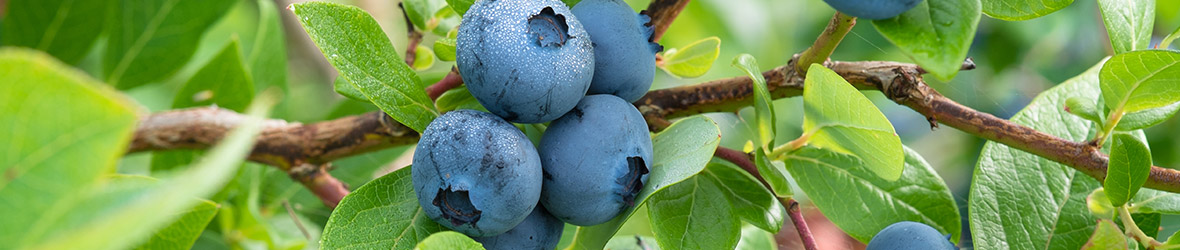
Men who consume green tea regularly show lower prostate cancer rates in Asian populations, a pattern attributed to catechins like EGCG and EGC found in green tea and the prostate. Berries supply ellagic acid and anthocyanins, both potent free radical scavengers. Broccoli and kale contain sulforaphane and indole-3-carbinol, plant compounds that support Phase II detoxification enzymes and may help clear carcinogens from prostate tissue. An overview of prostate-relevant antioxidants consistently highlights these food groups as the best-evidenced dietary sources. The body of epidemiological and clinical evidence on antioxidant phytochemicals in prostate cancer is now strong enough that the World Cancer Research Fund’s guidelines explicitly name plant-forward eating as a priority for men concerned about prostate risk, and the American Institute for Cancer Research’s lycopene and selenium research places these antioxidants among the most studied in human prostate cancer trials.
Lycopene and tomato-based foods
Lycopene is the carotenoid that makes tomatoes red. It’s among the most studied compounds for prostate support, and the NCI’s PDQ summary notes that lycopene inhibits androgen receptor in PCa cells in laboratory studies, cutting cell proliferation and possibly modulating IGF-related signaling. Once you eat lycopene-rich foods, it concentrates in the prostate, testes, and adrenal glands, tissues where it’s biologically active. You can read more about how lycopene affects the prostate.
Why cooked tomatoes and sauces are richer in lycopene than raw tomatoes
Heat breaks down tomato cell walls, releasing more lycopene and shifting it from the trans form to the more bioavailable cis form. A tablespoon of tomato paste delivers several times more absorbable lycopene than the same weight of raw tomato. Cooking it with a small amount of oil boosts uptake further, since lycopene is fat-soluble. Tomato-based pasta sauces, soups, and roasted tomatoes are genuinely better sources than a raw tomato slice.
Selenium and its role
Selenium is a trace mineral built directly into the body’s own antioxidant enzymes, including GPX. The selenium benefits for antioxidant defense are well-documented. For prostate health specifically, outcomes depend heavily on baseline status, men who’re already selenium-sufficient don’t appear to benefit from supplementation and may actually be harmed by high doses.
Vitamin E and research findings
Vitamin E (alpha-tocopherol) is a fat-soluble antioxidant that’s been studied extensively for prostate cancer prevention. The evidence, though, is sobering and deserves honest reporting. Men who want to cover their vitamin E food sources through diet – nuts, seeds, and leafy greens – face far lower risk than those relying on high-dose supplements. Flavonoids and broader antioxidant intake from food remain a safer approach than isolated vitamin E supplements.
Polyphenols from tea, berries, and other sources
Quercetin, found in onions, capers, and apples, and curcumin from turmeric are the most studied polyphenols for prostate tissue. Quercetin benefits and dosage covers the preclinical evidence. Turmeric and prostate cancer outlines the specific curcumin mechanisms. Zinc for prostate health rounds out the mineral picture. Zinc is present in high concentrations in healthy prostate cells and tends to drop in cancerous tissue, and its role in zinc for sexual health and hormone function reflects how broadly this mineral supports male physiology beyond the prostate alone.
What the Research Actually Shows
The honest summary: food-sourced antioxidants show real promise in population studies; isolated antioxidant supplements have mixed to negative results in large trials.
Evidence for symptom relief
A 2025 cross-sectional study drawing on NHANES data found that antioxidants inversely associated with PCa mortality, with dietary antioxidants and flavonoids linked to lower prostate cancer risk and all-cause mortality across more than 2,600 men. A separate 2025 investigation from Frontiers in Nutrition confirmed this relationship through machine learning models validating the antioxidant, PCa association. The Composite Dietary Antioxidant Index (CDAI) – which aggregates vitamins A, C, E, total carotenoids, zinc, and selenium into a single score – showed a protective association, especially in older men. Ellagic acid’s antioxidant activity and quercetin for prostate support both fit within this broader polyphenol evidence base, and a 2025 PMC review confirms that antioxidant enzyme deficiencies – SOD, CAT, GPX – are central to PCa progression.
What we don’t know yet
Large-scale randomized controlled trials tell a harder story where supplements are concerned. The SELECT trial, a double-blind, placebo-controlled RCT, found a 17% increased PCa risk with vitamin E supplementation compared to placebo, published in JAMA, and the full SELECT trial results showed that neither selenium nor vitamin E reduced incidence. What remains unknown: whether specific genetic variants in selenoproteins determine who responds to selenium, whether food-matrix effects explain why diet outperforms isolated nutrients, and which doses and timing produce measurable effects in humans.
Antioxidant Foods vs. Supplements
Dietary antioxidants arrive inside a food matrix (fibers, other phytonutrients, and co-factors that improve absorption and may create combined effects). Isolated supplements don’t replicate that. Bioavailability also varies: raw tomatoes provide less absorbable lycopene than cooked tomato sauce; whole selenium from Brazil nuts is absorbed differently than synthetic selenomethionine.
A mechanistic review confirms that the full antioxidant defense in prostate tissue depends on multiple interacting pathways, not a single compound. One procomb trial analysis found that selenium and lycopene together influenced prostate cancer incidence in some subgroups, but the effect wasn’t consistent across all participants.
“Natural” doesn’t mean risk-free. High-dose antioxidant supplements, particularly vitamin E, beta-carotene, and selenium above the tolerable upper intake level, can cause harm. A guide to prostate supplements reviews the ingredient evidence behind common formulations. No supplement can claim to treat, prevent, or reverse prostate cancer under FDA guidelines; structure-function language only applies.
| Source | Lycopene bioavailability | Notes |
| Raw tomato | Lower | Intact cell walls limit release |
| Cooked tomato / sauce | Higher | Heat and fat increase absorption |
| Lycopene supplement | Variable | No food-matrix co-factors |
How to Get Enough Antioxidants in Your Diet
There’s no single daily antioxidant “dose” proven to produce a specific prostate benefit. The evidence doesn’t support hard targets. But the CDAI framework and WCRF dietary guidelines both point toward a broadly plant-forward diet as the most consistent protective pattern. A 2024 Antioxidants review reinforces this food-first approach. Research from the University of Illinois on lycopene, selenium, vitamin E, and prostate cancer similarly supports dietary over supplemental sources as the main strategy. Broadening intake across diverse antioxidant foods and dietary sources – from berries and leafy greens to nuts and legumes – provides a range of compounds that work through complementary mechanisms.
Timing matters here too. Realistic expectations are important. Population studies track intake over years, not weeks, and you probably won’t notice any change in the short term. This is long-game health management. It’s not a quick fix.
Best food sources by antioxidant type
| Antioxidant | Best food sources |
| Lycopene | Cooked tomatoes, tomato paste, watermelon |
| Selenium | Brazil nuts (1 to 2 per day), seafood, whole grains |
| Vitamin C | Bell peppers, citrus, kiwi |
| Quercetin | Onions, capers, apples, green tea |
| Curcumin | Turmeric (with black pepper for absorption) |
| Catechins | Green tea, dark chocolate |
| Zinc | Pumpkin seeds, oysters, lean beef |
Practical daily habits
Swap raw tomatoes for cooked tomato-based sauces a few nights a week. Eat one Brazil nut daily for selenium. Replace a second coffee with one or two cups of green tea. Men who also include a variety of polyphenols in foods – such as onions, berries, and dark chocolate – cover a broader spectrum of antioxidant activity with minimal dietary effort. These aren’t dramatic changes. Working on nitric oxide and vascular health in the prostate runs in parallel with antioxidant intake, and addressing bladder symptoms that often accompany prostate changes may also benefit from the same plant-forward habits.
Safety and When to Talk With Your Doctor
High-dose antioxidant supplements carry real risks. Vitamin E above 400 IU/day is associated with increased bleeding risk and, as the SELECT data show, possible harm in men at prostate cancer risk. Selenium above 400 mcg/day can cause selenosis (hair loss, nerve damage, and gastrointestinal problems). Evidence on selenium’s role in prostate cancer specifically flags that men with already-adequate selenium levels gain nothing from supplementation and may increase risk.
The NCI’s prostate supplements guidance cautions against interpreting promising preclinical data as proof of benefit in humans. This article is informational. It’s not medical advice and it’s not a substitute for a conversation with your doctor or urologist.
Supplement interactions with medications
Some antioxidants interact with common medications. Vitamin E at high doses can increase the effect of blood thinners like warfarin. Saw palmetto side effects and interactions are relevant for men already on prostate medications. Diindolylmethane interactions and dosage is another example where a plant compound can affect hormone metabolism in ways worth discussing with your prescriber before you start.
Who should be cautious
Men on blood thinners, those scheduled for surgery, anyone on hormone therapies, and men with selenium deficiency (or excess) should consult their doctor before starting antioxidant supplements. Supplement label claims can’t promise disease prevention. And the same principle applies across all natural products: plant-derived doesn’t mean harmless.
See a doctor if: you notice urinary changes (a weak stream, urinary hesitancy, or blood in urine), pelvic pain, or pain during ejaculation. These symptoms warrant professional assessment, not a supplement.
Antioxidants as Part of Prostate Care
Antioxidants aren’t a standalone solution, but they’re a meaningful piece of a broader prostate health strategy. Diet, regular medical screening, appropriate medication where indicated, and targeted supplementation all work together. A 2025 rat prostate tumor study found that selenium – not lycopene alone – reduced transplantable prostate tumor growth, a reminder that individual compounds behave differently depending on context.
And saw palmetto’s effect on testosterone is one example of how prostate health strategies extend beyond antioxidants alone.
Frequently Asked Questions
Can antioxidants replace prostate cancer screening or medical treatment?
No. Antioxidants may help support normal prostate cell function, but they don’t diagnose or treat cancer. Routine PSA testing and clinical assessment remain the standard of care for prostate cancer detection.
Is it better to get antioxidants from food or supplements?
Food-first is the evidence-based approach. Population data consistently favor dietary antioxidant intake over isolated supplements, and the SELECT trial showed that high-dose vitamin E and selenium supplements did not reduce prostate cancer risk and may cause harm.
How much lycopene do I need for prostate benefit?
There’s no confirmed daily target. Epidemiological data suggest that consistent dietary intake (roughly several servings of cooked tomato products per week) is associated with lower prostate cancer risk. Exact dosing thresholds for benefit haven’t been established in human trials.
Can I take antioxidant supplements alongside my prostate medications?
Possibly, but not without checking first. Some antioxidants, particularly high-dose vitamin E and certain polyphenols, interact with blood thinners, hormone therapies, and other medications. Talk to your doctor before adding any supplement to your routine.
Are all prostate supplements with antioxidants equally effective?
No. Quality varies significantly across products. Look for supplements with third-party testing, transparent ingredient sourcing, and formulations based on published clinical research rather than proprietary blends with unlisted doses.
Conclusion
The case for dietary antioxidants and prostate health is well-supported at the population level; high antioxidant intake is consistently tied to lower prostate cancer risk and mortality, particularly in older men. Why antioxidants matter for prostate health comes down to a clear mechanism: they neutralize the free radicals that damage prostate cell DNA, lower chronic tissue inflammation, and support the regulated cell turnover that keeps the gland healthy. Food comes first, whole tomatoes, Brazil nuts, green tea, and cruciferous vegetables deliver antioxidants in a form the body uses well. Supplement strategies should always be discussed with your doctor, and no supplement can substitute for regular prostate screening.
This article is for informational purposes only and does not serve as medical advice. The details provided here are not a replacement for, and should never be depended upon as, professional medical advice. Always consult your physician regarding the potential risks and benefits of any treatment.
Dr. Howard Tay
MD, FACS, Board-Certified Urologist
Dr. Howard Tay, MD, FACS, is a board-certified urologist in Arizona with 25+ years of experience, recognized as a “Top Doc” by Phoenix Magazine.
Our Medical Review Process
At Ben’s Natural Health, we are committed to maintaining the highest standards of accuracy, transparency, and scientific integrity. Every piece of content is carefully developed by medical professionals and undergoes a thorough review every 12 to 24 months. This ensures that our information remains current, reliable, and rooted in credible, evidence-based research. We reference only peer-reviewed studies from reputable medical journals, providing full citations and direct links to enhance trust and confidence. Learn more about our medical review process and research standards.
Our Editorial Guidelines
For over 25 years, Ben’s Natural Health has been a trusted source of scientifically backed, reliable health information. Our editorial guidelines uphold the highest quality and integrity for every article we publish. Each piece is written by qualified experts and undergoes independent quality checks. We prioritize transparency by clearly displaying contributor credentials and biographies at the beginning of every article. Read more about our editorial standards.
Medical Disclaimer
The content on this blog is for informational purposes only and should not be considered a substitute for professional medical advice, diagnosis, or treatment. While our articles are authored and reviewed by licensed medical professionals, they may not address your specific health concerns. Always consult a qualified healthcare provider before making any medical decisions.
Article Sources
- Song, Yawen, Hou, Zheng, Zhu, Longting, Chen, Yan, & Li, Jingyu (2025). Oxidative stress as a catalyst in prostate cancer progression: unraveling molecular mechanisms and exploring therapeutic interventions. Discover Oncology, 16(1), 457. https://doi.org/10.1007/s12672-025-02245-4
- Kratzer TB, Mazzitelli N, Star J, Dahut WL, Jemal A, & Siegel RL (2025). Prostate cancer statistics, 2025. CA: a cancer journal for clinicians, 75(6), 485-497. https://doi.org/10.3322/caac.70028
- https://www.mdpi.com/2076-3921/14/9/1060
- https://onlinelibrary.wiley.com/doi/10.1111/pin.13509
- The Best Antioxidants for Prostate Health. Liv Hospital. https://int.livhospital.com/the-best-antioxidants-for-prostate-health/
- Li, Shanyi, Cai, Tong, Cui, Shichen, Liu, Fangmin, Hu, Rong, & Li, Wenji (2023). Prostate Cancer, Oxidative Stress, and Antioxidant Phytochemicals: A Brief Review. Current Pharmacology Reports, 9(6), 391-396. https://doi.org/10.1007/s40495-023-00344-w
- Lycopene, Vitamin E, Selenium and Prostate Cancer. American Institute for Cancer Research. https://www.aicr.org/research/projects/lycopene-vitamin-e-selenium-and-prostate-cancer/
- Prostate Cancer, Nutrition, and Dietary Supplements (PDQ®). cancer.gov. https://www.cancer.gov/about-cancer/treatment/cam/hp/prostate-supplements-pdq
- Jin Y, Lv DS, Zhou LP, Xiao L, Tong GQ, Karim A, et al. (2025). Dietary antioxidants and flavonoids are inversely associated with prostate cancer risk and mortality: evidence from NHANES and machine learning. Frontiers in nutrition, 12, 1611848. https://doi.org/10.3389/fnut.2025.1611848
- Jin, Yanyang, Lv, Dong-shan, Zhou, Li-po, Xiao, Li, Tong, Guang-quan, Karim, Abdallah Karim, et al. (2025). Dietary antioxidants and flavonoids are inversely associated with prostate cancer risk and mortality: evidence from NHANES and machine learning. Frontiers in Nutrition, 12, 1611848. https://doi.org/10.3389/fnut.2025.1611848
- Song Y, Hou Z, Zhu L, Chen Y, & Li J (2025). Oxidative stress as a catalyst in prostate cancer progression: unraveling molecular mechanisms and exploring therapeutic interventions. Discover oncology, 16(1), 457. https://doi.org/10.1007/s12672-025-02245-4
- Holly L Nicastro, & Barbara K Dunn (2013). Selenium and Prostate Cancer Prevention: Insights from the Selenium and Vitamin E Cancer Prevention Trial (SELECT). Nutrients, 5(4), 1122. https://doi.org/10.3390/nu5041122
- https://jamanetwork.com/journals/jama/fullarticle/183163
- Suresh C Sikka (2003). Role of oxidative stress response elements and antioxidants in prostate cancer pathobiology and chemoprevention–a mechanistic approach. Current medicinal chemistry, 10(24), 2679-2692. https://doi.org/10.2174/0929867033456341
- https://www.sciencedirect.com/science/article/abs/pii/S0944711317300831
- https://doaj.org/article/60804b95f61242bb965bd692b04fd711
- Lindshield, Brian L. (2008). Lycopene, Selenium, Vitamin E and Prostate Cancer. https://www.ideals.illinois.edu/items/86239
- https://www.mdpi.com/1424-8247/16/9/1250
- Lindshield BL, Ford NA, Canene-Adams K, Diamond AM, Wallig MA, & Erdman JW Jr (2010). Selenium, but not lycopene or vitamin E, decreases growth of transplantable dunning R3327-H rat prostate tumors. PloS one, 5(4), e10423. https://doi.org/10.1371/journal.pone.0010423
Article Update History
Reviewer:
Created on March 22, 2022
Explore More

Candida Diet: Foods To Eat and Avoid With A Yeast Infection
A yeast infection occurs when the yeast (fungus) Candida albicans becomes overgrown, which leads to uncomfortable symptoms like genital itching, burning while peeing or ...