Doctor Answers: What Causes Lower Abdominal Pain in Men?




Article Summary
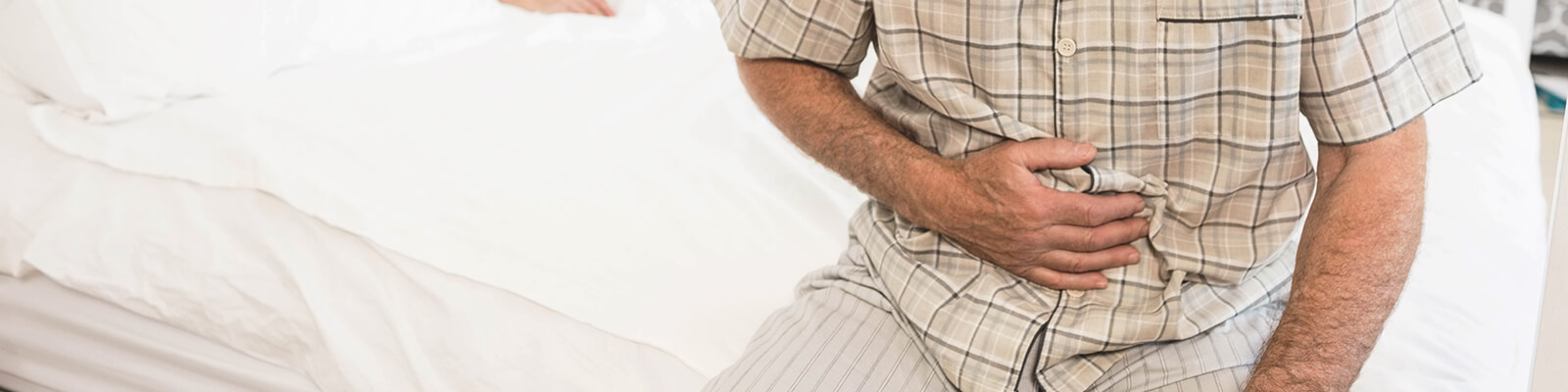
- Problems with any region in the pelvis can cause lower abdominal pain in men, also known as pelvic pain.
- Symptoms generally include both pain and discomfort.
- There are many times when pelvic pain is no serious problem. In some cases, however, things are not as simple. Chronic pain in the pelvic floor or related can be serious.
If you’re a man experiencing lower abdominal or pelvic pain, it can be unsettling and confusing, especially when you consider how many different systems and organs are involved in this region.
To help us break it down, we spoke with Dr. Justin Houman, who shared his expertise on what lower abdomen pain in men could mean, what causes it, and what to do about it. From identifying possible symptoms to understanding treatment options, Dr. Houman provided a clear and practical look at everything men need to know.
He also referenced current research and clinical insights to support his answers, all of which have been reviewed by a licensed medical professional to ensure accuracy.
Q: What Is Pelvic Pain?
Dr. Houman answers: Pelvic pain is a symptom that refers to pain that occurs between the groin and navel. Many men tend to experience such pain symptoms. There are also a large number of factors that have been associated with pelvic pain.
Acute abdominal pain: Sometimes, the pain will be acute. This means the man develops symptoms in their pelvic floor or another region of their pelvis for a short period. In such a case, a minor injury might have occurred. There are, however, cases where the pain can become chronic.
Chronic abdominal pain: Most commonly, chronic pelvic pain syndrome is considered when the pain becomes consistent.
It is important to note that pelvic pain can be specific. In such a case, a particular area of the pelvic region will be affected. When pain is specific, it may help a physician gain a better idea of the potential cause of the condition.
Chronic pelvic pain syndrome has become an increasing concern among men. In one report, the NIDDK states that up to 15% of the male population may show signs of this condition1. Just as the causes vary, the treatment also differs from one patient to the next.
Recognizing symptoms helps with early detection of an underlying cause. This ensures appropriate treatment can be initiated during an earlier stage. It may also help to reduce the risk of more serious complications.
Q: What are the Most Common Causes for Pelvic Pain in Men?
Dr. Houman answers: Men should understand what may be the causes of pelvic pain. Pelvic pain in women is also common. Some causes are similar. In most cases, however, the causes may be linked to the male reproductive organs.
Chronic prostatitis, for example, has been shown to contribute to pelvic pain. In such a case, the pelvic pain is likely to become chronic. This means learning more about prostatitis symptoms2 is crucial for male patients. This becomes even more important if the patient experiences chronic pelvic pain.
In this section, we consider the common reasons why male patients may experience pelvic pain. Men should be educated about all of these causes. This allows them to determine why they may be suffering from the symptoms. It also helps the man identify whether the cause behind symptoms may be serious.
Q: Where Does Most Pelvic Pain In Men Stem From?
Dr. Houman answers: There are actually quite a few potential causes of pelvic pain in men. Understanding each of these can help a man determine if they are at high risk for complications. Specific accompanying symptoms could signal something more serious.
We will share a few critical causes of pelvic pain in men below:
- Prostatitis: As mentioned before, prostatitis is a common cause. This condition causes inflammation in the prostate gland. The prostate gland can push against the bladder and urethra. This may also lead to the development of lower urinary tract symptoms. A man with prostatitis may be at an increased risk for a urinary tract infection too. Bacterial prostatitis can lead to complications. Along with pelvic pain, prostatitis symptoms include groin pain, pain the abdomen or lower back, bloody urine, painful urination, and ejaculation, as well as flu-like symptoms (bacterial prostatitis).
- Urinary Tract Infection: An infection in the urinary tract can also be a cause behind pelvic pain. The infection can affect any part of the urinary tract. This includes the kidneys, ureters, bladder, and urethra. The lower abdomen may also be affected by pain. Urinary symptoms may accompany the pain when this type of infection is present.
- Hernia: A hernia is another cause of pelvic pain. This is more common than many men think. One report estimated that up to 25% of all men would experience a hernia at some point in their lives3. The pain will often be worse when pelvic muscles are strained. This may occur when the man laughs or coughs.
- Appendicitis: Appendicitis is an inflammation that affects the appendix. This is a small part of the gastrointestinal tract. The appendix can also develop an infection. The classic symptom is pain that begins around the navel and shifts to the lower right side of the abdomen. It often worsens with movement or coughing.
- Cystitis: Another important possible cause is cystitis. This is an inflammation that affects the bladder, often due to infection. Symptoms typically include a strong, persistent urge to urinate (urgency), frequent urination in small amounts, and a burning sensation. (Note: A weak stream is more commonly associated with an enlarged prostate than cystitis.)
- Enlarged Prostate: Also called benign prostatic hyperplasia, when the prostate becomes enlarged, it could lead to pelvic pain. A large number of men experience enlargement of their prostate gland. The prostate also pushes against the urethra. Symptoms may become worse when the enlarged prostate causes bladder muscles to weaken.
- Inflammatory bowel disease: Inflammatory bowel disease (IBD) is a term for two conditions (Crohn’s disease and ulcerative colitis) that are characterized by chronic inflammation of the gastrointestinal (GI) tract.
- Urinary Stones: Men should also take note of symptoms associate with urinary stones. These stones can cause pain in the pelvis. Large stones can cause severe pain. This happens when minerals or salts accumulate in the urine. The body is unable to effectively get rid of these elements. They then start to crystallize. This causes the compounds to develop stones.
- Irritable Bowel Syndrome: Men often overlook the possibility of IBS contributing to their pelvic pain. This condition affects the large intestine. It can also cause constipation, cramping and bloating. Men may find mucus in their stool when they develop IBS.
- Sexually Transmitted Infections: There are a few STIs that have also been shown to cause pelvic pain. Both Chlamydia and gonorrhea should be taken into consideration. Accompanying symptoms may include urethra inflammation. There may sometimes even be a discharge from the patient’s penis.
Pelvic pain may signal any of these problems. This is why a physical examination from a doctor is so critical.
Q: What Can Injuries Cause Lower Abdominal Pain in Men?
Dr. Houman answers: Apart from considering the causes mentioned above, some injuries may cause pelvic pain too. Men should take note when they have pelvic pain. If they previously suffered an injury, this might be a contributing factor to the pelvic pain they experience.
Generally, an injury directly to a part of the pelvis area may lead to such pain symptoms. This includes a direct blow to the testes. Previous surgeries or trauma can lead to fibrosis (scar tissue) or nerve entrapment (such as pudendal neuralgia). These conditions can irritate the nerves, leading to chronic, shooting pain in the pelvis long after the original injury has healed..
Q: How To Alleviate Men’s Lower Abdominal Pain?
Dr. Houman answers: Pelvic pain can be bothersome and even irritating in a man’s daily life. Accompanying symptoms of the underlying cause can also cause problems in the man’s life.
Frequent and painful urination, for example, can cause the man to worry. Pelvic floor dysfunction may even cause problems with the man’s sexual function. Sexual dysfunction can cause problems with a man’s relationship and confidence.
For this reason, learning how to alleviate pain in the pelvic area is important. There are several options available. This ranges from pelvic floor rehabilitation4 to taking certain drugs.
Q: What Medications Can Help Alleviate Men’s Pelvic Pain?
Dr. Houman answers: Some medications may help reduce pain in the pelvis. It is crucial to consider underlying causes first. A doctor will be able to perform a physical exam on the male patient.
There are additional tests that may be performed too. When a diagnosis is made, it gives the doctor the ability to provide a more appropriate pharmaceutical treatment.
When an underlying cause is identified, medication will be prescribed to help address these issues.
In case of a urinary tract infection, the doctor will likely offer the patient antibiotics. These drugs help to fight against the bacteria that cause the urinary tract infection. Certain STIs, such as Chlamydia, may also be treated with an appropriate dose of antibiotics.
Antibiotic treatment is also appropriate for bacterial prostatitis. This helps to fight the bacteria that have infected the prostate gland. Sometimes, swelling in the prostate is linked to a different reason. In such a scenario, the appropriate medication should be provided.
Men with an enlarged prostate will also be provided with certain drugs. This may help to reduce pelvic pain. The medication will also help to address the enlargement of the prostate.
In this case, Flomax or Hytrin may be provided. These drugs help to relax the bladder muscle. Avodart or Proscar may be provided; as an alternative, they work by shrinking the actual size of the prostate gland over time.
Some painkillers can also be used to alleviate pelvic pain. These do not target the underlying cause. They can still provide an effective reduction in the severity of the male patient’s pain.
The patient may be advised to try over-the-counter pain medication first. This helps to reduce the risk of side effects. Prescription drugs are much stronger, but also come with a higher risk of side effects. If the over-the-counter medicines do not work, the physician may prescribe stronger pain medication.
The doctor may also prescribe anti-inflammatory medications. This may help to reduce inflammation in the pelvic region. Inflammation can contribute to pain. Thus, targeting the inflammation could further alleviate the pain symptoms.
Q: What Are Some Natural Remedies That Can Help Alleviate Men’s Pelvic Pain?
Dr. Houman answers: There are a few natural options that men can consider when they want to reduce pelvic pain. Again, the underlying cause should be identified. Natural remedies for a urinary tract infection differ from those used to relieve BPH symptoms.
When a diagnosis has been made, the patient can look into appropriate natural remedies for the condition causing their pelvic pain.
When a urinary tract infection is identified, maintaining appropriate hydration is important. The patient should also ensure they urinate when they feel the urge.
Holding it can worsen the condition. Symptoms can also become worse in such a case. Cranberry juice may also be a helpful option. Some men find that a probiotic can help reduce symptoms as well.
Several natural treatments have been advised for benign prostatic hyperplasia. While there are many suggestions, not all of them seem to work effectively. Men should educate themselves on what works and what to avoid.
Some natural treatments for BPH include:
- Beta-sitosterol
- Pygeum
- Saw palmetto
- Ryegrass pollen extract
Q: What Exercises Or Stretches Can Help Alleviate Pelvic Pain In Men?
Dr. Houman answers: Physical exercise is always important. This is even crucial when suffering from a painful condition. Exercise has previously been shown to reduce pain symptoms. Specific stretches could also be helpful for men with pelvic pain.
Participating in yoga is a helpful option for men who do not wish to start lifting weights. When joining a gym, it is vital to consider the cause behind the pain.
Lifting weights with a hernia can be dangerous. Pelvic floor exercises, also known as Kegel exercises, can be a beneficial natural treatment.
Q: What are the Best Treatment Options for Lower Abdomen Pain in Men?
Dr. Houman answers: There are a few treatment methods available. These treatments address the causes behind the pelvic pain. Such a treatment solution usually yields better results than treating only the pain.
Pelvic floor muscles are often addressed when developing a treatment program for the patient. The doctor may find that a weak pelvic floor contributes to pelvic pain syndrome. These exercises may then help to alleviate symptoms.
Targeting a specific myofascial trigger point6 during rehabilitation therapy can be a helpful strategy. This is great for men with muscle-related problems. The treatment may help to alleviate pain in the process.
Studies also show that patients can be taught to perform self-treatment for these trigger points. The study indicates quite impressive results. When patients are educated on this therapy, they can effectively do it themselves. The result is generally a reduction in pelvic pain.
Thus, self-treatment at home may be appropriate at times. Still, there are cases where a more serious underlying condition has developed. This calls for medical treatment. Failure to receive appropriate treatment increases the patient’s risk of serious complications.
Prostate cancer, for example, can become severe and spread to other parts of the body. Benign prostatic hyperplasia may cause a recurrent urinary tract infection. This may damage the internal parts of the urinary system.
Q: When Should You Seek Medical Attention For Pelvic Pain?
Dr. Houman answers: There are many cases in which pelvic pain is not a serious problem. It is mild and does not cause significant disability in the patient’s daily life. A simple over-the-counter pain drug may help alleviate the symptom. This allows the man to continue on their day without problems.
In some cases, however, things are not as simple. Chronic pelvic floor or related pain can be serious. The underlying cause may be more severe, leading to fatal complications. Thus, patients need to recognize when it is appropriate to seek medical attention for their pain symptoms.
Q: How Do You Know If Your Pelvic Pain Is A Sign Of Something More Serious?
Dr. Houman answers: Pain in the pelvis is often not the only symptom a patient will experience. Men should always consider the accompanying symptoms they experience. Chronic pelvic pain syndrome may sometimes lead to the diagnosis of an underlying condition that requires immediate treatment.
Men should take note of pain when sitting. This may indicate prostatitis. The condition requires treatment. Untreated, it can lead to the spread of a bacterial infection. The urinary tract may also be adversely affected by untreated prostatitis.
Hematuria is another symptom to note. The term Hematuria refers to blood in the patient’s urine. This may signal various potential underlying causes. Sometimes, blood in urine may be a sign of a urinary tract infection. Bacteria often cause this symptom.
The bacterial infection needs to be treated with antibiotics. Untreated UTIs can lead to the spread of the disease to other regions of the body.
Blood in urine, along with pelvic pain, can also be a sign of kidney stones. Specific problems with the prostate can also cause these symptoms.
When the pain is severe, it is also crucial for the male patient to see their doctor. Severe abdominal pain can also be a sign that something serious is going on.
Men should also consider symptoms like additional pain when they urinate. Changes in how the man urinates should also be noted.
If you have severe pelvic pain and any of these symptoms of testicular torsion, seek immediate medical attention:
- swelling of a testicle
- redness/darkening of the scrotum
- abdominal pain
- nausea vomiting
- frequent urination
- fever
Key FAQs on Lower Abdomen Pain in Men
Q: Can pelvic pain in men be caused by stress or anxiety?
Dr. Houman answers: Yes, pelvic pain in men can absolutely be influenced by stress or anxiety. As a urologist, I often see men with chronic pelvic pain syndrome (CPPS), a form of chronic prostatitis, where there is no clear infection or structural abnormality. In many of these cases, psychological stress plays a significant role.
Stress and anxiety can lead to increased muscle tension, especially in the pelvic floor muscles, which can cause pain, urinary symptoms, and even sexual dysfunction. It becomes a vicious cycle: stress leads to pain, pain leads to more stress, and so on. We also know that the nervous and immune systems interact closely in this region, so that emotional distress can exacerbate physical symptoms.
That said, while stress may be a contributing factor, it’s critical to rule out other causes, such as infection, inflammation, or neurological issues, first. Once those are excluded, managing stress, working with a pelvic floor physical therapist, and addressing mental health with tools like cognitive behavioral therapy can dramatically improve symptoms.
Q: Is pelvic pain in men linked to posture or a sedentary lifestyle?
Dr. Houman answers: Absolutely. I can tell you that pelvic pain in men is often linked to poor posture and a sedentary lifestyle. We frequently see this in men who sit for prolonged periods, especially when lumbar and pelvic support is inadequate. Over time, this can lead to increased tension in the pelvic floor muscles, reduced blood flow, and nerve irritation, all of which can contribute to chronic pelvic pain.
This condition is commonly referred to as chronic pelvic pain syndrome (CPPS) or prostatitis-like symptoms without infection. In many cases, it has less to do with the prostate and more to do with musculoskeletal dysfunction. Factors such as slouching, weak core muscles, and lack of movement can exacerbate or even cause symptoms.
The good news is that pelvic floor physical therapy, postural correction, and targeted exercise can significantly improve or resolve the pain. We often recommend working with specialists who understand male pelvic anatomy and incorporating movement into daily routines to reduce strain on the pelvic region.
So yes, posture and lifestyle matter, and addressing them is often key to long-term relief.
Q: Can cycling or specific exercises trigger pelvic pain in men?
Dr. Houman answers: Absolutely. Cycling and specific exercises can indeed trigger or worsen pelvic pain in men, particularly if there’s underlying pelvic floor dysfunction or chronic prostatitis (also known as chronic pelvic pain syndrome).
As a urologist, I often see men who develop pelvic pain after prolonged cycling, especially on narrow or poorly cushioned seats. The constant pressure on the perineum (the area between the scrotum and anus) can compress nerves and irritate pelvic floor muscles, leading to symptoms like deep pelvic aching, testicular pain, penile discomfort, or even urinary urgency.
It’s not just cycling, high-impact activities like running, heavy weightlifting (especially with poor form or excessive straining), or core workouts that over-engage the pelvic floor can also contribute to flare-ups in susceptible men.
If you’re experiencing persistent pelvic pain, it’s essential to get a proper evaluation. We often use a multidisciplinary approach, including pelvic floor physical therapy, anti-inflammatory strategies, and, in some cases, neuromodulators or trigger-point treatment, to manage symptoms and help patients return to the activities they enjoy, comfortably and safely.
Q: Is there a link between pelvic pain and erectile dysfunction?
Dr. Houman answers: Yes, there is a clear and clinically recognized link between pelvic pain and erectile dysfunction (ED. As a urologist, I see this relationship frequently in men dealing with chronic pelvic pain syndromes, such as chronic prostatitis or chronic pelvic pain syndrome (CP/CPPS).
Pelvic pain can stem from tension or dysfunction in the pelvic floor muscles, nerve irritation, or inflammation in the prostate or surrounding tissues. These same pelvic structures are intimately involved in erectile function. When they’re irritated or inflamed, it can lead to pain during arousal or erection, performance anxiety, or even direct nerve dysfunction that affects blood flow and erection quality.
Men with persistent pelvic pain often develop a cycle of discomfort, stress, and sexual dysfunction, one that can be both physically and psychologically distressing. It’s not uncommon for patients to avoid sexual activity altogether because of the pain or fear of triggering it, which only worsens the condition over time.
Fortunately, with a proper diagnosis and targeted treatment, such as pelvic floor physical therapy, anti-inflammatory medications, nerve modulators, or psychological support, both pelvic pain and erectile dysfunction can often be significantly improved. Men must speak with a urologist who understands this complex overlap, so the root cause can be addressed rather than just masking the symptoms.
Q: Can food sensitivities worsen pelvic pain symptoms?
Dr. Houman answers: Yes, food sensitivities can absolutely worsen pelvic pain symptoms, particularly in patients with chronic pelvic pain syndromes like interstitial cystitis/bladder pain syndrome (IC/BPS) or chronic prostatitis/chronic pelvic pain syndrome (CP/CPPS). As a urologist, I see many patients who report symptom flares after consuming certain trigger foods.
Common culprits include acidic foods (like citrus fruits and tomatoes), spicy dishes, caffeine, alcohol, and artificial sweeteners. These can irritate the bladder lining or pelvic nerves, exacerbating inflammation and discomfort. In men, pelvic pain related to CP/CPPS can also be influenced by gut health and inflammation, both of which are closely tied to diet.
While food sensitivities may not be the root cause of pelvic pain, identifying and avoiding specific triggers can be a valuable part of a comprehensive treatment plan. I often recommend patients keep a symptom and food diary, and in some cases, an elimination diet guided by a specialist can help isolate problematic foods. It’s a personalized process, but dietary changes can significantly improve the quality of life for many patients dealing with pelvic pain.
Conclusion
Lower abdominal pain in men is a common complaint. Pain in the pelvic area is considered a symptom. An underlying cause should always be considered. We looked at some possible causes behind pelvic pain in this post. We also considered accompanying symptoms that patients should be aware of.
Furthermore, we looked at when it is appropriate for a patient to seek medical treatment. These symptoms must be reported to a healthcare professional. This ensures an accurate diagnosis of the underlying cause.
This article is for informational purposes only and does not serve as medical advice. The details provided here are not a replacement for, and should never be depended upon as, professional medical advice. Always consult your physician regarding the potential risks and benefits of any treatment.
Dr. David Letsa
Medical doctor and copywriter
Dr. David Letsa, M.D., is a medical doctor and writer with expertise in clinical practice, mental health, and evidence-based health communication.
Our Medical Review Process
At Ben’s Natural Health, we are committed to maintaining the highest standards of accuracy, transparency, and scientific integrity. Every piece of content is carefully developed by medical professionals and undergoes a thorough review every 12 to 24 months. This ensures that our information remains current, reliable, and rooted in credible, evidence-based research. We reference only peer-reviewed studies from reputable medical journals, providing full citations and direct links to enhance trust and confidence. Learn more about our medical review process and research standards.
Our Editorial Guidelines
For over 25 years, Ben’s Natural Health has been a trusted source of scientifically backed, reliable health information. Our editorial guidelines uphold the highest quality and integrity for every article we publish. Each piece is written by qualified experts and undergoes independent quality checks. We prioritize transparency by clearly displaying contributor credentials and biographies at the beginning of every article. Read more about our editorial standards.
Medical Disclaimer
The content on this blog is for informational purposes only and should not be considered a substitute for professional medical advice, diagnosis, or treatment. While our articles are authored and reviewed by licensed medical professionals, they may not address your specific health concerns. Always consult a qualified healthcare provider before making any medical decisions.
Article Sources
- NIDDK. Prostatitis: Inflammation of the Prostate. [online] Available at: https://www.niddk.nih.gov/health-information/urologic-diseases/prostate-problems/prostatitis-inflammation-prostate
- Deutsches Arzteblatt International. (2009) Prostatitis and Male Pelvic Pain Syndrome. [online] Available at: https://www.ncbi.nlm.nih.gov/pmc/articles/PMC2695374/
- NIDDK. Inguinal Hernia. [online] Available at: https://www.niddk.nih.gov/health-information/digestive-diseases/inguinal-hernia
- EvergreenHealth. Pelvic Floor Rehabilitation Therapy. [online] Available at: https://www.evergreenhealth.com/pelvic-floor-rehabilitation-therapy
- Medical News Today. (2020) Seven ways to treat a UTI without antibiotics. [online] Available at: https://www.medicalnewstoday.com/articles/322411
- The Journal of the American Osteopathic Association. (2012) Self-Treatment of Myofascial Trigger Points Relieves Chronic Pelvic Pain. [online] Available at: https://jaoa.org/article.aspx?articleid=2094280
- Pelvic Rehabilitation Medicine. Chronic Pelvic Pain With Sitting. [online] Available at: https://www.pelvicrehabilitation.com/chronic-pelvic-pain-sitting/
Article Update History
Reviewer:
Created on April 8, 2020
Explore More
Doctor Answers: Effectiveness of Bactrim for Prostatitis
If you’ve been diagnosed with prostatitis and have been prescribed Bactrim, you might be curious about how it works and whether it’s truly effective. ...