Pumpkin Seed Oils: How It Helps the Prostate
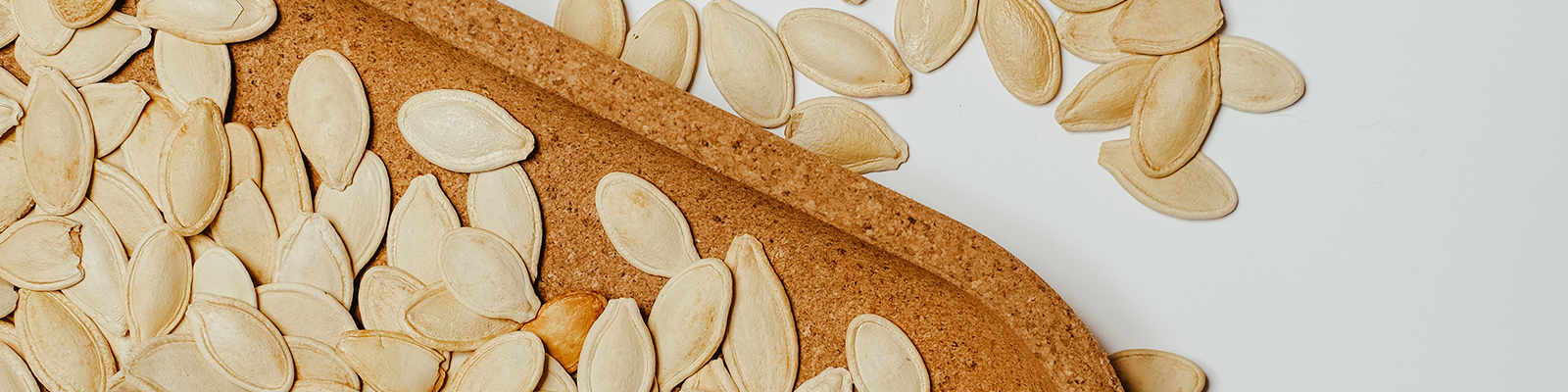




Article Summary
- You can consume pumpkin seeds on their own, or in the form of flour, oil, and powder.
- Whatever form you consume them in, people can see improvements in prostate, heart, and immune health.
- 08The multi-therapeutic seeds can also aid in controlling blood sugar levels and carry out weight loss.
Millions of men over 50 deal with the slow-drip misery of an enlarged prostate, waking up three times a night, standing at the urinal waiting, or that maddening sense that the bladder never quite empties. Miserable. Pumpkin seed oil has been used as a traditional remedy for these symptoms for centuries, and now clinical researchers are confirming there’s real science behind what grandmothers in Eastern Europe already knew.
Does Pumpkin Seed Oil Actually Help the Prostate?
Yes, with some caveats. Studies have shown meaningful improvements in urinary symptoms linked to benign prostatic hyperplasia (BPH), though it won’t work the same way for every man and isn’t a substitute for medical care.
BPH affects a striking share of aging men. A 2025 review in Translational Andrology and Urology put the 26.20% lifetime prevalence of BPH across 25 countries, and a 2025 study in Scientific Reports found a 122% increase in BPH prevalence since 1990. Those numbers matter. The daily toll of BPH, broken sleep, sudden urgency, weak flow, takes a real bite out of quality of life.
Doctors track how badly symptoms affect men using four main measures: the International Prostate Symptom Score (IPSS), PSA (prostate-specific antigen) levels, prostate volume on imaging, and urine flow rate. You’ll run into all four once you start reading the clinical literature.
What the research shows so far
A 2022 meta-analysis in Clinical Phytoscience pooled data from two 12-month randomised placebo-controlled studies and found that a proprietary pumpkin seed extract produced measurable IPSS and quality-of-life improvements in men with BPH. Genuinely promising. The overall body of evidence is still smaller than what exists for some prescription options, but it’s growing.
How Pumpkin Seed Oil May Support Prostate Health
Several mechanisms likely work together here. Not one magic compound. The main drivers are phytosterols, anti-inflammatory fatty acids, antioxidants, and micronutrients like zinc.
The compounds that matter
The most studied active fraction is Δ⁷-phytosterols. Hull-less pumpkin seed oil contains 87.64% Δ⁷-phytosterols in hull-less PSO as a share of total phytosterols, according to 2021 research in Food & Nutrition Research. These phytosterols in pumpkin seed oil have been shown in rat models to suppress 5-alpha-reductase (5-AR), androgen receptor expression, and a coactivator called SRC-1, all players in prostatic tissue growth.
But phytosterols aren’t the whole story. PSO also contains polyunsaturated fatty acids, tocopherols (vitamin E), carotenoids, and polyphenols. Zinc deserves a mention too; the prostate concentrates it at levels far above other tissues, with normal serum zinc running roughly 70 to 120 micrograms per deciliter, and foods high in zinc can help maintain the levels that prostate tissue depends on. Deficiency has been tied to impaired prostate function. You can read more about zinc and prostate tissue health and how antioxidant compounds like lycopene support the prostate alongside these pathways. Quercetin and beta-sitosterol with curcumin are other compounds studied in this space.
What happens in your body
PSO appears to slow the conversion of testosterone into dihydrotestosterone (DHT), the hormone most directly linked to prostate cell proliferation. Lower DHT means less stimulation of prostate growth. Less growth means less pressure on the urethra, and that’s the part that actually changes how you sleep at night. A 2021 PMC study confirmed that pumpkin seed oil produced IPSS improvements comparable to tamsulosin over three months in a randomised trial, with no side effects recorded in the PSO group.
How Researchers Measure Whether It’s Working
Knowing what these trials actually measure helps you read the evidence critically.
Tracking symptom scores and urine flow
The IPSS is a 7-question questionnaire scored from 0 to 35, scores of 8 to 19 indicate moderate symptoms, and 20 or above means severe. A drop of 3 or more points is noticeable. Five or more is clinically meaningful. Uroflowmetry measures peak urine flow rate (Qmax): normal sits above 15 mL/s, while below 10 mL/s suggests obstruction. A related measure, post-void residual (PVR), captures the urine remaining after voiding, above 50 mL can signal obstruction, and above 300 mL is clinically significant. Researchers used these exact tools in the head-to-head PSO vs. tamsulosin trial and its published companion data.
Lab values and imaging your doctor may use
Normal PSA runs below 4 ng/mL in most men, though age-adjusted ranges apply. Elevated PSA prompts further investigation, not a diagnosis on its own. Prostate volume gets measured with transrectal ultrasound (TRUS), the gold-standard imaging tool; a volume above 30 mL is the commonly used threshold for BPH. See the full PSO vs. tamsulosin evidence for how these measures tracked across the trial period.
Pumpkin Seed Oil vs. Other Natural Options
Pumpkin seed oil sits alongside saw palmetto, beta-sitosterol vs. saw palmetto, and other herbs for enlarged prostate as the most studied plant-based options. Saw palmetto has more total trials behind it, but a 2012 Cochrane review found it performed no better than placebo in larger, high-quality studies. Beta-sitosterol has shown consistent IPSS reductions in well-designed trials. Saw palmetto for BPH and PSO share a 5-AR inhibition mechanism, though direct head-to-head trials comparing the two don’t yet exist.
PSO is often paired with isoflavonoids or cranberry in pilot studies, and cranberry for urinary health has its own evidence base worth understanding alongside the prostate literature. One PMC pilot study found that a pumpkin seed plus isoflavonoid mix improved IPSS, quality-of-life, and even sexual function scores across three months. Striking. Individual IPSS responses in clinical trials ranged from a 4 to 7-point mean reduction, but some men saw little change, and nobody’s yet identified who responds best. An anti-inflammatory diet and prostate-supportive foods are worth pairing with any supplement approach; omega-3 fatty acids contribute meaningfully to that anti-inflammatory foundation.
How to Use Pumpkin Seed Oil and What to Expect
Practical guidance matters as much as the clinical rationale. Think of PSO as a supporting measure alongside lifestyle changes, not a standalone fix. Managing prostate issues at home and natural tips for bladder problems can complement supplementation.
Cold-pressed PSO preserves Δ⁷-phytosterol content better than refined or heat-processed oil. Quality matters enormously here. When choosing a product, look for: cold-pressed on the label, a verified phytosterol content specification, GMP (Good Manufacturing Practice) certification, and third-party testing. Store the oil in a dark glass bottle away from heat and light, refrigerate after opening, and use within 6 months to prevent oxidative degradation. A good guide to prostate supplements walks through what these quality markers mean in practice.
Lifestyle changes worth stacking alongside PSO: cut back on alcohol, skip caffeine after midday, do pelvic floor exercises regularly, and keep your weight in a healthy range.
Typical dosage and timing
The best-evidenced dose from the 2021 RCT is 360 mg twice daily, 720 mg total per day, as a softgel or capsule formulation. Culinary oil makes standardisation harder. Split the dose between morning and evening, take it consistently, and that rhythm tends to work best.
How long it takes to see results
Expect 4 to 12 weeks before you notice a meaningful shift in urinary symptoms. The 12-month studies show that improvements accumulate over time, so a short trial gives an incomplete picture. Don’t judge it at two weeks.
Safety, Side Effects, and Drug Interactions
Natural doesn’t mean risk-free. Worth saying plainly.
Known side effects and cautions
PSO is generally well tolerated in studies. Mild gastrointestinal upset, nausea, loose stools, has been reported at higher doses. No severe adverse events were recorded in the major trials. The pumpkin seed plus isoflavonoid combination study noted no safety concerns across its participants.
Who should be careful
PSO may raise bleeding risk due to its platelet-inhibiting fatty acids. If you take anticoagulants (warfarin, apixaban) or antiplatelet drugs (aspirin, clopidogrel), talk to your doctor before starting it. It may also modestly lower blood pressure, so men already working to lower blood pressure naturally through diet or medication should keep a closer eye on their readings. Before any surgery, tell your surgeon you’re taking PSO; the evidence on exact washout timing is limited, but most practitioners recommend stopping 1 to 2 weeks beforehand. Pregnancy or hormone-sensitive conditions? Check with a healthcare provider first.
When to Talk to Your Doctor
See a doctor promptly if you notice blood in your urine, pain during urination (which can signal urinary tract infection in men), frequent urination that pulls you out of sleep repeatedly, or a sudden inability to urinate at all. Nocturia more than twice a night on a consistent basis warrants investigation. Men with type 2 diabetes should know that diabetes and ED and urinary symptoms can overlap, and diabetes signs in men sometimes mimic prostate problems closely enough to confuse the picture. This article is informational and isn’t a substitute for a clinical evaluation.
Frequently Asked Questions
The USD 1.14 billion PSO market 2024 means dozens of products now compete for shelf space, and the USD 420 million PSO supplements 2025 segment is growing fast. More options make quality checks more important, not less.
Can I take pumpkin seed oil if I’m already on prostate medication?
Possibly, but check with your doctor first. PSO may add a modest blood-pressure-lowering effect to alpha-blockers like tamsulosin, and its mild anticoagulant properties could interact with other medications. Don’t stop prescribed medication without guidance.
Is pumpkin seed oil safe to use long-term?
The 12-month RCT data showed no safety concerns over that period. Long-term safety data beyond one year is limited, so periodic check-ins with your doctor are reasonable if you’re using it continuously.
What’s the difference between pumpkin seed oil and whole pumpkin seeds for prostate health?
The oil contains a higher concentration of phytosterols per serving than whole seeds. Whole seeds offer fiber and zinc but deliver a less standardized dose of the active Δ⁷-phytosterol fraction. Softgel supplements provide the most consistent dosing for therapeutic purposes.
What’s the best way to store pumpkin seed oil to keep it potent?
Keep it in a dark glass bottle in the refrigerator after opening. Exposure to heat, light, and air degrades the unsaturated fatty acids and reduces potency. Use it within 6 months of opening.
What should I look for on the label when buying pumpkin seed oil?
Look for “cold-pressed,” a stated phytosterol content, GMP-certified manufacturing, and third-party testing verification. Avoid products that list refined or heat-extracted oil without specifying the extraction method.
Conclusion
Pumpkin seed oils and how they help the prostate come down to a well-characterized mechanism, Δ⁷-phytosterol inhibition of 5-alpha-reductase, backed by multiple human trials showing real IPSS improvements. The evidence is genuinely encouraging, not just theoretical. Honestly, responses do vary; PSO works best as part of a wider approach to prostate health that includes diet, lifestyle, and regular medical check-ins. Always talk to your doctor before starting any new supplement, particularly if you’re on prescription medication.
This article is for informational purposes only and does not serve as medical advice. The details provided here are not a replacement for, and should never be depended upon as, professional medical advice. Always consult your physician regarding the potential risks and benefits of any treatment.
Dr. Chinedu Anthony Anene
PhD, Senior Lecturer in Bioinformatics
Dr. Chinedu Anthony Anene, PhD, is a Senior Lecturer in Bioinformatics at Leeds Beckett University with expertise in cancer genomics, prostate cancer research, and computational biology.
Our Medical Review Process
At Ben’s Natural Health, we are committed to maintaining the highest standards of accuracy, transparency, and scientific integrity. Every piece of content is carefully developed by medical professionals and undergoes a thorough review every 12 to 24 months. This ensures that our information remains current, reliable, and rooted in credible, evidence-based research. We reference only peer-reviewed studies from reputable medical journals, providing full citations and direct links to enhance trust and confidence. Learn more about our medical review process and research standards.
Our Editorial Guidelines
For over 25 years, Ben’s Natural Health has been a trusted source of scientifically backed, reliable health information. Our editorial guidelines uphold the highest quality and integrity for every article we publish. Each piece is written by qualified experts and undergoes independent quality checks. We prioritize transparency by clearly displaying contributor credentials and biographies at the beginning of every article. Read more about our editorial standards.
Medical Disclaimer
The content on this blog is for informational purposes only and should not be considered a substitute for professional medical advice, diagnosis, or treatment. While our articles are authored and reviewed by licensed medical professionals, they may not address your specific health concerns. Always consult a qualified healthcare provider before making any medical decisions.
Article Sources
- https://tau.amegroups.org/article/view/136317/html
- https://www.nature.com/articles/s41598-025-90229-3
- https://doaj.org/article/df4860cdfb95472f9ba080fc62d6539d
- https://pmc.ncbi.nlm.nih.gov/articles/PMC8693601/
- https://foodandnutritionresearch.net/index.php/fnr/article/view/7537
- https://pmc.ncbi.nlm.nih.gov/articles/PMC8527717/
- https://www.academia.edu/60192811/Pumpkin_seed_oil_Cucurbita_pepo_versus_tamsulosin_for_benign_prostatic_hyperplasia_symptom_relief_a_single_blind_randomized_clinical_trial
- https://www.researchgate.net/publication/355424845_Pumpkin_seed_oil_Cucurbita_pepo_versus_tamsulosin_for_benign_prostatic_hyperplasia_symptom_relief_a_single-blind_randomized_clinical_trial
- https://ouci.dntb.gov.ua/en/works/4bWZgk5l/
- https://pmc.ncbi.nlm.nih.gov/articles/PMC7083134/
- https://www.grandviewresearch.com/industry-analysis/pumpkin-seed-oil-market-report
- https://www.openpr.com/news/4433088/pumpkin-seed-oil-supplements-market-player-analysis-growth
Article Update History
Reviewer:
Created on September 3, 2021
Explore More

Candida Diet: Foods To Eat and Avoid With A Yeast Infection
A yeast infection occurs when the yeast (fungus) Candida albicans becomes overgrown, which leads to uncomfortable symptoms like genital itching, burning while peeing or ...