13 Common Prostatitis Questions





Article Summary
- Prostatitis causes urinary tract symptoms similar to a bacterial bladder infection.
- Each type of prostatitis has different features, symptoms, causes, risk factors, and treatment.
Prostatitis is one of the most common urological conditions men face, yet it’s also one of the most misunderstood. These 13 common prostatitis questions cover everything from what the condition actually is to how long it takes to recover, so you can get straight answers without wading through jargon.
What Is Prostatitis and Why Does It Happen
Prostatitis is inflammation of the prostate gland, a walnut-sized organ sitting just below the bladder that produces fluid making up part of semen. It can bring on pain, urinary changes, and sexual discomfort. According to a 2025 AUA guideline, CP/CPPS affects 2% to 10% of men worldwide, making it the most common urological diagnosis in men under 50. A broader overview of prostatitis causes, symptoms, and treatments covers the full picture well. Detailed prostatitis statistics show the condition touches men across every age group, though it peaks between ages 35 and 50.
There are four recognized types, and they behave quite differently.
The main types and how they differ
| Type | Name | Cause | Feature |
| I | Acute bacterial prostatitis | Bacterial infection | Sudden, severe; fever common |
| II | Chronic bacterial prostatitis | Recurrent bacterial infection | Milder but persistent; recurring UTIs |
| III | Chronic pelvic pain syndrome (CPPS) | Unknown/multifactorial | Most common; no bacteria found |
| IV | Asymptomatic inflammatory prostatitis | Unknown | No symptoms; found incidentally |
Chronic bacterial prostatitis (Type II) is marked by recurring urinary infections that trace back to the prostate, often with milder but persistent pain compared to the acute form. Chronic pelvic pain syndrome (Type III) is a different animal, no bacterial infection shows up on standard culture, it’s the most common form, and its cause isn’t fully understood. Asymptomatic inflammatory prostatitis (Type IV) produces zero symptoms and only comes to light when a doctor tests prostate fluid or tissue for something else entirely, like a PSA check or an infertility workup.
What characterizes acute bacterial prostatitis compared to other types?
Acute bacterial prostatitis (Type I) hits fast and hard. A sudden fever, chills, and severe pelvic or lower-back pain typically show up alongside a burning sensation when urinating. It’s the most medically urgent type. Same-day care isn’t optional here.
What Causes Prostatitis
Bacterial infection is the confirmed cause for Types I and II. The most common bacteria involved are Escherichia coli and other gram-negative organisms that normally live in the gut or urinary tract.
Bacterial infections and other triggers
Risk factors for bacterial prostatitis include prior urinary tract infections, recent urinary catheterization or instrumentation, and unprotected anal intercourse. An epidemiology of prostatitis study found an 8.2% overall prostatitis prevalence rate across population surveys, underscoring just how widely distributed this condition really is. The NIH categorises prostatitis into four main types, and that classification shapes how causes are understood for each one.
For Type III (CPPS), the picture gets murkier. The pelvic pain causes in men that overlap with CPPS include pelvic floor muscle dysfunction, nerve sensitization, immune dysregulation, and possibly microbiome shifts in prostatic fluid, but no single trigger has been confirmed. Evidence is still limited and contested; “we don’t fully know” is genuinely the honest answer. Detailed information on bacterial prostatitis, acute prostatitis, and chronic prostatitis covers each type’s specific triggers in greater depth.
What Symptoms Should You Watch For
Prostatitis symptoms fall into three areas: pain, urinary changes, and sexual discomfort. Catching them early matters, since the NIH Annual Data Report on urologic diseases documents roughly 2 million prostatitis-related outpatient visits in the US every year. An evidence-based treatment overview confirms that warning symptoms of prostatitis can span multiple body systems.
Pain and aching: Dull aching or sharp pain in the perineum (the area between the scrotum and rectum), lower abdomen, lower back, or groin. Some men also notice penile discharge or pain at the tip of the penis.
Urinary changes: A weak or interrupted urine stream, difficulty starting urination, a frequent and urgent need to urinate (including overnight), or a burning sensation during urination.
Sexual discomfort: Prostate pain after ejaculation is particularly common in chronic forms of the condition. Reduced libido and discomfort during intercourse also occur.
Pain, urinary changes, and when they’re serious
Mild urinary urgency or low-grade pelvic discomfort can be managed with a GP visit. But high fever, inability to urinate, or severe sudden pelvic pain needs urgent care that day.
What Complications Can Occur If Prostatitis Is Left Untreated
Left untreated, acute bacterial prostatitis can progress to a prostatic abscess, a pocket of pus inside the gland that may need surgical drainage. In severe cases, infection spreads to the bloodstream (bacteremia), landing the patient in hospital. A systematic review published in a 2025 meta-analysis found that chronic prostatitis frequently leads to lasting sexual dysfunction when it goes unmanaged.
Chronic prostatitis that goes untreated can damage semen quality and contribute to male infertility. There’s a psychological toll, too: anxiety and depression correlated with prostatitis symptoms in men with longer disease duration, compounding quality-of-life problems. Persistent inflammation can also drive lower-back pain and, in some men, urinary incontinence from ongoing bladder irritation. Treating prostatitis early limits how far these downstream effects reach.
How Is Prostatitis Diagnosed
Diagnosis usually involves a combination of history-taking, a physical examination, and lab tests. Research on the epidemiology of prostatitis confirms that a thorough evaluation is needed because several conditions mimic prostatitis symptoms.
What diagnostic tests are used to confirm prostatitis?
A doctor will typically start with a digital rectal exam (DRE), pressing gently on the prostate through the rectal wall to check for tenderness, swelling, or abnormal texture. A urine sample is then tested for white blood cells and bacteria. For chronic bacterial prostatitis, the gold-standard test is the 2-glass or 4-glass Meares-Stamey test, which compares bacterial counts in urine samples collected before and after prostate massage.
Prostate fluid analysis – examining expressed prostatic secretions under a microscope – helps detect white blood cells that point to inflammation even when no bacteria grow on culture. Asymptomatic prostatitis is usually discovered incidentally during this testing or during a PSA workup ordered for another concern. A full prostatitis diagnosis and treatment walkthrough explains what to expect at each step.
What Treatment Options Are Available
Treatment depends entirely on the type. Bacterial prostatitis needs antibiotics; CPPS calls for a multimodal approach. According to a 2026 Clinical Infectious Diseases state-of-the-art review and AUA guideline updates, treatment should always be matched to a confirmed or likely cause.
For non-antibiotic options and self-care, managing prostatitis pain, treatment without antibiotics, and natural remedies for prostatitis cover home-based strategies.
Antibiotics, pain relief, and self-care
Acute bacterial prostatitis (Type I): First-line treatment is 2 to 4 weeks of broad-spectrum antibiotics, typically ciprofloxacin or trimethoprim-sulfamethoxazole, adjusted once culture results are available. Severe cases may need intravenous antibiotics initially.
Chronic bacterial prostatitis (Type II): Because antibiotics penetrate prostate tissue slowly, treatment runs for a minimum of 6 weeks of antibiotics for chronic bacterial prostatitis. Fluoroquinolones like ciprofloxacin are preferred for their tissue penetration.
CPPS (Type III): Alpha-blockers (such as tamsulosin) relax smooth muscle in the prostate and bladder neck, easing urinary symptoms. NSAIDs help with pain and are commonly recommended alongside other measures. The AUA now recommends a tailored approach that may include physical therapy, behavioral changes, and psychological support for men with anxiety or depression.
Home self-care for any type: Warm sitz baths, increased fluid intake, avoiding caffeine and alcohol, and regular ejaculation (which may help clear prostatic secretions) are commonly recommended by clinicians.
How Long Does Prostatitis Last
Type and treatment response determine duration significantly, and a 2025 study on prostatitis prognosis supports realistic, type-specific expectations. Different types of prostatitis require different recovery periods, ranging from weeks for acute bacterial cases to months or years for chronic conditions as outlined in a prostatitis recovery guide.
- Acute bacterial prostatitis: Most men improve within 2 to 4 weeks with antibiotics. Full resolution is typical when treatment is completed.
- Chronic bacterial prostatitis: Treatment lasts at least 6 weeks; some men need longer courses. Recurrence is a real risk, and approximately one-third of men reporting symptoms experience resolution after 1 year.
- CPPS: This is where prognosis gets more honest. Symptoms can persist for months or years, and no single treatment reliably resolves them for everyone. The evidence for most individual therapies is modest; multimodal care improves outcomes.
—
Can Prostatitis Affect Sexual Function and Fertility
Yes, and this is one of the most under-discussed aspects of prostatitis. A 2025 systematic review and meta-analysis found 59% overall sexual dysfunction in CP/CPPS patients across 26 studies and 20,127 men. Painful sex in men and sexual discomfort linked to dyspareunia can overlap significantly with prostatitis symptoms, and both hit libido hard. Prostatitis and erectile dysfunction can co-occur, partly through pain and partly through the psychological weight of living with a chronic condition. A 2020 review concluded that CPPS management needs to account for this psychosexual dimension as a matter of routine.
On the fertility front, chronic and inflammatory prostatitis can affect sperm motility and semen quality by altering the composition of prostatic fluid. In bacterial types, active infection introduces bacteria and white blood cells directly into semen, impairing sperm function. These effects typically improve once treatment succeeds, but men dealing with infertility alongside prostatitis symptoms should raise both concerns with their urologist at the same appointment.
Is Prostatitis the Same as an Enlarged Prostate
No. They’re different conditions that can feel similar but have distinct causes and treatments. The confusion is understandable, both affect the prostate and cause urinary symptoms. A comparison of prostatitis vs. prostate cancer covers the distinctions with those worries in mind. A 2025 meta-analysis underlines why accurate diagnosis changes treatment direction entirely.
Prostatitis involves inflammation, with or without infection. It affects men of any age and is treated with antibiotics, pain management, or multimodal therapy.
Benign prostatic hyperplasia (BPH) – commonly called an enlarged prostate – is a non-cancerous overgrowth of prostate tissue that becomes more common after age 50. It causes urinary obstruction because the enlarged tissue compresses the urethra, not because of inflammation.
Prostate cancer is a separate concern again. Both BPH and prostatitis can raise PSA levels, which is why a biopsy or imaging may be needed to rule cancer out.
Prevention reduces your risk for the bacterial types: staying hydrated, treating UTIs promptly, practicing protected sex, and maintaining pelvic floor health all help. CPPS has fewer proven preventive measures, though managing stress and staying active may reduce flares.
When Should You See a Doctor
Any man with persistent pelvic pain, urinary difficulty, or pain during ejaculation lasting more than a few days should see a doctor. Don’t push through that discomfort, younger men especially tend to dismiss symptoms a clinician could address quickly. Practical guidance on how to prevent prostatitis includes lifestyle steps that also sharpen your awareness of early warning signs. A 2025 pharmacological meta-analysis reinforces that earlier, targeted treatment produces better outcomes across all prostatitis types.
Red-flag symptoms that need urgent care
Go to an emergency room or urgent care that day if you experience:
- Fever over 101°F (38.3°C) combined with pelvic or urinary pain
- Sudden inability to urinate (acute urinary retention)
- Severe, sudden-onset pelvic pain with chills and shaking
- Blood in the urine alongside systemic symptoms
These symptoms may indicate acute bacterial prostatitis with possible abscess or bacteremia, both medical emergencies.
Frequently Asked Questions
Can prostatitis come back after treatment?
Yes, especially chronic bacterial prostatitis. Recurrence rates are high because the prostate’s dense tissue makes full antibiotic penetration difficult. Men who’ve had one episode should promptly report recurring urinary or pelvic symptoms to their doctor rather than waiting.
Can prostatitis be confused with a sexually transmitted infection?
It can. Symptoms like penile discharge, pain during urination, and pelvic discomfort overlap with gonorrhea and chlamydia. Your doctor may test for STIs at the same time, particularly in younger sexually active men. Getting the right diagnosis matters since the treatments differ.
Is it safe to have sex during prostatitis treatment?
For acute bacterial prostatitis, abstaining from sex is generally advised until the infection clears, as intercourse can worsen inflammation and be painful. With chronic forms, sexual activity is typically safe and may even help clear prostatic secretions, but discuss it with your doctor based on your specific situation.
Does diet affect prostatitis symptoms?
Some men find that caffeine, alcohol, spicy foods, and acidic drinks worsen urinary urgency and bladder irritation. There isn’t strong clinical trial evidence for a specific prostatitis diet, but reducing these irritants is a reasonable, low-risk step many urologists recommend.
Are there supplements that may help with prostatitis symptoms?
Some plant compounds have been studied for urinary symptom relief. Prostatitis supplements like quercetin and pollen extract have shown some promise in small trials, though the evidence stays limited. Zinc and prostatitis is another researched area, zinc concentrations in the prostate are naturally high, and some research points to a potential role in prostatic health, but more human data is needed before firm conclusions can be drawn. Per StatPearls via NCBI Bookshelf, supplements should complement medical treatment, not replace it.
How is prostatitis different from a UTI?
A urinary tract infection (UTI) involves bacteria in the bladder or urethra; prostatitis involves the prostate gland itself. Prostatitis can trigger recurrent UTIs in men, which is actually one of the diagnostic clues for chronic bacterial prostatitis. The treatments overlap, since both may involve antibiotics, but the duration and drug choice differ between the two.
Conclusion
Prostatitis is common, affects men of all ages, and ranges from a short acute infection to a persistent chronic condition that needs tailored care. The 13 common prostatitis questions answered here make one thing clear: type matters. Bacterial prostatitis responds well to the right antibiotics; CPPS needs a broader approach that may include physical therapy, lifestyle changes, and psychological support. Most men with bacterial prostatitis recover fully. Chronic forms take longer, and being honest about that builds better treatment expectations than false confidence ever could.
If your symptoms persist or worsen, don’t wait – talk to your healthcare provider. A 2025 randomized controlled trial found that adding psychological support to standard treatment significantly improved outcomes in men with chronic prostatitis, confirming that addressing the whole picture matters.
This article is for informational purposes only and does not serve as medical advice. The details provided here are not a replacement for, and should never be depended upon as, professional medical advice. Always consult your physician regarding the potential risks and benefits of any treatment.
Dr. Howard Tay
MD, FACS, Board-Certified Urologist
Dr. Howard Tay, MD, FACS, is a board-certified urologist in Arizona with 25+ years of experience, recognized as a “Top Doc” by Phoenix Magazine.
Our Medical Review Process
At Ben’s Natural Health, we are committed to maintaining the highest standards of accuracy, transparency, and scientific integrity. Every piece of content is carefully developed by medical professionals and undergoes a thorough review every 12 to 24 months. This ensures that our information remains current, reliable, and rooted in credible, evidence-based research. We reference only peer-reviewed studies from reputable medical journals, providing full citations and direct links to enhance trust and confidence. Learn more about our medical review process and research standards.
Our Editorial Guidelines
For over 25 years, Ben’s Natural Health has been a trusted source of scientifically backed, reliable health information. Our editorial guidelines uphold the highest quality and integrity for every article we publish. Each piece is written by qualified experts and undergoes independent quality checks. We prioritize transparency by clearly displaying contributor credentials and biographies at the beginning of every article. Read more about our editorial standards.
Medical Disclaimer
The content on this blog is for informational purposes only and should not be considered a substitute for professional medical advice, diagnosis, or treatment. While our articles are authored and reviewed by licensed medical professionals, they may not address your specific health concerns. Always consult a qualified healthcare provider before making any medical decisions.
Article Sources
- https://www.auajournals.org/doi/10.1097/JU.0000000000004565
- Başaranoğlu M, Özdeş AA, Sesli M, & Akbay E (2026). Evidence-Based Treatment Ladder for Chronic Prostatitis/Chronic Pelvic Pain. The Prostate, 86(5), 550-560. https://doi.org/10.1002/pros.70114
- Roberts, Rosebud O., & Jacobsen, Steven J. (2000). Epidemiology of Prostatitis. Current Urology Reports, 1(2), 135-141. https://doi.org/10.1007/s11934-000-0048-7
- https://www.sciencedirect.com/science/article/abs/pii/S0924857907005523
- Anwaar, Adeel, Hameed, Farooq, Ali, Rao Nouman, & Haq, Inam Ul (2026). Polymicrobial prostatitis: microbiological spectrum and antibiotic resistance patterns in a retrospective cohort study. Bulletin of the National Research Centre, 50(1), 3. https://doi.org/10.1186/s42269-026-01390-2
- https://www.niddk.nih.gov/-/media/Files/Strategic-Plans/urologic/2024/UDA-ADR-UCPPS-2024_508.pdf
- Alshahrani S, Fathi BA, Abouelgreed TA, & El-Metwally A (2025). Prevalence of Sexual Dysfunction with Chronic Prostatitis/Chronic Pelvic Pain Syndrome (CP/CPPS): An Updated Systematic Review and Meta-Analysis. Medicina (Kaunas, Lithuania), 61(6). https://doi.org/10.3390/medicina61061110
- Konstantinos Stamatiou, Vittorio Magri, Margherita Trinchieri, Alberto Trinchieri, & Gianpaolo Perletti (2024). Psychological and sexological assessment of patients with chronic prostatitis. Archivio Italiano di Urologia e Andrologia, 96(1). https://doi.org/10.4081/aiua.2024.12452
- https://www.researchgate.net/publication/5684534_Epidemiology_of_prostatitis
- Lai HH, Pontari MA, Argoff CE, Bresler L, Breyer BN, Chou R, et al. (2025). Male Chronic Pelvic Pain: AUA Guideline: Part II Treatment of Chronic Prostatitis/Chronic Pelvic Pain Syndrome. The Journal of urology, 214(2), 127-137. https://doi.org/10.1097/JU.0000000000004565
- Meysam Olfatifar, Mohsen Rajabnia, Amir Sadeghi, Amirhassan Rabbani, Shabnam Shahrokh, Mohammad Amin Habibi, et al. (2025). The epidemiological trends and projected future of primary sclerosing cholangitis by 2040: An updated meta-analysis and modeling study. PLOS One, 20(5), e0322479. https://doi.org/10.1371/journal.pone.0322479
- https://www.mdpi.com/1648-9144/61/6/1110
- J Curtis Nickel (2020). Chronic prostatitis/chronic pelvic pain syndrome: it is time to change our management and research strategy. BJU international, 125(4), 479-480. https://doi.org/10.1111/bju.15036
- Saad Alshahrani, Basem A Fathi, Tamer A Abouelgreed, & Ashraf El-Metwally (2025). Comparative Efficacy of Pharmacological Interventions for Chronic Prostatitis/Chronic Pelvic Pain Syndrome: An Updated Systematic Review and Meta-Analysis of Randomized Controlled Trials. Healthcare (Basel, Switzerland), 13(22), 2956. https://doi.org/10.3390/healthcare13222956
- https://www.mdpi.com/2227-9032/13/22/2956
- Hannah J. Pendegast, Stephen W. Leslie, & Derek J. Rosario (2024). Chronic Prostatitis and Chronic Pelvic Pain Syndrome in Men. https://www.ncbi.nlm.nih.gov/books/NBK599550/
- Lin X, Pan XB, Guo BZ, & Lee SP (2025). The effect of psychological intervention combined with standard pharmacological therapy in patients with chronic prostatitis/chronic pelvic pain syndrome (CP/CPPS): A randomized controlled trial. Medicine, 104(35), e44110. https://doi.org/10.1097/MD.0000000000044110
Article Update History
Reviewer:
Created on March 15, 2022
Explore More
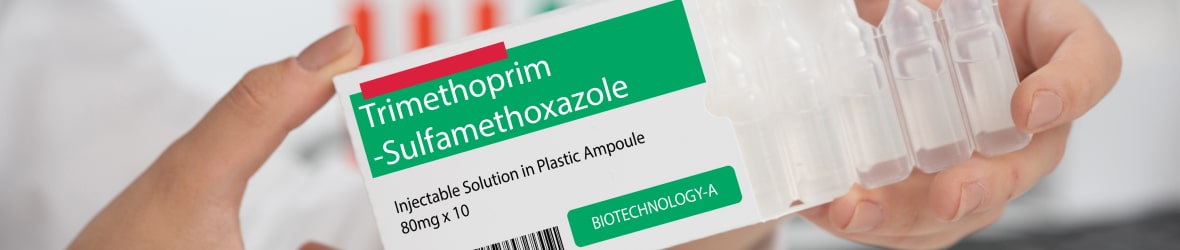
Doctor Answers: Effectiveness of Bactrim for Prostatitis
If you’ve been diagnosed with prostatitis and have been prescribed Bactrim, you might be curious about how it works and whether it’s truly effective. ...