7 Natural Alpha-Blockers Explained: Evidence, Dosing, and Safety
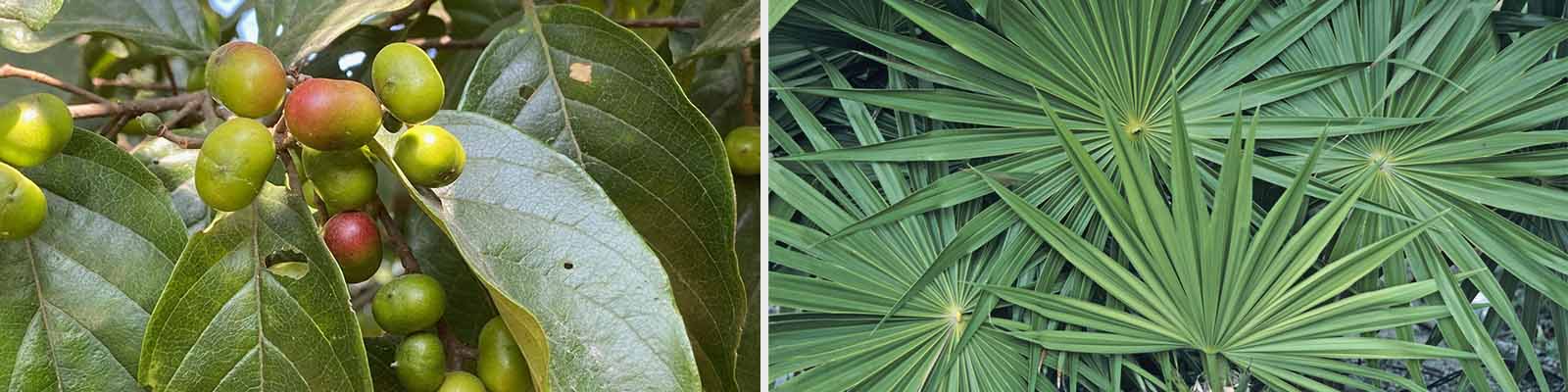




Urinary symptoms from an enlarged prostate affect a large share of men over 50. a 2025 BMC Urology analysis found prevalence ranges from 50 to 75% in that age group, rising to 80% by age 70. Many men want to know whether plant-derived options can help before or alongside prescription treatment. The answer is straightforward: 7 natural alpha-blockers have clinical research behind them, with varying degrees of evidence, and this article covers what the data actually shows.
What Are Natural Alpha-Blockers?
Natural alpha-blockers are plant-derived compounds that may support smooth-muscle relaxation in the prostate, bladder neck, and urethra, potentially easing urinary flow without the side-effect profile that comes with prescription drugs. They don’t bind alpha-1 adrenergic receptors with the same speed or strength as pharmaceuticals like tamsulosin or doxazosin. But several act on overlapping pathways, inhibiting prostate tissue growth, cutting inflammation, or modestly relaxing smooth muscle. For a solid grounding in how prescription alpha-blockers work, the mechanism is fairly direct. As StatPearls (NIH) explains, alpha-1 receptors on smooth-muscle cells throughout the prostate and bladder neck raise the urethral tension that restricts urine flow, which makes them a direct therapeutic target.
How Natural Alpha-Blockers Work
When alpha-1 receptors are stimulated, smooth muscle contracts, squeezing the urethra and making urination harder. Prescription drugs block these receptors competitively and strongly. Natural compounds act more indirectly: reducing androgen activity, suppressing inflammation, or inhibiting the enzyme 5-alpha-reductase (5-AR), which converts testosterone into dihydrotestosterone (DHT). DHT increases prostate tissue growth. The practical result is a slower onset and a gentler side-effect profile, but also a smaller effect size.
The 7 Most Effective Natural Alpha-Blockers
These seven compounds have accumulated the most clinical research among plant-derived options studied for urinary symptoms. Extraction method matters. A standardized extract with verified active-compound levels is more reliably dosed than a crude powder, and the evidence base for BPH herbal remedies covers several of these and their combinations in broader context.
Saw Palmetto
Saw palmetto (Serenoa repens) fatty acids and phytosterols inhibit 5-AR and carry anti-inflammatory activity. The standard studied dose is 320 mg/day of a lipophilic extract, assessed over at least 12 weeks. Full detail on saw palmetto’s dosing and forms is worth reviewing before you start. Be honest about the evidence: a 2023 review of 27 studies found saw palmetto provides little to no benefit for BPH versus placebo per NCCIH’s assessment, though some smaller trials do show modest improvements in prostatitis symptoms.
Green Tea
Green tea’s main active compound is epigallocatechin-3-gallate (EGCG), a polyphenol with anti-inflammatory and antiandrogenic properties. In prostate tissue, EGCG may inhibit DHT binding and suppress pro-inflammatory cytokines. The research on green tea and prostate health is largely observational and preclinical; direct alpha-blocking evidence is weaker here than for saw palmetto or beta-sitosterol. Studied doses run from 400 mg to 800 mg of EGCG daily. Treat it as a supportive compound, not a lead one.
Beta-Sitosterol
Beta-sitosterol is a phytosterol found in nuts, seeds, and plant oils. It inhibits 5-AR and has shown mild smooth-muscle-relaxing properties in human prostate tissue. A 2025 study in Pharmaceuticals confirmed it directly inhibits human prostate smooth-muscle contraction. Typical supplemental doses run 60 mg to 130 mg daily. It pairs well with saw palmetto; a direct beta-sitosterol vs saw palmetto comparison clarifies where each adds value, and the beta-sitosterol and curcumin combination for prostate support is worth a separate look.
Pygeum Africanum
Pygeum comes from the bark of the African plum tree. Its active constituents, pentacyclic triterpenes and phytosterols, reduce prostate inflammation and block androgen activity in prostate tissue. Standard dose is 100 mg to 200 mg of a standardized extract daily. Cochrane-level evidence shows modest improvements in urinary flow and symptom scores versus placebo; effect sizes fall short of pharmaceutical alpha-blockers, but the side-effect profile is generally favorable.
Stinging Nettle
Stinging nettle root, not the leaf, is the relevant preparation for urinary symptoms. Root extracts interact with sex-hormone-binding globulin (SHBG), potentially cutting free DHT availability in prostate tissue. The broader health benefits of stinging nettle go beyond urinary function, but its prostate application rests on small European RCTs: promising, though not large-scale. Typical doses are 300 mg to 600 mg of root extract daily, most often combined with saw palmetto.
Rye Grass Pollen
Cernilton is the standardized rye grass pollen extract used in clinical trials. Generic “pollen” products aren’t equivalent, standardization here is everything. Cernilton’s mechanisms include smooth-muscle relaxation in the bladder neck and anti-inflammatory effects on prostate tissue. The studied dose is roughly 126 mg three times daily, assessed over 12 to 24 weeks. Men with pollen allergies should avoid this supplement entirely; hypersensitivity reactions are a real contraindication.
Lycopene
Lycopene is a carotenoid antioxidant concentrated in cooked tomatoes and watermelon. It may cut oxidative stress in prostate tissue, and lycopene’s role in prostate health is covered elsewhere. Don’t overstate the direct alpha-blocking evidence, it’s largely observational and preclinical. Bioavailability is fat-soluble and considerably higher from cooked tomato products than raw. Studied supplemental doses range from 15 mg to 30 mg daily. Curcumin works along similar anti-inflammatory lines; turmeric and prostate health is a related read. For complementary minerals, zinc and prostate health covers another frequently asked topic, and astragalus root benefits may interest men exploring immune-supportive botanicals.
How Natural Alpha-Blockers Compare to Prescription Medications
Prescription alpha-blockers, tamsulosin, alfuzosin, silodosin, bind alpha-1A receptors rapidly and strongly, typically cutting IPSS by 4 to 6 points and lifting peak urinary flow rate by 1.5 to 3.5 mL/s within weeks. A network meta-analysis confirmed these agents outperform placebo across all major endpoints. Natural compounds generally show smaller IPSS improvements, often 2 to 3 points, and they need 8 to 24 weeks to produce meaningful effect. Medscape’s BPH treatment guidance positions prescription alpha-blockers as first-line for moderate-to-severe symptoms; natural options fit milder presentations better. Supplements cost less than prescriptions but aren’t insurance-covered and don’t carry the regulatory oversight of approved drugs. The Cleveland Clinic’s alpha-blocker overview summarizes pharmaceutical side effects clearly. Men weighing natural tamsulosin alternatives and how alpha-blockers compare to beta-blockers will find both comparisons useful before deciding.
What the Evidence Actually Shows
Three measures evaluate urinary-symptom treatments. The IPSS score (a validated 0-to-35 questionnaire; a reduction of 3 or more points is clinically meaningful), peak urinary flow rate (Qmax in mL/s; an increase of at least 1.5 mL/s matters clinically), and post-void residual volume (urine remaining after voiding, measured by ultrasound). A 2026 systematic review in the European Journal of Medical Research confirmed these as the outcomes for alpha-blocker trials. For saw palmetto, a 2024 JU Open Plus systematic review found improved symptoms versus placebo across 21 studies, but mixed results against pharmaceutical comparators. A prospective AUA Journal trial comparing saw palmetto to finasteride found saw palmetto inferior on objective flow measures. The evidence on silodosin shows that alpha-1A receptor density in BPH tissue reaches up to 85%, giving prescription drugs a selectivity advantage that natural compounds don’t fully match. What saw palmetto does in the prostate mechanistically helps explain these findings. A deprescribing trial protocol (NCT05415748) reflects growing interest in stepping down pharmacotherapy, relevant context for men using botanicals as a bridge.
Safety, Side Effects, and Drug Interactions
Natural doesn’t mean risk-free. Gastrointestinal effects (nausea, loose stools, mild bloating) are the most common complaints across most plant compounds, and they’re typically dose-dependent. Men taking anticoagulants, antihypertensives, or hormonal therapies should flag any supplement use to their doctor before starting; saw palmetto in particular may affect platelet function per a double-blind phytosterol trial. A large real-world cohort study tracking over 264,000 men on pharmaceutical alpha-blockers identified neuropsychiatric risks that don’t apply to botanical compounds, but botanical interactions in older men are underreported, as a 2025 Texas HHS BPH agents review notes. Cernilton is contraindicated in pollen-allergic individuals. The standardization of rye pollen extract (detailed in a published extract patent) directly affects both efficacy and safety. For a full picture of alpha-blocker side effects including the pharmaceutical comparison, that guide covers it thoroughly. And remember: this article is informational only and is not a substitute for professional medical advice.
How to Use Natural Alpha-Blockers and Timeline for Results
Record your baseline IPSS score before starting anything. You can’t track progress without a starting point. Here’s a realistic timeline:
| Timeframe | What to Expect |
| Weeks 1 to 4 | Minimal objective change; some men notice mild shifts |
| Weeks 4 to 8 | Early IPSS improvement may appear in responders |
| Weeks 8 to 24 | Maximum benefit window for most botanical agents |
| Beyond 24 weeks | Continue if responding; reassess with your doctor if not |
Dosing summary:
- Saw palmetto: 320 mg/day (standardized lipophilic extract)
- Beta-sitosterol: 60 to 130 mg/day
- Pygeum: 100 to 200 mg/day (standardized extract)
- Stinging nettle root: 300 to 600 mg/day
- Cernilton: 126 mg three times daily
- Green tea (EGCG): 400 to 800 mg/day
- Lycopene: 15 to 30 mg/day
Combining saw palmetto with beta-sitosterol or pumpkin seed oil is the most commonly studied pairing and may offer additive benefit. Lifestyle matters too. Managing prostate symptoms at home involves reducing evening fluid intake, limiting caffeine and alcohol, and light pelvic-floor exercise, all supported by AAFP’s BPH management overview as valid first-line behavioral steps. For bladder-focused strategies, natural bladder support tips cover fluid timing and training in practical detail. Dr. Stanfield’s saw palmetto dosing overview is a useful independent reference on form selection.
When to See a Doctor
Natural alpha-blockers suit mild-to-moderate symptom severity best, generally an IPSS score between 8 and 19. Some urologists now fold botanical options into shared decision-making for this group, reflecting integrative urology’s gradual acceptance of evidence-based plant therapies. But certain symptoms demand prompt medical attention regardless of what you’re taking.
See a doctor right away if you experience:
- Blood in your urine
- Acute urinary retention (inability to urinate at all)
- An elevated or rapidly rising PSA level
- Severe urinary pain or burning
- Nighttime urination that has suddenly worsened
- Frequent urination accompanied by pelvic pain or fever
An IPSS above 20 indicates severe symptoms. At that point, a urology evaluation comes before supplements, not after.
Frequently Asked Questions
Can I take natural alpha-blockers alongside my prescription prostate medication?
Possibly, but clear it with your doctor first. Some botanicals, saw palmetto in particular, may interact with blood thinners and affect platelet function. Your doctor can go through your specific medication list before you add anything new.
How long do I need to take a natural alpha-blocker before I notice any change in my symptoms?
Most men don’t see meaningful change before 8 weeks, and maximum benefit for most botanical agents comes between weeks 8 and 24. Recording a baseline IPSS score gives you a reliable way to measure whether anything has actually shifted.
What should I do if a natural alpha-blocker isn’t helping after a few months?
Stop, and see your doctor. If your symptoms haven’t improved or have worsened after 12 to 24 weeks on a well-dosed supplement, a prescription option or further diagnostic workup is the right next step. Don’t delay medical care waiting for a supplement to eventually work.
Are natural alpha-blockers safe to use long-term?
Most compounds reviewed here have been studied for up to 12 months without significant safety signals in healthy adults. Long-term data is thinner than it is for prescription drugs, though. Discuss ongoing supplement use with your healthcare provider every year, especially if you’re on other medications.
Conclusion
The 7 natural alpha-blockers, saw palmetto, green tea, beta-sitosterol, pygeum, stinging nettle root, Cernilton, and lycopene, carry real but modest clinical signals for supporting urinary function in men with mild-to-moderate enlarged prostate symptoms. None replaces pharmaceutical treatment for moderate-to-severe BPH, and the evidence for several is still early. Your practical next step: record your baseline IPSS score today, then bring it to your next appointment and talk through whether a botanical approach fits your situation.
This article is for informational purposes only and does not serve as medical advice. The details provided here are not a replacement for, and should never be depended upon as, professional medical advice. Always consult your physician regarding the potential risks and benefits of any treatment.
Dr. Howard Tay
MD, FACS, Board-Certified Urologist
Dr. Howard Tay, MD, FACS, is a board-certified urologist in Arizona with 25+ years of experience, recognized as a “Top Doc” by Phoenix Magazine.
Our Medical Review Process
At Ben’s Natural Health, we are committed to maintaining the highest standards of accuracy, transparency, and scientific integrity. Every piece of content is carefully developed by medical professionals and undergoes a thorough review every 12 to 24 months. This ensures that our information remains current, reliable, and rooted in credible, evidence-based research. We reference only peer-reviewed studies from reputable medical journals, providing full citations and direct links to enhance trust and confidence. Learn more about our medical review process and research standards.
Our Editorial Guidelines
For over 25 years, Ben’s Natural Health has been a trusted source of scientifically backed, reliable health information. Our editorial guidelines uphold the highest quality and integrity for every article we publish. Each piece is written by qualified experts and undergoes independent quality checks. We prioritize transparency by clearly displaying contributor credentials and biographies at the beginning of every article. Read more about our editorial standards.
Medical Disclaimer
The content on this blog is for informational purposes only and should not be considered a substitute for professional medical advice, diagnosis, or treatment. While our articles are authored and reviewed by licensed medical professionals, they may not address your specific health concerns. Always consult a qualified healthcare provider before making any medical decisions.
Article Sources
- Wei H, Zhu C, Huang Q, Yang J, Li YT, Zhang YG, et al. (2025). Global, regional, and national burden of benign prostatic hyperplasia from 1990 to 2021 and projection to 2035. BMC urology, 25(1), 34. https://doi.org/10.1186/s12894-025-01715-9
- Dana Nachawati, Stephen W. Leslie, & Jayesh B. Patel (2025). Alpha-Blockers. https://www.ncbi.nlm.nih.gov/books/NBK556066/
- Saw Palmetto: Usefulness and Safety. NCCIH. https://www.nccih.nih.gov/health/saw-palmetto
- Tamalunas A, Schierholz F, Poth H, Vigodski V, Brandstetter M, Ciotkowska A, et al. (2025). Pine-Extracted Phytosterol β-Sitosterol (APOPROSTAT(®) Forte) Inhibits Both Human Prostate Smooth Muscle Contraction and Prostate Stromal Cell Growth, Without Cytotoxic Effects: A Mechanistic Link to Clinical Efficacy in LUTS/BPH. Pharmaceuticals (Basel, Switzerland), 18(12). https://doi.org/10.3390/ph18121864
- https://www.researchgate.net/publication/380602545_Comparative_efficacy_and_safety_of_alpha-blockers_as_monotherapy_for_benign_prostatic_hyperplasia_a_systematic_review_and_network_meta-analysis
- Benign Prostatic Hyperplasia (BPH) Treatment & Management: Approach Considerations, Alpha-Blockers, 5-Alpha-Reductase Inhibitors. emedicine.medscape.com. https://emedicine.medscape.com/article/437359-treatment
- What Are Alpha-Blockers?. Cleveland Clinic. https://my.clevelandclinic.org/health/treatments/22321-alpha-blockers
- Chen, Rubing, Shen, Huiyuan, Wang, Chen, Wang, Shiqi, Ju, Baojun, & Wang, Zulong (2026). Efficacy and safety of α-blockers plus 5α-reductase inhibitors for benign prostatic hyperplasia: a systematic review and meta-analysis. European Journal of Medical Research, 31(1), 496. https://doi.org/10.1186/s40001-026-03976-y
- https://journals.lww.com/juop/fulltext/2024/02000/saw_palmetto_treatment_for_prostatitis__a.9.aspx
- https://www.auajournals.org/doi/10.1097/01.ju.0000101487.83730.80
- Akhtar OS, Singh V, Bhojani KA, Dharmadhikari S, Bhargave C, Mane A, et al. (2025). A Comprehensive Review of the Clinical Evidence on the Efficacy, Effectiveness, and Safety of Silodosin for the Treatment of Benign Prostatic Hyperplasia. Cureus, 17(6), e85445. https://doi.org/10.7759/cureus.85445
- University of California, San Francisco. (2021). Deprescribing Tamsulosin in Older Men (NCT05415748). ClinicalTrials.gov. https://cdn.clinicaltrials.gov/large-docs/48/NCT05415748/Prot_SAP_000.pdf
- H V Sudeep, Jestin V Thomas, & K Shyamprasad (2020). A double blind, placebo-controlled randomized comparative study on the efficacy of phytosterol-enriched and conventional saw palmetto oil in mitigating benign prostate hyperplasia and androgen deficiency. BMC Urology, 20, 86. https://doi.org/10.1186/s12894-020-00648-9
- Sunny Ssu-Yu Chen, Ya-Chuan Chang, Chia-Ying Yu, Tzuo-Yi Hsieh, & Wen-Wei Sung (2025). Differential Risks of Dementia, Depression, and Injury Among Common α-Blockers, with Tamsulosin as the Reference Drug: A Real-World Cohort Study in Men with Lower Urinary Tract Symptoms. Journal of Clinical Medicine, 14(23), 8302. https://doi.org/10.3390/jcm14238302
- https://www.hhs.texas.gov/sites/default/files/documents/oct-2025-durb-agenda-item04l.pdf
- https://image-ppubs.uspto.gov/dirsearch-public/print/downloadPdf/8513306
- ROBYN WEBBER (2004). Benign Prostatic Hyperplasia. American Family Physician, 70(7), 1325-1326. https://www.aafp.org/afp/2004/1001/p1325
- Saw Palmetto and Prostate Supplements: Benefits, Forms, Dosing, and Si. Dr Brad Stanfield. https://drstanfield.com/blogs/articles/saw-palmetto-and-prostate-supplements-benefits-forms-dosing-and-side-effects
Article Update History
Reviewer:
Created on September 19, 2022
Explore More

Doctor Answers: What are the Best Natural Flomax Alternatives?
If you're looking for natural substitutes for Flomax (Tamsulosin) to manage benign prostatic hyperplasia (BPH) without major side effects, you've come to the right ...