Doctor Answers: What Is Nocturia: Frequent Urination at Night?
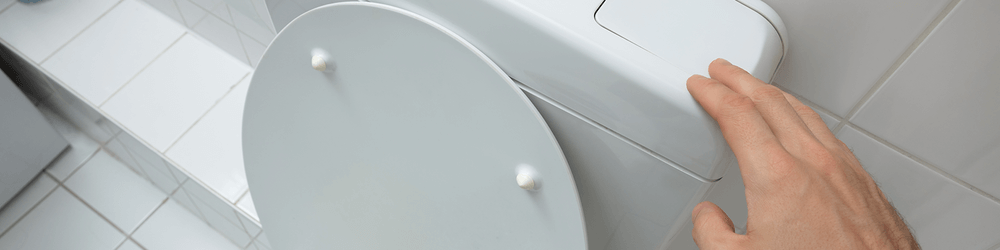




Is this happening frequently throughout the night? Have you found yourself questioning, why do I pee all night long? If this sounds like you, then you may be experiencing nocturia.
Nocturia is a medical term for excessive urination at night.
When we sleep, the body produces less urine, and typically people do not need to wake up during the night for a toilet visit. However, for some people, this is not the case, and they are constantly woken by the need to urinate. This can disrupt sleep patterns and may be a sign of an underlying health problem.
Keep reading to learn what causes night-time urination and how you can .
To provide expert insight into nocturia, frequent urination at night, a licensed medical doctor from Ben’s Natural Health was interviewed. Throughout the article, Dr. Salman addresses direct questions regarding subjects such as “what is nocturia,” “symptoms of nocturia,” and “frequent urination at night causes,” sharing detailed, medically-informed perspectives based on current clinical knowledge and patient care. All information discussed has been carefully reviewed and is rooted in reputable medical sources. By incorporating the latest clinical evidence and specialist interview responses, the article offers trustworthy education for those experiencing excessive urination at night or seeking guidance on how to stop frequent urination at night.
Q: What are the main causes of nocturia (frequent urination at night)?
Dr. Salman answers: Nocturia, which is defined as the need to wake up one or more times during the night to urinate, can have a variety of causes. There isn’t a single identifiable cause for excessive urination at night, also known as frequent nighttime urination. Several factors can contribute to its development, and understanding these is essential for effective management. Let’s explore some of the common underlying reasons:
Prostate Problems
Nocturia can often be an early sign of prostate issues in men. As men age, the prostate gland naturally enlarges. An enlarged prostate (BPH) can compress the urethra, impeding bladder emptying and resulting in frequent urination at night. Men experiencing urinating 3 times at night or more may have underlying prostate enlargement that requires evaluation.
Bladder Problems
Overactive bladder at night can also contribute significantly to nocturia. If you find yourself asking “why do I pee so much at night,” conditions like an overactive bladder, which causes a sudden, uncontrollable urge to urinate, may be involved. Alternatively, a bladder infection can present similar symptoms, including pain, cloudy or malodorous urine, and difficulty fully emptying the bladder.
Diabetes
One of the classic symptoms of diabetes is frequent urination, both during the day and at night. Elevated blood sugar increases thirst, driving up the volume of fluids you consume, which can lead to excessive nighttime urination. If you’re experiencing disrupted sleep due to urination, checking blood sugar levels is crucial, as poorly managed diabetes can exacerbate these symptoms.
Certain Medications
Some medications can also cause excessive urination at night. Diuretics, often prescribed for high blood pressure or fluid retention, increase urine production and may result in nocturia. If you take diuretics, consider discussing the timing of your medication with your healthcare provider.
Multiple Sclerosis
Neurological conditions like multiple sclerosis (MS) can disrupt the nerve signals that control the bladder, leading to bladder dysfunction and nocturia. Such interference may cause symptoms like frequent urination at night and difficulty holding urine.
Obstructive sleep apnea is another notable cause. When breathing is interrupted during sleep, it can increase urine production and result in waking at night to urinate. Research indicates that over 84% of patients with sleep apnea experience frequent nighttime urination.
Pregnancy
Pregnancy often brings hormonal changes and increased pressure on the bladder from the growing uterus, leading to a greater need to urinate at night. Many pregnant women report poor sleep quality due to frequent waking to urinate.
Ultimately, if you notice new symptoms of nocturia or an increase in frequency, especially if you are urinating more than twice per night consistently, it is important to consult your doctor for a thorough evaluation. The nocturia meaning isn’t just “peeing a lot at night”, it can also be a signal of more serious underlying health conditions.For those interested in natural approaches to managing nocturia, .
Q: What are the signs and symptoms of nocturia (frequent urination at night)?
Dr. Salman answers: Nocturia symptoms go beyond simply needing to pass urine at night. This condition can significantly disrupt your sleep and overall well-being. If you find yourself waking up more than once nightly to urinate, this could be a sign of excessive nighttime urination. Common symptoms include:
-
- Excessive urination (polyuria), producing abnormally large volumes of urine at night
-
- Frequent urination, or urinating three times or more each night
-
- Urinary urgency, a compelling need to urinate that may be hard to delay
-
- Disrupted sleep, leading to daytime fatigue and reduced quality of life
Many people search for answers to “why do I pee so much at night but not during the day?” or “how many times is normal to urinate at night?” Generally, waking once per night may be normal, but more frequent interruptions may indicate a problem. If your sleep is regularly disturbed due to urinating at night, it’s advisable to visit your doctor. Persistent frequent nighttime urination can also be a sign of underlying health conditions such as diabetes, overactive bladder, urinary tract infections, or prostate health issues.
Q: How is nocturia diagnosed and what tests might be involved?
Dr. Salman answers: Diagnosing nocturia begins with a detailed history and discussion about your urinary habits, sleep patterns, fluid intake, and the presence of any associated symptoms. You may be asked to keep a bladder diary, meticulously recording how much you drink and urinate every day and night. This diary helps your healthcare provider determine patterns and potential triggers of nocturia, especially for those wondering what causes frequent urination at night.
Further diagnostics may involve:
-
- Urinalysis: This can detect infections, sugar, or blood in your urine, common clues for underlying causes of nocturia.
-
- Blood sugar test: Checks for diabetes, which is a frequent contributor to symptoms of nocturia.
-
- Complete blood count (CBC): Used to identify possible systemic illnesses that may indirectly result in passing urine at night.
-
- Bladder scan: Assesses how much urine remains in your bladder after voiding to detect incomplete bladder emptying.
-
- Cystoscopy: A visual inspection of your bladder and urethra to look for structural causes, tumors, or chronic infections.
-
- Urodynamic testing: Evaluates how well your bladder and urethra hold and release urine, which can identify problems such as overactive bladder or poor muscle control.
For anyone searching “nocturia diagnosis” or “what is nocturia and how is it diagnosed?” these clinical steps are the standard approach to uncover what might be triggering your frequent urination at night.
Q: What are the treatment options for nocturia, and how can I manage frequent urination at night?
Dr. Salman answers: Treating nocturia depends on identifying and managing its underlying cause. There isn’t a one-size-fits-all solution, so treatment is personalized based on individual health conditions and contributing factors. If you’re searching “how to stop nocturia,” consider both medical and lifestyle interventions:
Medication
Several medications are available to treat nocturia and excessive urination at night:
-
- Desmopressin: Helps the kidneys produce less urine during the night.
-
- Anticholinergic medications: Used for overactive bladder by relaxing bladder muscles. Possible side effects include dry mouth, constipation, cognitive changes, and blurry vision, so it’s important to work closely with your doctor to monitor any adverse reactions.
-
- Diuretic medicines: For some patients, adjusting the timing of diuretic medications like Bumetanide and Furosemide can help. Always discuss this with your provider rather than self-adjusting, as improper use may worsen symptoms.
If nocturia is related to medical conditions such as diabetes or prostate enlargement, addressing these root causes is essential to reducing nighttime urination and restoring sleep quality. If you want to explore medications for nocturia or need guidance on how to stop peeing at night, consult your healthcare practitioner for the right plan.
Lifestyle Changes
Many cases of nocturia and frequent nighttime urination respond well to lifestyle modifications, otherwise known as home remedies for nocturia. Consider the following strategies:
-
- Urinating just before going to bed to ensure your bladder is as empty as possible
-
- Adopting sleep hygiene practices to improve sleep quality at night
-
- Limiting fluid intake in the hours before bedtime, with particular avoidance of alcohol and caffeine, both of which can irritate the bladder
-
- Staying away from foods like chocolate, spicy dishes, citrus, and artificial sweeteners that can exacerbate bladder irritation
-
- Tracking dietary triggers using a food diary
-
- Discussing the timing of any prescribed diuretics with your healthcare provider
-
- Practicing pelvic floor (Kegel) exercises to strengthen the muscles that control urination and support bladder health
Implementing these steps not only helps with how to stop frequent urination at night, but may also improve overall quality of sleep and life.
Q: Are there natural supplements or remedies that can help with nocturia, especially in men?
Dr. Salman answers: Absolutely, there are natural approaches to managing nocturia, particularly when frequent urination at night is linked to prostate health. If your nocturia is caused by BPH (benign prostatic hyperplasia or enlarged prostate), may be beneficial. Our formulation, , is a clinical-grade, all-natural supplement designed specifically to tackle nocturia, decrease nighttime urinary interruptions, and support a healthy prostate so you can wake up feeling refreshed.
This supplement contains 21 vitamins and 69 trace minerals, plus a proprietary blend of natural herbs tailored to the nutritional needs of men. There is substantial clinical evidence supporting the active ingredients in in promoting prostate health, reducing prostate volume, alleviating lower urinary tract symptoms, and improving urinary flow while decreasing the risk of acute urinary retention.
Anyone dealing with nocturia and sleep disruption, especially those frustrated by excessive nighttime urination or wondering how to stop peeing at night, should consider both natural strategies and speak with their doctor to find the most holistic, effective approach personalized to their needs.
Expert FAQs About Nocturia
Q: What causes nocturia in elderly adults, and does nocturia become more common with age?
Dr. Salman answers: Nocturia becomes more common as people get older because of several age related changes in nighttime urine production and bladder function. First, older adults more often have nocturnal polyuria—making a larger-than-normal share of their 24-hour urine at night—driven by circadian changes in vasopressin (ADH), reduced kidney concentrating ability, evening fluid shifts from swollen legs, and comorbidities such as heart failure or sleep apnea. Second, in men, prostate enlargement can reduce emptying and create nocturnal urgency; in all sexes, overactive bladder, reduced bladder capacity, and impaired arousal during sleep can fragment rest and expose urgency. Third, polypharmacy plays a role: diuretics taken late in the day, sedatives that alter sleep architecture, and agents with anticholinergic burden can worsen frequency, urgency, or residual urine. Finally, chronic conditions—diabetes, kidney disease, neurologic disorders—raise baseline risk. If nocturia begins suddenly, worsens quickly, or is accompanied by dysuria, hematuria, fever, or pain, prompt evaluation is warranted to rule out infection, stones, or urinary retention.
Q: Why do I experience nocturia and sleep disruption even if I limit fluids before bed?
Dr. Salman answers: Limiting fluids helps, but nocturia often persists because the driver isn’t simply “too much to drink.” The commonest cause of nocturnal polyuria: your kidneys make a disproportionate share of daily urine at night. Causes include obstructive sleep apnea (OSA), which raises atrial natriuretic peptide and suppresses vasopressin during apneic episodes; treating OSA with CPAP frequently reduces nighttime voids. Evening leg edema from venous disease, heart failure, or long sitting can “mobilize” when you lie down—salt and water shift back to the bloodstream and the kidneys diurese. Medication timing matters: taking diuretics late in the day, or evening alcohol/caffeine, increases nocturnal urine even if you “limit fluids” after that. Circadian changes in vasopressin with aging and chronic kidney disease can also blunt urine concentration overnight. Finally, an overactive bladder can wake you despite normal nocturnal urine volume; here, the problem is bladder signaling, not production. Management targets the cause: treat OSA; elevate/compress legs late afternoon; move loop diuretics to earlier daytime; consider evening sodium moderation; and use bladder-directed therapy when diary suggests reduced capacity. In select patients, desmopressin can reduce nocturnal production, but sodium must be normal and monitored—especially in older adults—due to hyponatremia risk.
Q: How many times is it normal to urinate at night, and when does nighttime urination suggest a health issue?
Dr. Salman answers: Most adults may wake once at night to urinate, particularly after a late beverage; beyond that, many people notice sleep disruption. The International Continence Society defines nocturia as waking one or more times to void, but clinical concern rises when episodes are ≥2/night and bothersome, or when a bladder diary shows nocturnal polyuria (an excessive share of 24-hour urine made at night).
What counts as “abnormal” therefore blends frequency + bother + cause. If you’re up twice or more most nights, if episodes are increasing, or if you also have daytime frequency/urgency, pain, blood in urine, swelling, untreated sleep apnea, or poorly controlled diabetes, evaluation is appropriate.
A 3-day diary helps identify:
-
- Nocturnal polyuria (urine production problem).
-
- Global polyuria (too much total 24-hour urine—e.g., diabetes, polydipsia).
-
- Reduced bladder capacity/overactivity (bladder signaling problem).
Importantly, frequent nocturia has been linked to poorer sleep and higher mortality risk in epidemiologic analyses, underscoring that it’s not just a nuisance. Early assessment can improve sleep, quality of life, and safety (falls).
Q: Why do I pee so much at night but not during the day, and what does this indicate about my health?
Dr. Salman answers: Peeing too much at night with relatively normal daytime patterns often indicates nocturnal polyuria rather than a bladder problem. In this pattern, a high fraction of your daily urine is produced while you sleep. Common drivers include obstructive sleep apnea (OSA), where breathing pauses trigger cardiac stretch and atrial natriuretic peptide, increasing overnight sodium and water excretion; evening fluid shift from leg swelling; late diuretic dosing; alcohol or caffeine close to bedtime; and circadian changes in vasopressin (less overnight water reabsorption). Metabolic diseases such as diabetes mellitus can amplify nighttime output. A 3-day bladder diary is the best first step: if nocturnal volume exceeds about 33% of 24-hour output, nocturnal polyuria is likely. If the diary shows small, frequent night voids without high night volume, then overactive bladder or reduced capacity is more likely and bladder-directed therapy can help.
Q: Is urinating 3 times at night considered excessive, and what are the next steps if this happens regularly?
Dr. Salman answers: For most adults, three or more nighttime voids is usually excessive and warrants evaluation, especially if it persists for >2 weeks or disrupts sleep and daytime function. Start with a 3-day bladder diary documenting time and volume of every drink and void; it distinguishes nocturnal polyuria, global polyuria, and reduced nocturnal bladder capacity. Next, review medications (move loop diuretics to mid-afternoon; minimize evening alcohol/caffeine), screen for OSA (snoring, pauses, unrefreshing sleep), and check legs for edema (consider late-day elevation/compression). Basic testing includes urinalysis, serum glucose, and often electrolytes/renal function.
Treatment then targets the cause: OSA therapy for sleep-apnea–related nocturia; salt moderation and edema management for fluid-shift nocturia; bladder-directed therapy (behavioral first-line, then β3-agonists or carefully selected anticholinergics) for reduced capacity/overactivity. For confirmed nocturnal polyuria with normal sodium and low risk, desmopressin can reduce night urine production; clinicians should check baseline sodium and monitor—older adults have higher hyponatremia risk.
Q: Are there unique causes of nocturia and frequent urination at night in women, such as hormonal changes or menopause?
Dr. Salman answers: Yes. Women have several sex-specific reasons for nighttime urination that often change across life stages. During the reproductive years, pregnancy increases nighttime frequency because progesterone relaxes smooth muscle, blood volume expands, and the growing uterus can press on the bladder. After childbirth, some women develop pelvic-floor weakness, which can reduce bladder support and make urgency and leakage more likely at night. Around perimenopause and menopause, falling estrogen levels contribute to the genitourinary syndrome of menopause (GSM)—thinning of the urethral and vaginal tissues, increased bladder sensitivity, and a shift in the vaginal microbiome that raises UTI risk. Together, these changes can lead to urgency, frequency, and nocturia even when total evening fluid is modest. Many women also notice overactive bladder–type symptoms (sudden, hard-to-delay urges) and smaller functional bladder capacity at night, which fragments sleep.
Conclusion
Nocturia, or frequent urination at night, is a common issue that can affect anyone, especially as we get older. It can disrupt sleep and leave you feeling tired the next day, but it’s important to know that you’re not alone and there are ways to manage it. The main causes of nocturia range from changes in the body with age, hormonal shifts, drinking fluids close to bedtime, or even underlying health conditions. Sometimes, simple lifestyle changes, like adjusting what and when you drink, can help reduce nighttime bathroom trips. However, if you notice a sudden increase in urination at night, or if it impacts your quality of life, don’t hesitate to talk to your doctor. They can help you find the cause and suggest the best steps, which might include managing existing health conditions or trying new habits at home. Remember, asking questions and seeking guidance is a positive step toward better sleep and health. Managing nocturia is possible, and with the right approach, you can improve your nighttime comfort and rest.
This article is for informational purposes only and does not serve as medical advice. The details provided here are not a replacement for, and should never be depended upon as, professional medical advice. Always consult your physician regarding the potential risks and benefits of any treatment.
Dr. Howard Tay
MD, FACS, Board-Certified Urologist
Dr. Howard Tay, MD, FACS, is a board-certified urologist in Arizona with 25+ years of experience, recognized as a “Top Doc” by Phoenix Magazine.
Our Medical Review Process
At Ben’s Natural Health, we are committed to maintaining the highest standards of accuracy, transparency, and scientific integrity. Every piece of content is carefully developed by medical professionals and undergoes a thorough review every 12 to 24 months. This ensures that our information remains current, reliable, and rooted in credible, evidence-based research. We reference only peer-reviewed studies from reputable medical journals, providing full citations and direct links to enhance trust and confidence. Learn more about our medical review process and research standards.
Our Editorial Guidelines
For over 25 years, Ben’s Natural Health has been a trusted source of scientifically backed, reliable health information. Our editorial guidelines uphold the highest quality and integrity for every article we publish. Each piece is written by qualified experts and undergoes independent quality checks. We prioritize transparency by clearly displaying contributor credentials and biographies at the beginning of every article. Read more about our editorial standards.
Medical Disclaimer
The content on this blog is for informational purposes only and should not be considered a substitute for professional medical advice, diagnosis, or treatment. While our articles are authored and reviewed by licensed medical professionals, they may not address your specific health concerns. Always consult a qualified healthcare provider before making any medical decisions.
Article Sources
- Oelke M, De Wachter S, Drake MJ, et al. A practical approach to the management of nocturia. Int J Clin Pract. 2017;71(11):e13027. doi:10.1111/ijcp.13027
- Lose G1, Mattiasson A, Walter S, Lalos O, van Kerrebroeck P, Abrams P, Freeman R.. (2004). Clinical experiences with desmopressin for long-term treatment of nocturia.. Journal of Urology. 172 (3), p1021-1025.
- Chartier-Kastler E, Leger D, Comet D, et al Prostatic hyperplasia is highly associated with nocturia and excessive sleepiness: a cross-sectional study BMJ Open 2012;2:e000505. doi: 10.1136/bmjopen-2011-000505
- https://www.sleepapnea.org/learn/sleep-apnea/nighttime-urination-and-sleep-apnea/
- Kyung Park, E, MD1, Hyun Park, J, Hyun Kim, J, Im Choi, J, Kim, K, et al. (2015). Relationships between Nocturia, Obstructive Sleep Apnea, and Quality of Sleep. Sleep Medicine Research. 6 (1), p28-34.
- Fitz F, Sartori M, Girão MJ, Castro R. (2017). Pelvic floor muscle training for overactive bladder symptoms – A prospective study.. Revista da Associação Médica Brasileira. 63 (12), p1032-1038.
- https://www.nationalmssociety.org/Symptoms-Diagnosis/MS-Symptoms/Bladder-Dysfunction
- https://www.sleepfoundation.org/articles/pregnancy-and-sleep
- Chasens ER, Umlauf MG, Pillion DJ, Wells JA4. (2002). Nocturnal polyuria in type 2 diabetes: a symptom of obstructive sleep apnea. Diabetes Education. 28 (3), p424-434.
- Richardson Kathryn, Fox Chris, Maidment Ian, SteelNicholas, Loke Yoon K, Arthur Antony et al. Anticholinergic drugs and risk of dementia: case-control study BMJ 2018; 361 :k1315
- Lieberman JA 3rd. Managing anticholinergic side effects [published correction appears in Prim Care Companion J Clin Psychiatry. 2012;14(1):PCC.12lcx01362]. Prim Care Companion J Clin Psychiatry. 2004;6(Suppl 2):20–23.
- Alsahabi, J. A., Boukheir, G., Bamaie, E., AlMowallad, S., Ghazwani, Y., & Karel, E. (2023). Systematic review and meta-analysis of randomized control trials addressing efficacy and safety of desmopressin for females with nocturia. Continence, 6, 100592. https://doi.org/10.1016/j.cont.2023.100592
- Chang, T., & Kuo, H. (2024). Nocturia, nocturnal polyuria, and nocturnal enuresis in adults: What we know and what we do not know. Tzu Chi Medical Journal, 36(4), 370–376. https://doi.org/10.4103/tcmj.tcmj_53_24
- Cameron, A. P., Chung, D. E., Dielubanza, E. J., Enemchukwu, E., Ginsberg, D. A., Helfand, B. T., Linder, B. J., Reynolds, W. S., Rovner, E. S., Souter, L., Suskind, A. M., Takacs, E., Welk, B., & Smith, A. L. (2024). The AUA/SUFU Guideline on the Diagnosis and Treatment of Idiopathic Overactive Bladder. The Journal of Urology, 212(1), 11–20. https://doi.org/10.1097/ju.0000000000003985
- Fu, Z., Wang, F., Dang, X., & Zhou, T. (2022). The association between diabetes and nocturia: A systematic review and meta-analysis. Frontiers in Public Health, 10. https://doi.org/10.3389/fpubh.2022.924488
- Hajebrahimi, S., Darvishi, A., HajEbrahimi, R., Asadi, N., Shendi, Z. J., Asiaban, N., Naseri, A., Sadeghi‐Ghyassi, F., Mostafaei, H., & Salehi‐Pourmehr, H. (2023). Efficacy and safety of desmopressin in nocturia and nocturnal polyuria control of neurological patients: A systematic review and meta‐analysis. Neurourology and Urodynamics, 43(1), 167–182. https://doi.org/10.1002/nau.25291
- ICS, International Continence Society. (n.d.). ICS | Nocturia. . . ICS. https://www.ics.org/committees/standardisation/terminologydiscussions/nocturia
- Khosla, L., Huang, A. J., Kasarla, N., Monaghan, T. F., Weiss, J. P., & Kabarriti, A. E. (2022). Association between pregnancy and nocturia: A National Health and Nutrition Examination Survey analysis. Neurourology and Urodynamics, 41(6), 1505–1510. https://doi.org/10.1002/nau.24998
- Sharifiaghdas, F., Narouie, B., Taheri, M., Jalali, S., Shalbafan, B., Azadvari, M., Dadpour, M., Rouientan, H., Ahmadzade, M., & Bojd, H. H. (2023). Multiple sclerosis and lower urinary tract symptoms: A survey of prevalence, characteristic and urological evaluations. SAGE Open Medicine, 11. https://doi.org/10.1177/20503121231178047
- Pershad, A., Morris, J. M., Shearer, K., Pace, D., & Khanna, P. (2023). Influencing factors on women’s attitudes toward hormone therapy acceptance for menopause treatment: a systematic review. Menopause the Journal of the North American Menopause Society, 30(10), 1061–1069. https://doi.org/10.1097/gme.0000000000002243
- European Association of Urology. (2022). EAU guidelines on non-neurogenic female lower urinary tract symptoms. Arnhem, NL: EAU Guidelines Office. https://d56bochluxqnz.cloudfront.net/documents/full-guideline/EAU-Guidelines-on-Non-neurogenic-Female-LUTS-2022.pdf
- Park, J., Woodward, S., & Lee, S. (2023). Effectiveness of fluid and caffeine modifications on symptoms in adults with overactive bladder: A systematic review. International Neurourology Journal, 27(Suppl 1), S1–S12. https://pubmed.ncbi.nlm.nih.gov/37015722/
- Shiina, K., Seo, Y., & Kuwabara, M. (2024). Obstructive sleep apnea–related hypertension: A review of the literature (mechanisms include ANP-mediated nocturnal polyuria). Hypertension Research, 47(8), 1604–1617. https://pmc.ncbi.nlm.nih.gov/articles/PMC11534699/
- Chang, T. L., Monaghan, T. F., & Weiss, J. P. (2024). Nocturia, nocturnal polyuria, and nocturnal enuresis in adults. World Journal of Urology, 42(Suppl 1), 1–16. https://pmc.ncbi.nlm.nih.gov/articles/PMC11483088/
- Lavadia, A. C., Kim, J. H., Yun, S. W., & Noh, T. I. (2025). Nocturia, sleep quality, and mortality: A systematic review and meta-analysis. World Journal of Men’s Health. https://wjmh.org/DOIx.php?id=10.5534/wjmh.240237
- Jeon, B. J., Lee, S., & Kim, J. (2025). Relationship between use of desmopressin in male patients with nocturia and hyponatremia. Scientific Reports, 15, 12345. https://pmc.ncbi.nlm.nih.gov/articles/PMC12058531/
- Society of Urodynamics, Female Pelvic Medicine & Urogenital Reconstruction. (2022). White paper on overactive bladder anticholinergic medications and dementia risk. Neurourology and Urodynamics, 41(6), 1505–1517. https://pubmed.ncbi.nlm.nih.gov/36066046/
- Wang, X., Zhang, Y., & Li, J. (2023). Epidemiological trends and risk factors related to lower urinary tract symptoms during and after pregnancy. BMC Public Health, 23, 1572. https://bmcpublichealth.biomedcentral.com/articles/10.1186/s12889-023-17065-w
- North American Menopause Society. (2023). The 2023 position statement on hormone therapy. Menopause, 30(7), 573–590. https://doi.org/10.1097/GME.0000000000002243
Article Update History
Reviewer:
Created on August 30, 2019
Explore More

Squamous Epithelial Cells in Urine: UTI, Liver, Other Causes
Epithelial cells line the outside and inside of body surfaces, such as the blood vessels, skin, and organs, including the urinary tract. A normal ...